
HVAC Installation in Libby, MT
Tell us about the house, and a licensed contractor who covers Lincoln County will get in touch.
Tell us about the job
It takes about a minute.

Libby asks a lot of a heating system
Winter nights here average 19°F from December through February, and homes need heat from September through June. That is ten months a year the system has to work. Summer afternoons average 74°F, mild enough that cooling barely factors into the choice, but the new equipment still has to handle both jobs.
More than half the homes here heat with electricity, and Montana households lost power for 24 hours or more at a rate of 18% last year. Lincoln County has logged 31 winter storms and 23 damaging wind events over the past ten years. A new system has to hold up through that, and so does whatever backup plan comes with it.
- 10 months
- September through June, your system heats
- 19°F
- the average winter night it heats against
- 74°F
- the average summer afternoon it cools against
Montana requires HVAC contractors to hold a state license.
The license is tied to the contractor, not to the job. It covers the same contractor whether they're installing your system or someone else's across town. Montana does carve out an exception for small jobs. Work under $2,500 doesn't need a licensed contractor at all. A heating and cooling installation runs well past that line, so this job falls under the license requirement.
The license means the state has tested this contractor and keeps a record of who they are. It doesn't cover the installation itself. That check comes from your local building office. In most Montana cities and counties, a job like this needs a permit, and someone comes out to inspect it once the work is done.
Source: Montana Legislature
- When should I replace my HVAC system?
- Once repairs start happening every year, or the system is old enough that a breakdown could leave you without heat in the middle of a Libby winter. Homes here need heat from September through June, and winter nights average 19°F from December through February, so a furnace on its last leg is a bigger risk than in a place with milder winters. If your system needs a repair every heating season now, or one side of the house never gets warm, that is the point to start planning a replacement instead of patching it again.
- Should I replace my furnace and air conditioner at the same time?
- If both are near the end of their life, yes. A furnace and air conditioner installed together are matched to work as one system, and replacing only one half can leave the other running against equipment it was not set up to pair with. That said, summer afternoons here average 74°F, so if your air conditioner is still working fine, there is no reason to swap it out just because the furnace failed.
- What happens during an HVAC installation?
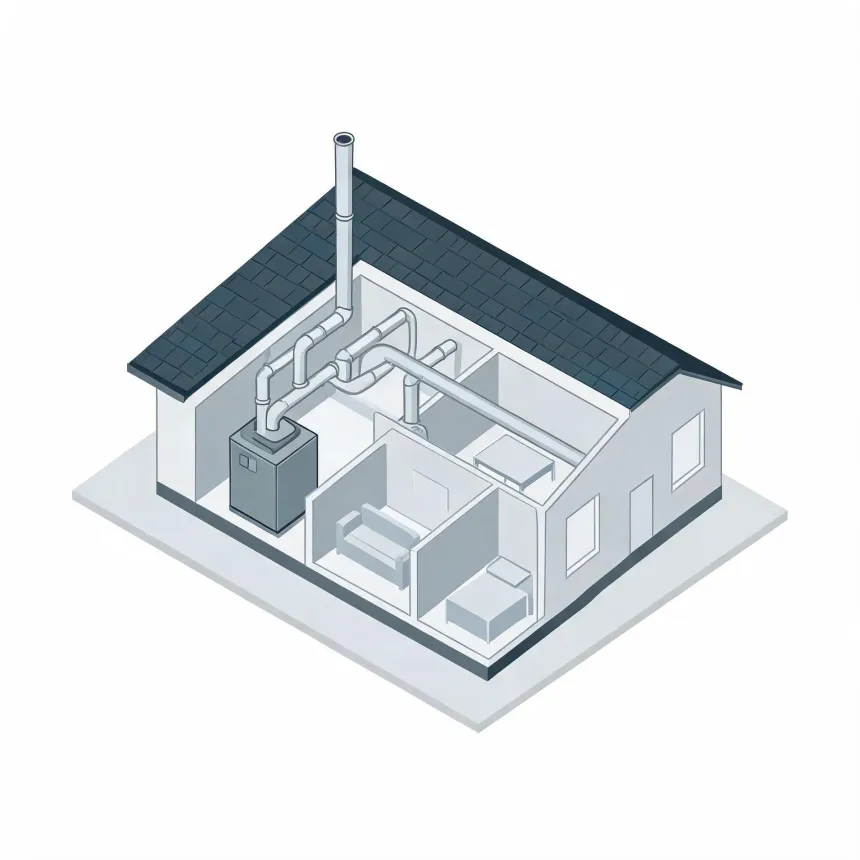
- A contractor removes the old equipment, sets the new furnace and air conditioner or heat pump in place, and connects it to your ducts, gas or electric line, and thermostat. After that, the system gets tested to make sure it is heating and cooling correctly and that the ducts are moving air the way they should. In most places, including here, this work needs a permit from the local building office, and the job gets inspected once it is done. A contractor pulling the permit can walk you through what that inspection covers for your house.