
Furnace Repair in Libby, MT
Furnaces here run from September through June. If yours quits, tell us what it's doing and a licensed contractor who covers Lincoln County will get in touch.
Tell us about the job
It takes about a minute.
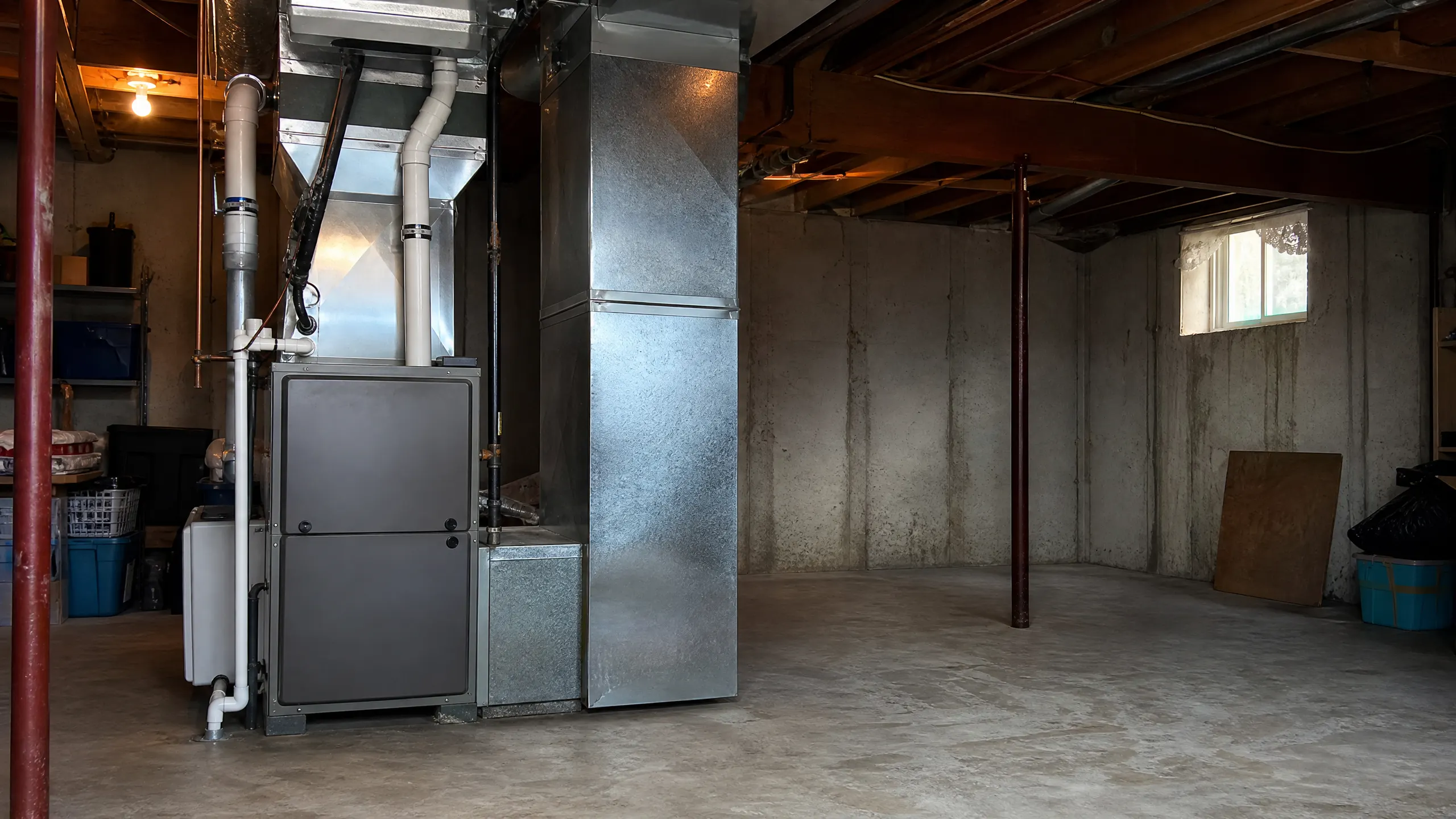
Ten months of heat, and winter nights near 19 degrees
In Libby, your furnace runs from September through June. That is ten months of the year the burner has to work, and on winter nights that average 19°F it runs long and often to keep up.
More than half the homes here heat with electricity, and when the power drops your furnace drops with it. It needs to come back on and relight without trouble once power returns. Lincoln County has logged 31 winter storms and 23 damaging wind events over the past ten years, and storms like that are what knock the power out or block a vent, either one shutting your furnace down until it is fixed.
- 10 months
- September through June, your furnace is on duty
- 19°F
- the average winter night it heats against
- 31 winter storms
- in ten years, the nights a failure hurts most
NOAA nClimDiv, 1991–2020 normals
Montana requires HVAC contractors to hold a state license.
The state tested this contractor and keeps a record of them before they can take on work like this. That license belongs to the contractor, not to any one job, so it carries over from the last furnace they worked on to yours.
Montana sets $2,500 as the line under which a licensed contractor isn't required. A furnace repair often falls under that number, but once the job crosses it, the license is what stands behind the work. Gas connections are the part worth getting right, since a poor one is what makes a furnace dangerous rather than just broken.
Source: Montana Legislature
- Why won't my furnace turn on?
- Most often it's the thermostat not calling for heat, a tripped breaker, or a safety switch that shut the furnace down on purpose. Check that the thermostat is set below room temperature and has power, then check the breaker panel. If the furnace still won't start, it may be locked out on a safety switch, and a contractor will need to find out why before resetting it. With winter lows here averaging 19°F, it's worth getting this looked at quickly rather than waiting.
- Why is my furnace blowing cold air?
- If air is moving but it's not warm, the furnace may be running its fan without the burners lighting. This can mean a bad igniter, a flame sensor that isn't sensing the flame, or a gas valve that isn't opening. It can also just be the blower running for a minute before the burners kick in, so give it a moment before assuming something's wrong. A dirty filter can also make the air feel cooler than it should, since it slows down the airflow across the heat exchanger.
- Why won't my furnace pilot light stay lit?
- A pilot that won't stay lit usually points to a bad thermocouple, the small sensor that tells the gas valve the flame is present. When it wears out or sits in a poor position, it can't confirm the flame and the gas valve shuts off to be safe. A draft blowing across the pilot or a dirty pilot orifice can cause the same thing. A standing pilot doesn't rely on electricity to burn, so this isn't a power problem, it's a parts problem, and a contractor can test the thermocouple and replace it if needed.