
HVAC Installation in Thompson Falls, MT
Tell us about the house, and a licensed contractor who covers Sanders County will get in touch.
Tell us about the job
It takes about a minute.
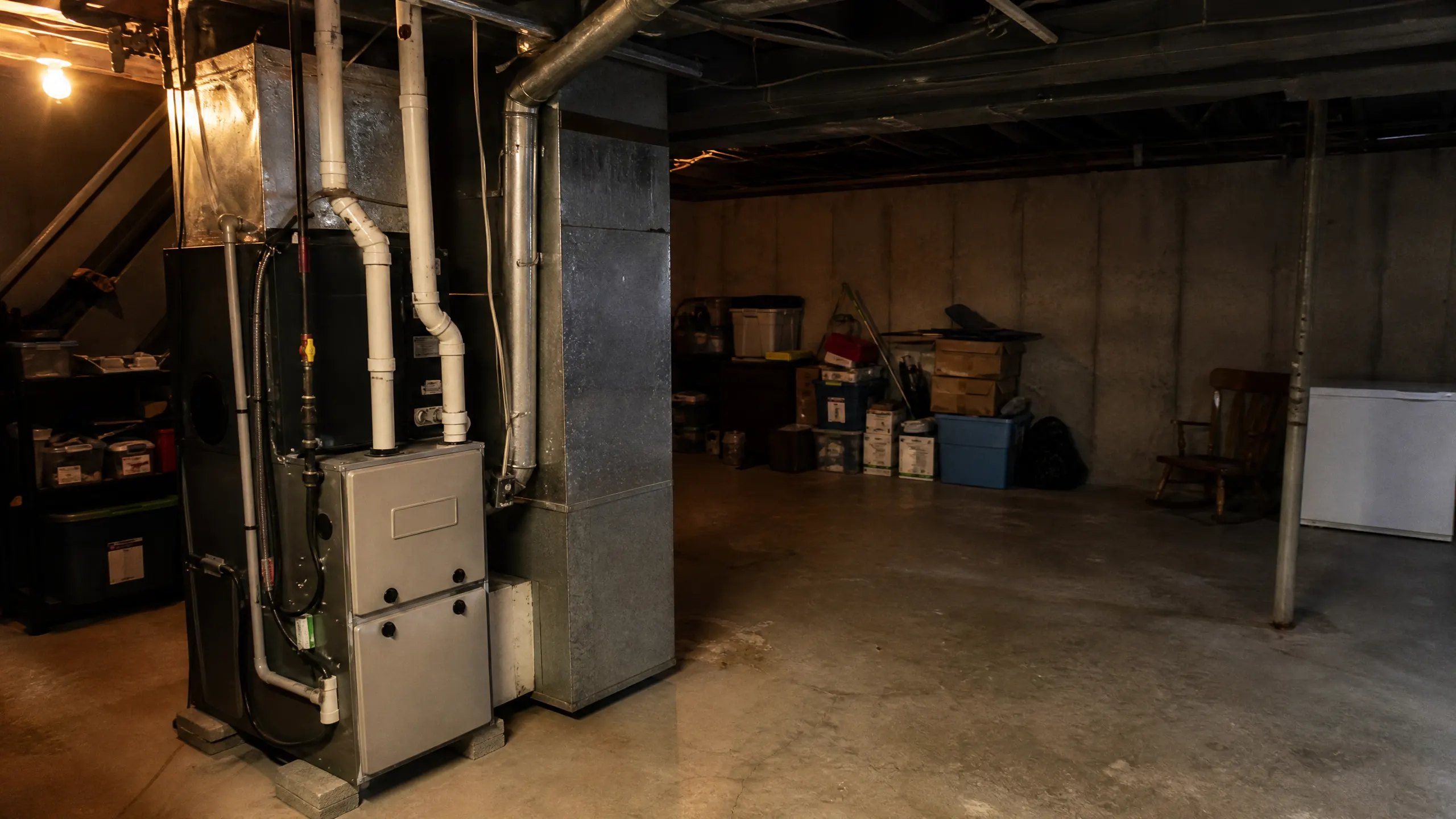
A new system here has to carry ten months of the year
Homes in Thompson Falls need heat from September through June, ten months of the year. Winter nights average 20°F from December through February, so a furnace has to be sized for that stretch of real cold, not just the deep winter weeks. Summer asks little in return, with afternoons averaging just 76°F.
More than a third of homes here heat with wood, which says something about how long and serious the cold runs. The area has logged 128 winter storms and 60 damaging wind events over the past ten years, and in 2024, 18% of Montana households lost power for at least a full day. A new furnace should be installed so it comes back on by itself once the power does.
- 10 months
- September through June, your system heats
- 20°F
- the average winter night it heats against
- 76°F
- the average summer afternoon it cools against
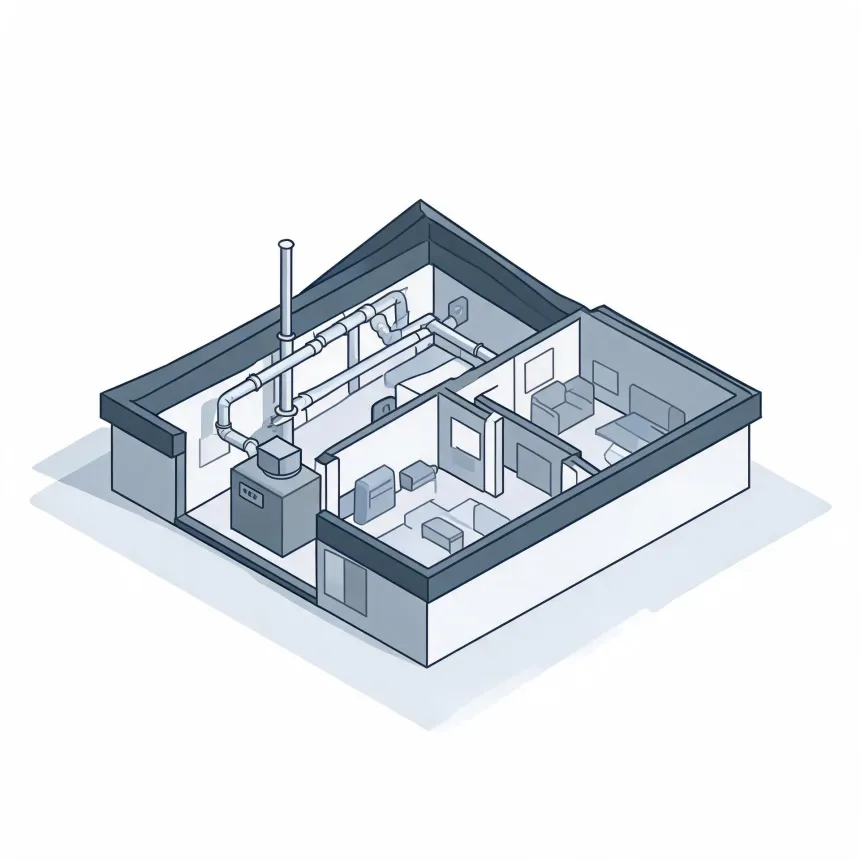
Montana requires HVAC contractors to hold a state license.
The state tests contractors before they get that license, and it keeps a record of who holds one. That record follows the contractor, not the job, so it does not expire when this installation is finished. Work under $2,500 falls outside the requirement, but a heating and cooling installation runs well past that line, so the contractor doing it has to be licensed.
The license tells you the contractor was tested and is on record with the state. It does not replace the permit this job needs. In most cities and counties here, installing a furnace, air conditioner or heat pump needs a permit from the local building office, and the finished work gets inspected once it is done.
Source: Montana Legislature
- When should I replace my HVAC system?
- Once repairs start happening every year, or the system can't keep the house warm through a Thompson Falls winter, it's time to replace it rather than fix it again. Age matters too. An old furnace works harder than it used to, and winter nights here average 20°F from December through February, so there's no room for it to fall short. If a contractor has to come back for the same problem more than once, that's your answer.
- Should I replace my furnace and air conditioner at the same time?
- If both are original to the house and close in age, yes, because a furnace and air conditioner installed together are matched to work as one system. Replacing one and keeping the old one can leave you with mismatched capacity, and that shows up as extra wear on whichever piece is newer. Homes here need heat from September through June, so the furnace does most of the work and deserves most of the attention when you're deciding what to replace.
- What happens during an HVAC installation?
- A contractor removes the old furnace and air conditioner, sets the new equipment, and connects it to the existing ductwork, gas line or electrical circuit, and the vent or flue. Once it's running, they check refrigerant charge, airflow, and that the thermostat is talking to the new system correctly. In most cities and counties this work needs a permit from the local building office, and an inspector checks it once it's done. A contractor can walk you through what your specific house will need before work starts.