
Dryer Vent Cleaning in Libby, MT
Tell us about your home, and a licensed contractor who covers Lincoln County will get in touch.
Tell us about the job
It takes about a minute.

Cold makes the lint stick
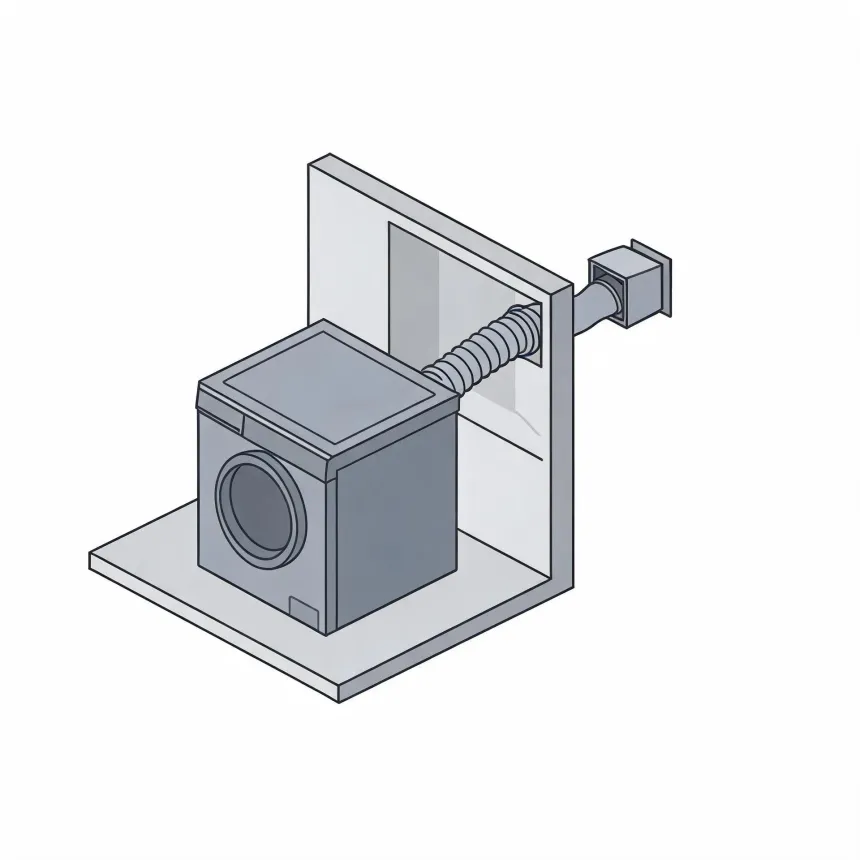
Your dryer pushes warm, damp air out through the vent. In Libby, winter nights average 19°F from December through February, and that vent runs through cold space most of the way to the wall or roof. The warm air cools fast once it hits that cold metal, and the moisture in it settles on the walls of the vent. Lint sticks to a damp surface far more than it does to a dry one.
Once lint packs into the vent, the dryer has to push air through a smaller opening. That means longer drying times, a dryer that runs hotter than it should, and a growing risk of the lint catching fire near the motor or the heating element.
- 19°F
- the average winter night, and cold vents catch damp lint
- 10 months
- September through June, the vent stays cold
NOAA nClimDiv, 1991–2020 normals
- How often should a dryer vent be cleaned?
- Once a year is the standard, more often if you dry a lot of loads or your vent run is long. Lint builds up along the inside of the duct even when the lint trap is clean, and it narrows the path air has to take to get outside. A bend in the run or a longer distance to the outside wall gives lint more places to catch, so those vents need attention sooner.
- Can I clean my dryer vent myself?
- You can clean the first few feet near the dryer yourself with a vent brush kit. What you can't reach is the rest of the run out to the wall or roof cap, especially if it bends or travels a long distance, and that's usually where the worst clogs sit. A contractor uses a brush and vacuum system built to clear the whole length and check that the vent hood flap opens freely on the outside.
- What are the signs of a clogged dryer vent?
- Clothes that take longer than usual to dry, or that come out hot to the touch but still damp, are the clearest sign. Others include a burning smell, the dryer running hotter than normal, or lint showing up around the door seal. If the outside vent hood barely puffs air while the dryer runs, that's air being held back by a clog somewhere in the line.