Air moving freely
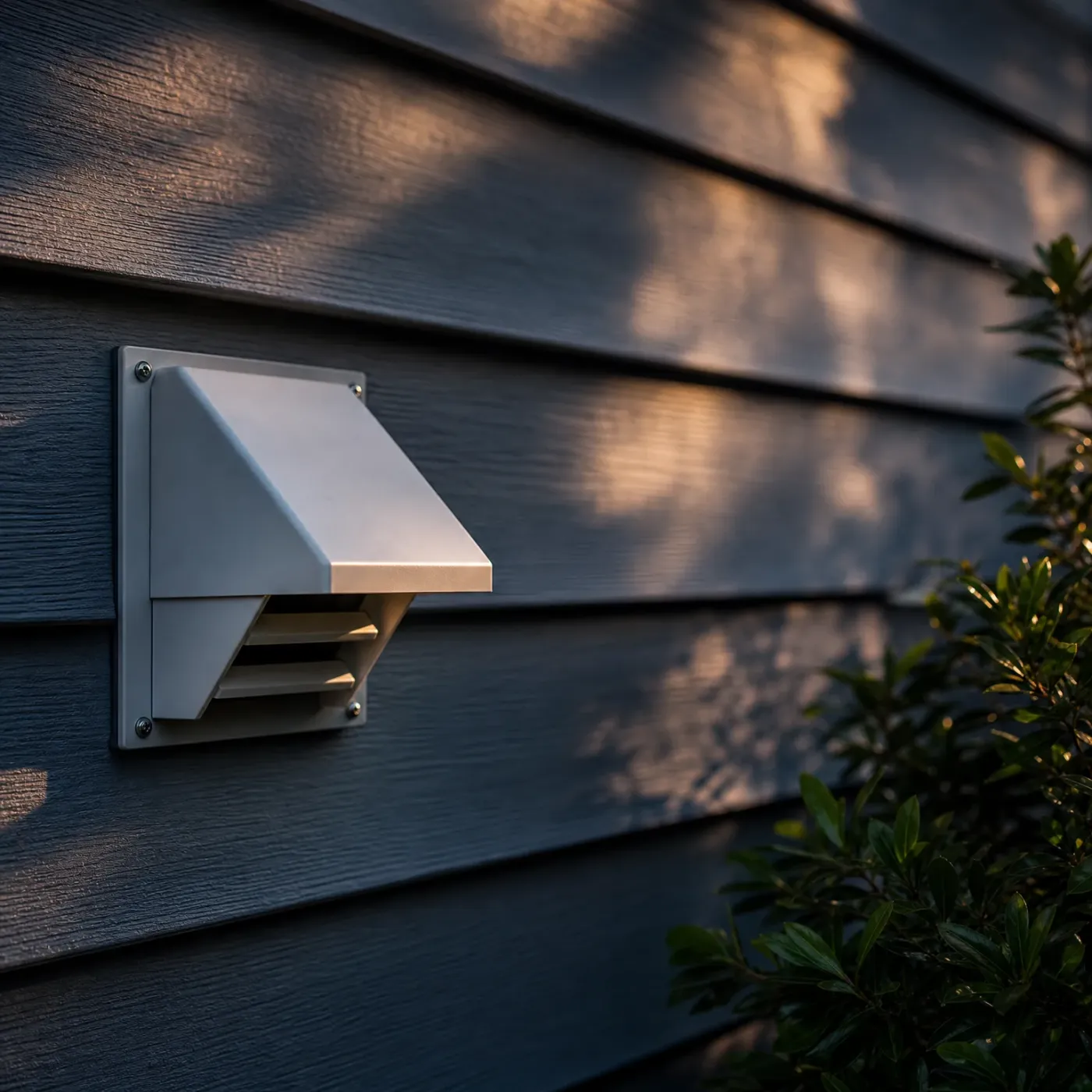
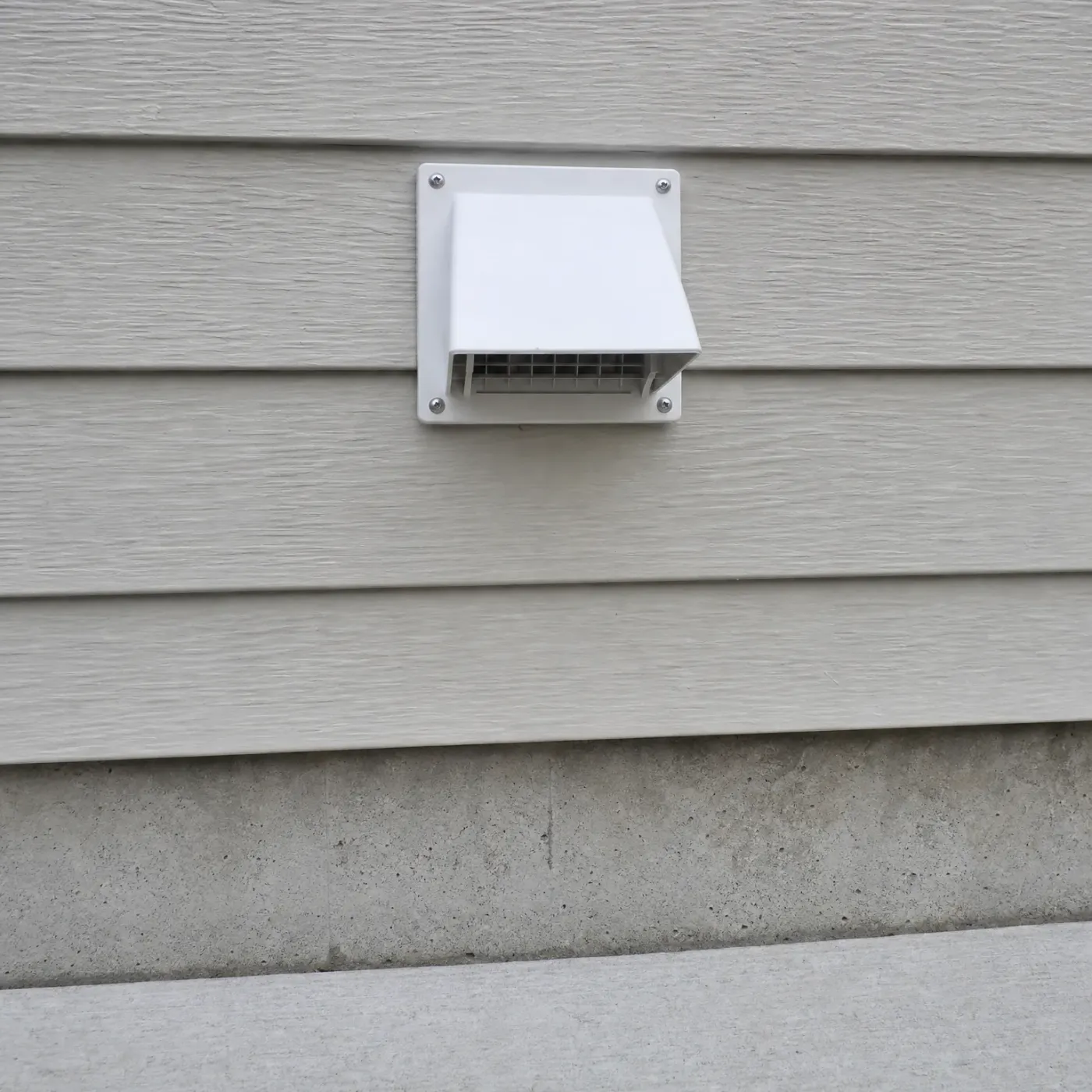
This is what a clear vent looks like from outside. The flap opens when the dryer runs and closes when it's off, and air pushes out strong enough to flutter it. A load of towels dries in one cycle, not two.
Get matched with a dryer vent pro in Gallatin County
You want to know how often that dryer vent needs cleaning out here in Bozeman, and whether once a year is enough with the lint a dry Montana summer can bake on. This page gets into what changes that answer for your house and your dryer. If you'd rather skip the research and get matched with someone who can look at it, the button below does that.
Connect with a proClean your dryer vent once a year. That's the baseline for a standard setup with a short, straight run to the outside. Lint builds up inside the duct every time you dry a load, and it doesn't go away on its own. Once a year keeps it from packing tight enough to slow the airflow your dryer needs to push heat and moisture outside. If your vent run is long, has turns in it, or your dryer sits far from an exterior wall, lint catches at every bend and the vent can need cleaning twice a year instead of once. The same goes for a household running loads most days of the week. Skip it too long and clothes take longer to dry, the outside hood flap may barely lift when the dryer runs, and the dryer itself works harder than it should, which is also how vent fires start.

This is what a clear vent looks like from outside. The flap opens when the dryer runs and closes when it's off, and air pushes out strong enough to flutter it. A load of towels dries in one cycle, not two.

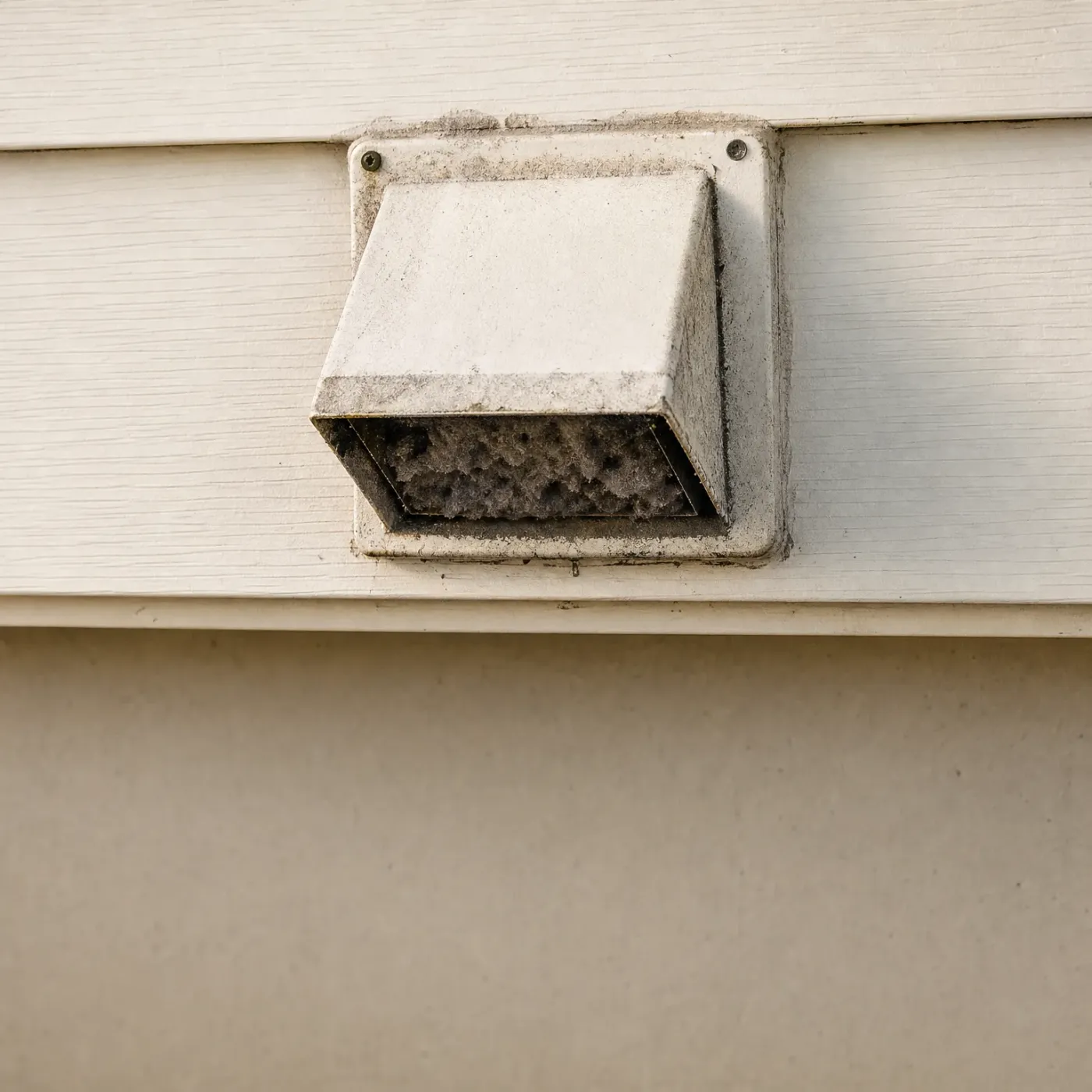
This is lint that built up until it reached the outside and still kept going. If you see fibers hanging off your hood like this, the duct behind it is worse. Clothes take longer to dry, the dryer runs hotter, and that's how vent fires start.

A gas dryer vents combustion byproducts along with hot, moist air, and a blocked vent forces that exhaust back into the line instead of outside. Most homes in the Bozeman area heat with gas, and plenty of those furnaces share a mechanical room with the dryer. If you have a gas dryer, check the vent more than once a year, since a weak draft from lint buildup gives the gas less room to clear out.

Lint collects fastest where the duct turns. A vent that runs straight out an exterior wall a few feet away clears easily. One that runs through an attic or turns twice before reaching outside gives lint more surfaces to catch on. If your duct run is long or has more than a couple of bends, plan on cleaning it more often than the once-a-year baseline, since those turns slow the air enough to let lint settle before it reaches the hood.
Some houses in the Bozeman area have the dryer tucked in a basement or mudroom far from an outside wall, and the duct has to run twenty or thirty feet, sometimes with a turn or two, to get there. You're wondering if that longer path needs more attention than the once-a-year rule the page already gave, since there's more duct for lint to settle in along the way.
A straight four-foot run to the outside wall and a thirty-foot run through the attic are not the same job. Lint settles wherever the airflow slows down, and every extra foot of duct, every elbow and turn, gives it another place to catch. A long run with a couple of bends can need cleaning twice a year to keep up with a short, straight one that only needs it once. If your dryer sits far from an outside wall, or the vent has to jog around framing to get there, treat that length as a reason to check it at the six-month mark rather than waiting for the next year to roll around.
2.33 people per household on average
The average household in Gallatin County runs 2.33 people. More people means more loads a week, and more loads means lint reaches the once-a-year mark faster.
Half the homes here were built by 1998
Half the homes in Gallatin County were built in 1998 or earlier. An older duct run is more likely to have the long metal routing that traps lint instead of the short rigid path newer builds favor.
Power here costs 13.59 cents per kilowatt-hour
Power here runs 13.59 cents per kilowatt-hour, cheap next to most of the country. That's not the cost driving this. A clogged vent still forces the dryer to run two cycles instead of one, no matter the rate.
ACS 2020-2024 · EIA-861 2025




Skip searching for someone who cleans dryer vents in Gallatin County.
There's no charge for the request.
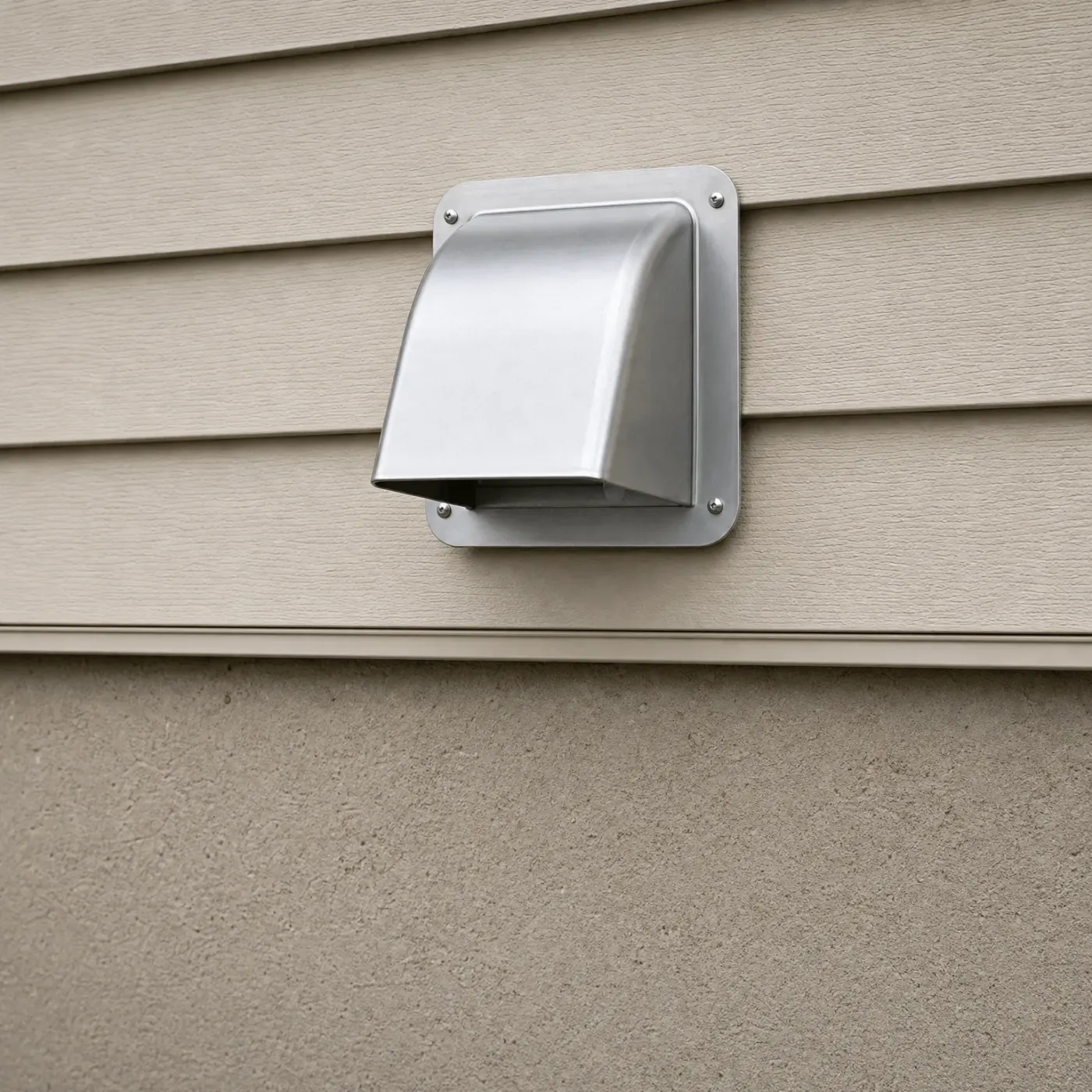
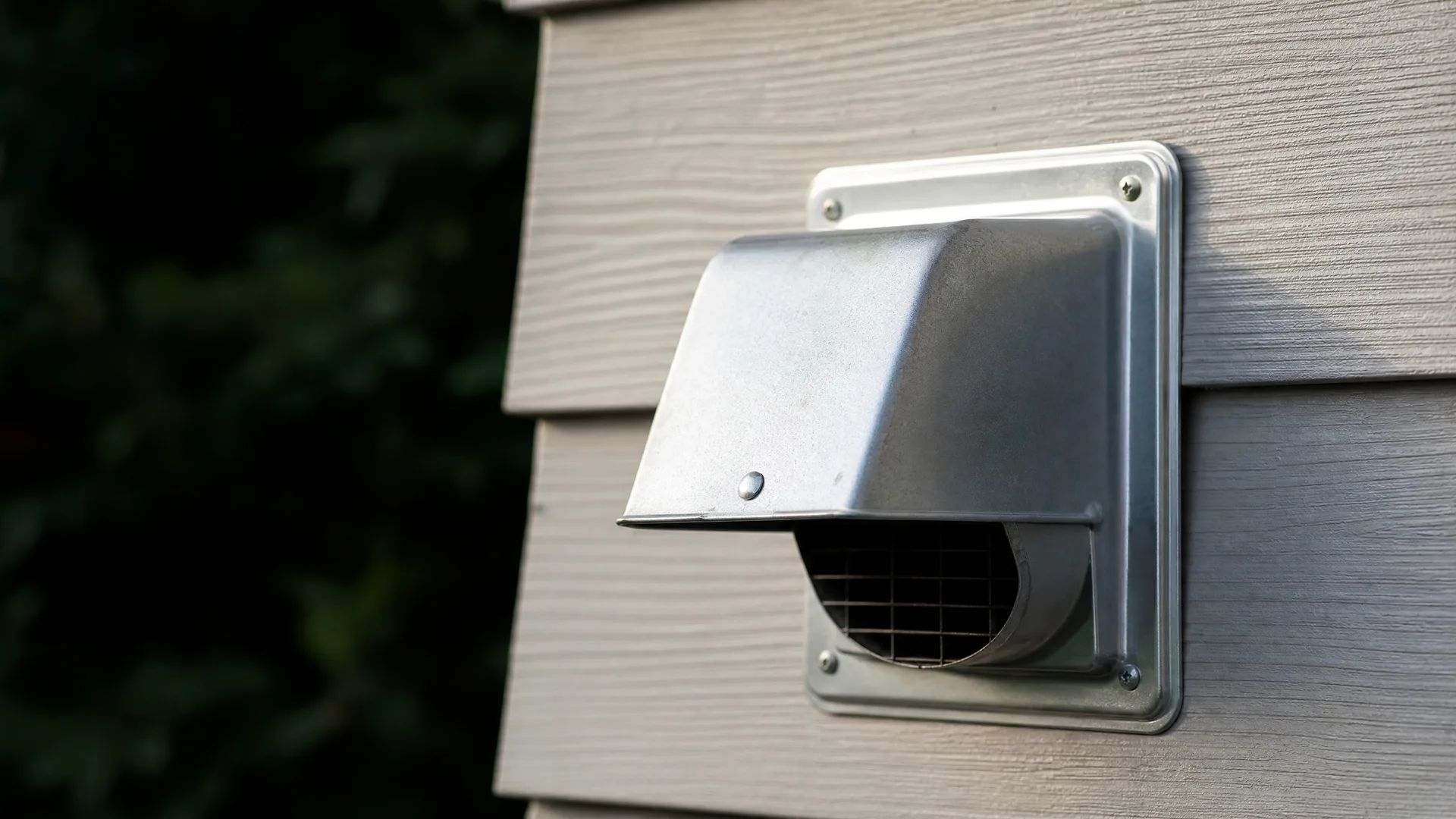
This hood sits flush against the siding, all four screws tight, and the opening behind it runs clear. Air from the dryer pushes straight out with nothing slowing it down. That's what you want to see when you walk outside and check it.
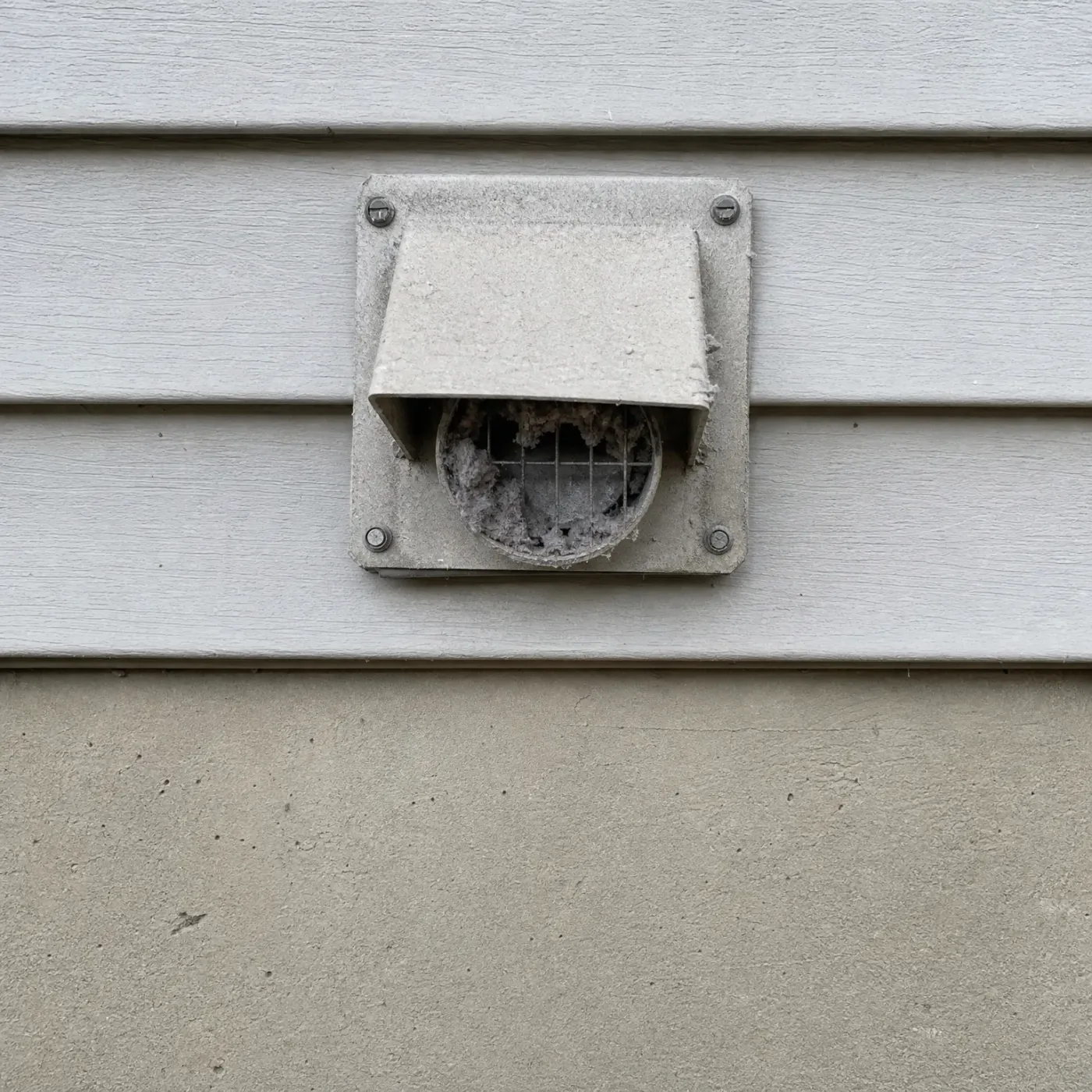
Someone added a screen over this hood, and lint has caked across it until barely any air gets through. Screens like this catch lint instead of letting it blow clear, and once one fills in, the dryer is pushing exhaust against a wall.
At 2.33 people, most Gallatin County households run a load or two most days, not a houseful every day. If your house sits near that average, the once-a-year clean is probably enough. A bigger household doing more laundry each week pushes lint past that mark sooner.
ACS 2020-2024
A dryer pulling against a blocked vent runs hotter than it should, and the heating element or burner works harder to push the same air through a tighter space. You'll notice a load that used to take forty minutes stretching past an hour, sometimes two cycles for towels that used to dry in one. The outside of the dryer or the door can feel hot to the touch. Some dryers shut off mid-cycle because an internal safety switch trips when the airflow drops too low. None of that means the dryer is failing. It usually means the vent behind it is doing less and less of its job, load after load, until the machine can't make up the difference anymore.
Lint caught in the duct is fuel, and a dryer vent fire starts exactly that way, inside the wall or at the outside hood where nobody sees it until it's burning. A gas dryer adds another risk: combustion exhaust that can't get outside pushes back into the house instead. Short of a fire, there's the slower cost. A dryer working against resistance pulls more power to do the same load, and that shows up on the bill a little at a time rather than all at once. None of this means a once-a-year clean has failed you. It means a vent that's gone two or three years without one is carrying more than it was built to.


You look up vent cleaners, call a few, explain the setup and the lint buildup each time, then sit with quotes trying to compare them yourself.
You answer a few questions once and a contractor who handles dryer vent cleaning in the Bozeman area reaches out to you directly.


Once a year is the number to work from if you live in or around Bozeman. A short, straight duct run and a household near the Gallatin County average of 2.33 people will likely hit that mark and no sooner. A longer run, a gas dryer, or more people running more loads moves that date up, sometimes by months. You don't have to guess which case you're in. Walk outside, run the dryer, and watch the hood flap. If it opens wide and air pushes out strong, you're probably fine for now. If it barely moves, or lint is thick against the siding, the vent behind it needs attention regardless of when it was last cleaned. A dryer running hotter than usual, or a load that takes two cycles instead of one, tells you the same thing from inside the house. None of this requires a tool or a technician to check. It just requires looking.
Once you know where you stand, the work left is finding someone to do the cleaning, and that's the part that eats an evening. Looking up vent cleaners, calling a few, explaining the duct run and the hood and the gas dryer to each one, then sitting with quotes trying to compare apples to apples. That's the work that disappears when you get matched with a contractor instead. You answer the questions once, and the explaining is done.
A pro who works on dryer vents
