Why is my dryer running hot but not drying my clothes?
You've felt the dryer door hot to the touch, maybe hotter than usual, but the load inside still comes out damp after a full cycle. It's tempting to think the heating element is working overtime, so the dryer must just need more time. Running it again and again isn't fixing it, and that's the part that doesn't add up.
A clogged vent is holding the heat in and the moisture with it
Heat alone doesn't dry clothes. Airflow carries the wet air out of the drum and out of the house, and when the vent is packed with lint, that air has nowhere to go. The dryer keeps heating, the drum feels hot, but the moist air just sits there and gets pulled back through the load. In Montana, summers run hot and dry, so a lot of homes don't think twice about a dryer that runs warm. That's exactly when a blocked vent is easiest to miss. A dryer vent that hasn't been cleaned will keep trapping that air no matter how long you run the cycle or how high the heat is set.
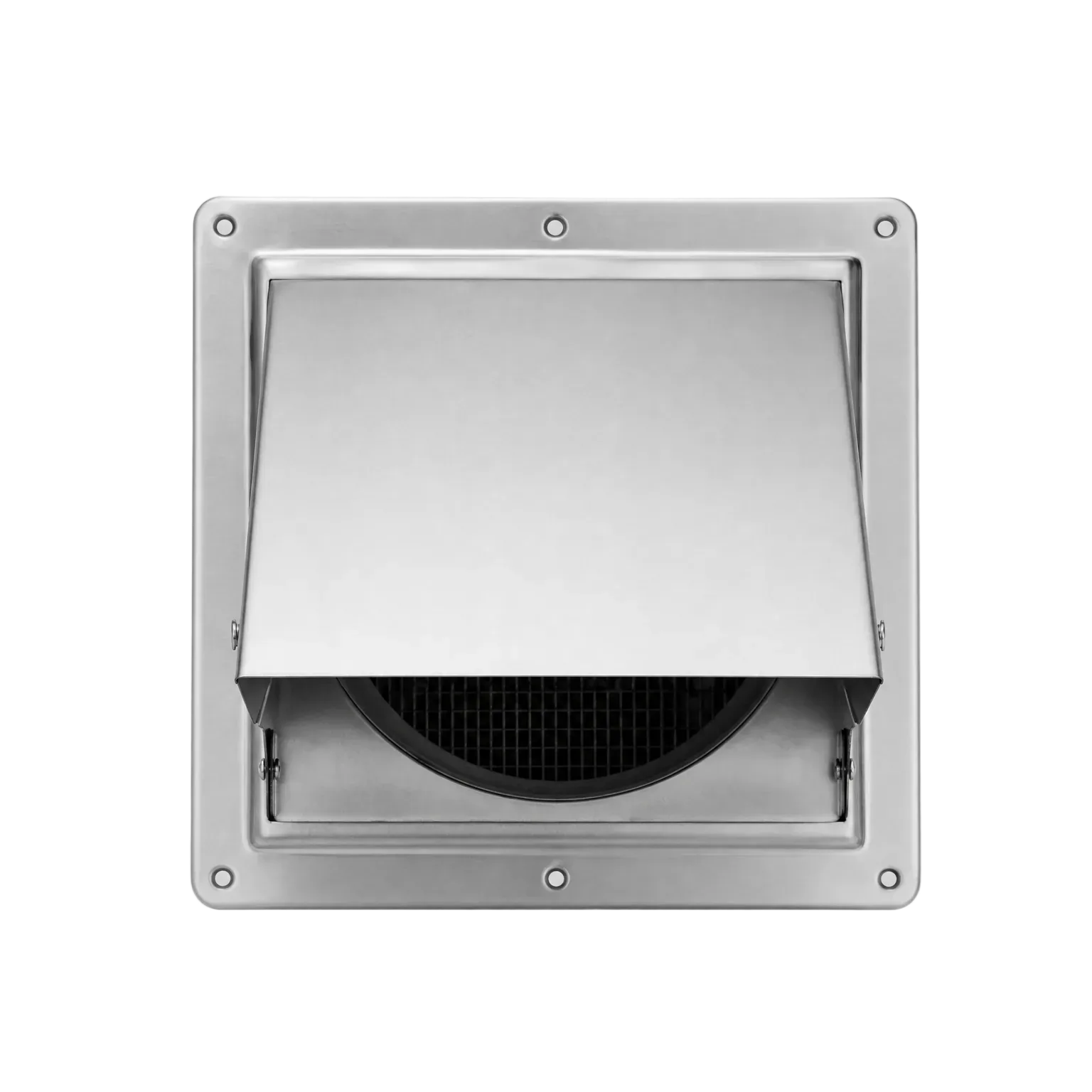
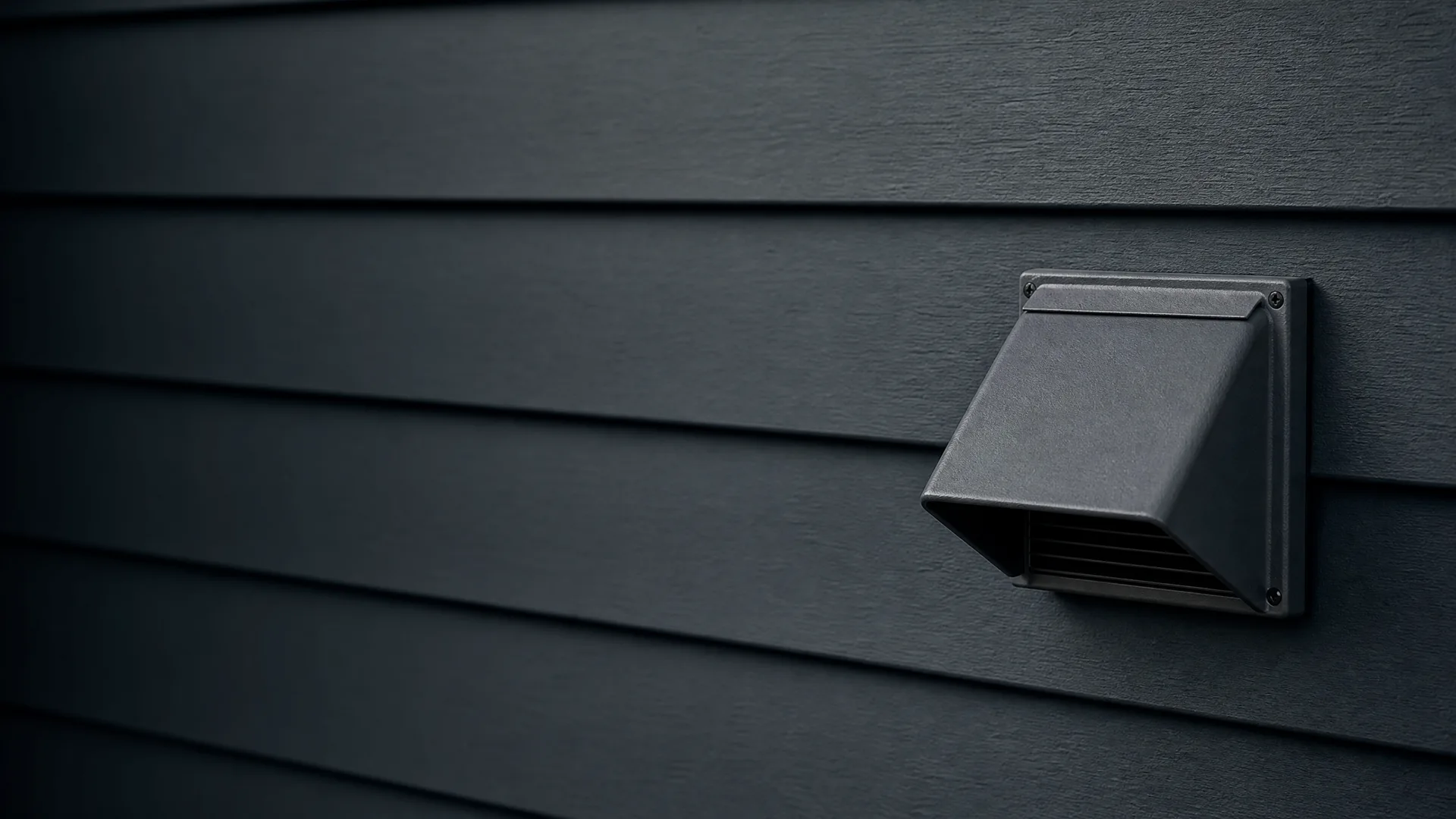
Flap opens, air moves
That mesh screen stays clear and the flap swings open when the dryer kicks on. Air pushes out in a steady stream, carrying the heat and moisture with it. A load finishes and the clothes come out dry, because the hot air actually had somewhere to go.
Lint has taken over
Those small square openings are packed with lint, and little air is getting through. The dryer still heats, but the moisture it's supposed to carry outside has nowhere to escape. That buildup is what a vent cleaning clears out, restoring the airflow your dryer needs to finish a load.
Clear It Yourself or Have It Cleaned
Clean the vent yourself
You can pull the dryer out, disconnect the duct, and vacuum out what's reachable from both ends.
A long brush gets you partway through a straight run, but most vents have at least one bend where lint collects out of reach.
If the vent runs through the attic or up through the roof, you likely can't see or reach the far end at all.
Without a way to check the full length, you won't know if the blockage is actually cleared or just pushed further in.
Doing it yourself costs you an afternoon and some tools, with no way to confirm the airflow is back to normal.
Have it cleaned
Someone who clears vents every week knows where lint actually builds up in Montana homes and checks those spots first.
The right equipment reaches the full length of the duct, including bends and roof runs a shop vac can't touch.
One licensed local contractor handles the job, so you're not fielding calls from three different companies for the same work.
A proper cleaning clears the whole run, not just the parts you can reach from the dryer or the outside hood.
You skip the search for who does this kind of work, the calls to ask if they service your area, and the back and forth comparing quotes.
Clearing the full vent restores airflow, which is what actually dries the clothes instead of just heating them.
What are you noticing with your dryer right now
The cycle ends and the clothes are still heavy and damp, even on a longer setting. The dryer itself feels hot, sometimes almost too hot to touch on the top or front panel. You might smell something warm or faintly burnt rather than clean laundry. A load that used to take one cycle now needs two or three. Check the lint trap and you may find it fills up fast, or the laundry room feels warmer and more humid than it should partway through a cycle. With gas heating most of the year in Montana, a dryer that has to run longer to do the same job pulls more from a vent that is probably restricted, and a blocked vent is how lint fires start.
1
Lint builds up inside the vent duct over time.
2
The narrowed duct blocks hot air from leaving the dryer.
3
Heat and moisture stay trapped inside the drum.
4
Clothes stay damp even after the full cycle ends.
Before you get your dryer vent cleaningAfter you get your dryer vent cleaning
You already know the vent is the problem. What's left is finding someone who'll actually clear it instead of running a brush through the first two feet and calling it done. That usually means searching around, calling a few places, explaining the hot dryer and the damp clothes each time, then weighing quotes against each other without knowing who's any good. One request here goes to a local contractor who works on vents like yours all year, through dry Montana summers when lint sits tight and through winters when a blocked vent backs heat into the house instead of outside. No other company calling you about the same job. You deal with one person who already knows what a packed duct in a gas dryer setup usually looks like, and you get back to drying clothes that actually come out dry.
What a full duct does to drying time
A dryer pushes a set volume of hot air through the duct every cycle. When lint narrows that path, the same motor has to force air through a smaller opening, so less of it gets through and what does get through moves slower. The drum still heats up on schedule, because the heating element runs on a timer or a thermostat separate from the airflow. That's why the dryer feels hot while the clothes stay wet. The heat is there. It just has nowhere to go, so it sits in the drum instead of leaving with the damp air the way it's supposed to.
Why Montana winters make this worse
Cold air holds less moisture than warm air, so when outside air near freezing meets the warm, wet air leaving your dryer, it condenses fast once it hits any cold metal. A duct that's partly blocked slows that air down even more, giving it more time to cool inside the vent before it ever reaches outside. The result is wet lint clumping against the duct walls, sometimes even a bit of ice near the outside hood on the coldest days. That buildup narrows the path further, so a vent that was sluggish in October can be nearly closed off by January.
A clear vent hood like this lets the flap swing open and close with every cycle, so heat and moisture actually leave the house.
A vent hood packed with lint like this holds the flap open and chokes the airflow, so the heat your dryer makes has nowhere to go.
Power costs 12.99 cents per kilowatt-hour statewide
At 12.99 cents a kilowatt-hour, running a dryer twice through a full cycle because the first one left everything damp costs you twice. A clogged vent doesn't just waste time, it makes your dryer pull more power to push air through a narrower opening, cycle after cycle.
EIA-861 2025 statewide residential average
A hot dryer and a damp load mean the vent, not the machine
Your dryer is doing its job. The element is heating, the drum is turning, and none of that fixes a duct that can't carry the air back out. Until the vent is clear, heat and moisture stay in the drum, and the clothes stay damp no matter how long you run it or how hot it gets.
Clearing it out isn't a job for a shop vac and a few feet of reach. You'd be calling around Montana to find someone who'll actually run a line through every bend in the duct, explaining the same hot-dryer, damp-clothes problem each time, then weighing quotes against each other with no way to know who actually finished the job last time. One licensed local contractor, matched to you directly, skips all of that. They've seen this same vent problem across a lot of Montana homes and know where the lint sits and what it takes to get it out.