
How often to clean air ducts in Montana

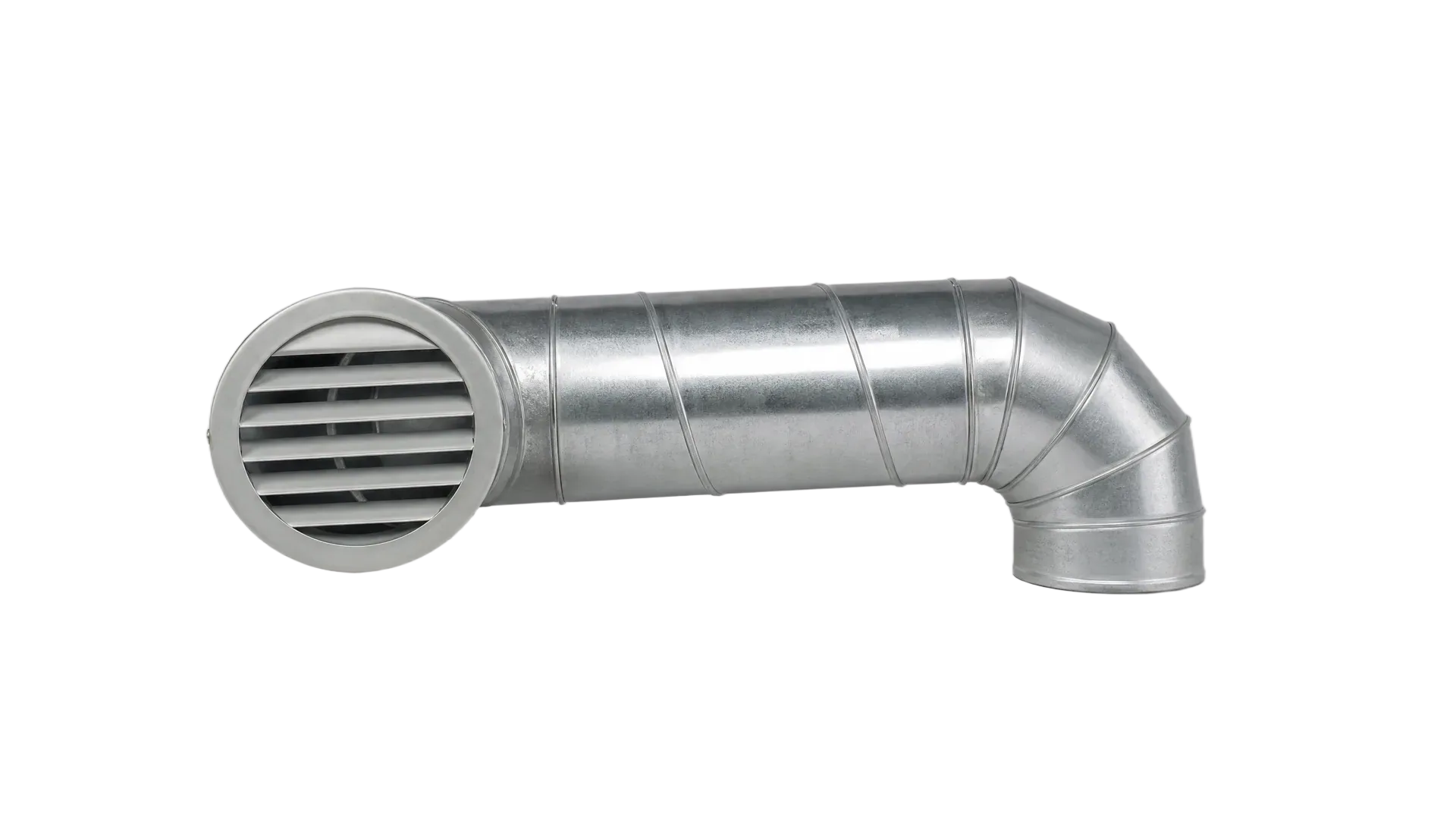
A galvanized steel round duct section with a 90-degree elbow at one end and a louvered vent grille at the other, photographed against a plain gray background.
Find a duct system pro

How often should I get my air ducts cleaned in Montana?

You're not sure if duct cleaning is one of those things that's easy to let slide, or something your house actually needs on a schedule. Montana's dry summers and the long gas-heat stretch through winter both push a lot of air through the same ducts, and you want to know if that adds up to more buildup than a house somewhere else might see, or whether the usual advice applies here too.

Every 3 to 5 years, unless something changes that sooner

Most homes do fine with duct cleaning every 3 to 5 years. Dust and pet hair settle in the ductwork slowly, and it takes a few years of normal furnace and AC use to build up enough to matter. Montana's dry summer air carries more dust into the house than a humid climate would, and with gas heat running for much of the winter, air moves through those ducts almost year round. That doesn't mean cleaning more often by default, but it's a reason to check sooner if you notice dust around the vents or a musty smell when the furnace kicks on. A house with pets or someone with allergies may need it closer to the 3 year mark instead of the 5.

A basement with a gray furnace on a concrete pad connected to large sheet-metal ducts running along an exposed wood joist ceiling, with PVC pipes and plastic sheeting on the walls.

Ducts running clean

Air moves through the plenum and out to each room without much resistance. Registers blow at full strength, the furnace doesn't labor to push air through, and dust settling on furniture stays light between normal cleanings. This is what a system looks like when it's due for a routine check, not a problem.


Galvanized sheet metal HVAC ductwork with a vent grille running along a wooden joist ceiling above a bare concrete wall.

Ducts needing attention

Dust has built up along the duct walls and around the register, enough that it's started shedding back into the room instead of staying put. Airflow out of that vent runs weaker than the others on the same line. Montana's dry summer air carries fine dust easily, and it collects fastest in runs like this one.

Clean on a Schedule or Wait for Signs

Clean on a schedule

  • You get ahead of the dust that Montana's dry summers pull through gaps in the return side, before it builds up in the trunk line.
  • A contractor who cleans ducts locally knows which neighborhoods have older duct runs that collect more debris and plans around it.
  • Scheduling keeps the job on your terms, not a reaction to something you noticed in a vent or smelled from a register.
  • With gas heat running for months, a cleaner duct system means the furnace isn't pushing air through a line coated in dust and pet hair.
  • You can time the cleaning for spring or fall, between the dry summer and the heating months, when a crew has more flexibility.

Wait until something shows

  • You save a service call until there's a reason, like dust around the registers or a musty smell when the furnace kicks on.
  • A local contractor can look at what's actually in your ducts and tell you if it's light buildup or something that needs attention now.
  • Waiting means you're reacting to a sign, such as rooms that seem dustier than others or weaker airflow at certain vents.
  • If nobody's used the attic or crawlspace where ducts run, you might not know there's a problem until it's visible in the house.
  • Skipping a schedule risks letting buildup sit through a full Montana winter of gas heat before anyone looks at it.
Unfinished basement with galvanized sheet-metal rectangular and round ductwork running along a wood-joist ceiling, two steel support columns, a small window, and a furnace unit against the far right wall.

What a clear duct run looks like

The metal trunk lines and the flex runs both carry full airflow to every branch. The furnace draws return air through the joist bays without strain, and each duct keeps its own round or rectangular shape, nothing pinched, nothing packed with dust at the seams.

An unfinished basement with bare concrete walls and floor, showing exposed wooden floor joists, pipes, wiring, and metal HVAC ducts with a vent grille overhead.

What built-up ducts look like

Dust collects where the rectangular plenum meets the round branch ducts, right at the joints between the joists. Over a few winters of gas heat, that buildup narrows the duct from the inside, and the furnace has to push harder to move the same air through it.

An older man with gray hair, a dark coat and scarf dusted with snow stands in a warmly lit entryway with an open wooden door, a table lamp, framed pictures, and a plant in a vase.
An older man with gray hair and a beard wearing a dark snow-dusted coat stands in a home entryway, with a lamp-lit living room and a wooden staircase behind him.
An older man with gray hair and a beard, wearing a dark snow-dusted coat, stands in a warmly lit home entryway with a hallway, console table with lamp, patterned rug, and living room visible behind him.
A gray-haired bearded man in a dark snow-dusted coat and scarf stands inside a dimly lit home entryway, with a hallway, framed picture, lit table lamp and staircase behind him.

Get the right pro for your ductwork

A furnace that runs from October through April moves a lot of dry Montana air through that ductwork before spring even gets started, and dust travels with it. You can see the registers and feel whether airflow is weak, but you can't see what's sitting inside the trunk line or packed into the joist bays where the returns pull from. That's the part a schedule is for. A contractor working duct systems around your part of Montana every season has a sense of which runs clog faster, older metal trunk versus flex duct, and what a long heating season does to either one over the years. Getting matched with one contractor, someone local who actually handles this equipment and not a handful of companies competing for your callback, means whoever shows up already has a read on what your system's been through. If your ducts haven't been looked at in a while, that's worth finding out now rather than guessing through another heating season.

A furnace that runs direct-drive, like most do, has no belt to wear out, so weak airflow at the registers almost always traces back to the duct run itself or the filter, not a part slipping.

That's why a contractor opens the trunk line before touching anything else. What they find there, not a guess about your furnace's age, is what decides whether a cleaning now or a wait until next year makes sense.

Basement ceiling with galvanized sheet metal rectangular ducts and round pipes running between wooden joists above a bare concrete wall and floor.
Before you get your ductwork cleaning
Unfinished basement with bare concrete walls and floor, showing exposed wood floor joists overhead with sheet-metal rectangular ductwork, insulated flexible ducts, and pipes.
After you get your ductwork cleaning

What a dusty duct run costs you

A gas furnace pulling return air through a duct run that's coated with dust has to work harder to push the same air out the other end. You'll notice it first at the registers farthest from the furnace, where airflow feels thinner than it does in the rooms closer by. Dust that's been sitting in the trunk line gets stirred up every time the blower kicks on, and it settles back onto counters and shelves faster than it should between normal cleanings. None of that is dramatic on its own. But it adds up over a winter that runs October through April, and it shows up as uneven heat room to room long before anything actually fails.

What it means for your house

Montana's dry summers pull a lot of fine dust through any gap on the return side, and that dust rides into the ductwork long before the furnace ever turns on for the season. By the time heat season starts, it's already sitting in the trunk line waiting to move. A house with pets or anyone sensitive to dust will notice it in the air first, often before airflow drops enough to feel it at the vents. Skipping a cleaning for a year or two usually just means more buildup, not damage. But a duct run that never gets cleaned keeps feeding dust back into the same rooms you're trying to keep clean.

Power costs 12.99 cents per kilowatt-hour statewide

At 12.99 cents a kilowatt-hour, running the furnace blower longer than it needs to doesn't hit your bill the way it would elsewhere. A clogged duct run still makes the blower work harder, but the real cost here shows up as weaker heat at the far registers, not a spike on the power bill.

EIA-861 2025 statewide residential average

So, How Often Here

  • Most Montana homes do fine getting ducts cleaned every three to five years, not on a strict yearly schedule.
  • A long gas heating season from October through April is the main reason dust builds up in the trunk line here.
  • Weak airflow at the far registers is usually the first sign the duct run needs attention, not the furnace itself.
  • Dry summers pull dust through gaps on the return side, which settles in the ductwork year round, not just in winter.
  • A local contractor who works on this equipment every season can tell you if your duct run is due or can wait.
  • There's no set rule that fits every house, so checking your actual airflow matters more than following a fixed number of years.

Three to five years covers most houses in Montana. That range exists because two things push dust into the duct run at the same time. Winter here runs long, October through April, and a gas furnace moves air through that ductwork the whole stretch. Summer adds its own share, pulling dry dust in through gaps on the return side even when the furnace isn't running. Together they load the trunk line steadily, year round, not just during the months the heat is on.

The number isn't the real test, though. Airflow is. If the registers farthest from the furnace feel weak, that's usually the duct run telling you it's due, regardless of how many years it's been. A furnace working harder to push air through a clogged trunk line will show it there first, before anything else changes. Some houses hit five years with still-strong airflow and can wait. Others show signs at three.

That's the kind of judgment call worth handing to someone who looks at duct runs like yours all season, not just once. A local contractor who works on this equipment year round has seen which setups collect dust fast and which hold up, and can tell you honestly whether your system is due now or fine for another year. You'd hear from one contractor, matched to your situation, not a handful of companies competing for the call.

A woman wrapped in a thick wool blanket sits in an armchair with an open book on her lap, beside a lit lamp and a frost-patterned window.
A woman in a cream knit sweater sits in an armchair with her eyes closed near a window showing yellow autumn foliage, with a mug on a round wooden side table beside her.

Ductwork Cleaning

A pro who works on ducts

The pro who reaches out is licensed in Montana.

A black smartphone standing upright against a plain light gray background, its screen filled with solid green.
Duct and vent cleaningDucts or ventsMontana
Step 1 of 2

What ZIP code is the job in?









