





Signs of a clogged dryer vent in Billings, MT

Skip calling around

A dryer that runs long, clothes that come out hot instead of dry, a laundry room warmer than the rest of the house. You noticed something, and now you're trying to figure out if it's serious or if it can wait. Yellowstone County summers are hot and dry, winters are hard, and either way a blocked vent makes your dryer work against itself all year. Finding someone to look at it usually means searching, calling a few places, explaining the same thing twice, then sitting with quotes trying to guess who's worth it. You can skip that. Tell us what you're seeing and you're matched with one local contractor, licensed, who deals with vents like yours every season and knows what usually causes it. No list of companies calling you back, no repeating the story. One contractor, your situation, straight to the point.

What are the signs of a clogged dryer vent?

Your dryer has been taking longer than it used to, or the clothes come out hot but still damp, and you're trying to work out if that's normal wear or something building up in the vent. Maybe you felt the outside vent hood and nothing much came out, or you noticed the laundry room getting warmer than it should. You want to know what to actually look for before you decide whether this is worth dealing with now or later.

A dryer that runs two cycles to dry one load, clothes that are hot but not dry, and a vent hood outside that barely moves when the dryer is on

A clogged vent happens because lint builds up along the duct, not just in the trap, and air can't push through fast enough to carry moisture out of the house. You'll notice the dryer taking longer than it used to, sometimes needing a second cycle to finish a load that used to come out dry in one. The clothes themselves run hot to the touch but still feel damp. Check the outside vent hood while the dryer runs: with a clear vent, you should feel air pushing out and see the flap move. If it barely stirs, the duct is restricted somewhere between the dryer and the hood. A laundry room that gets noticeably warmer than the rest of the house, or a burning smell, both point the same way.

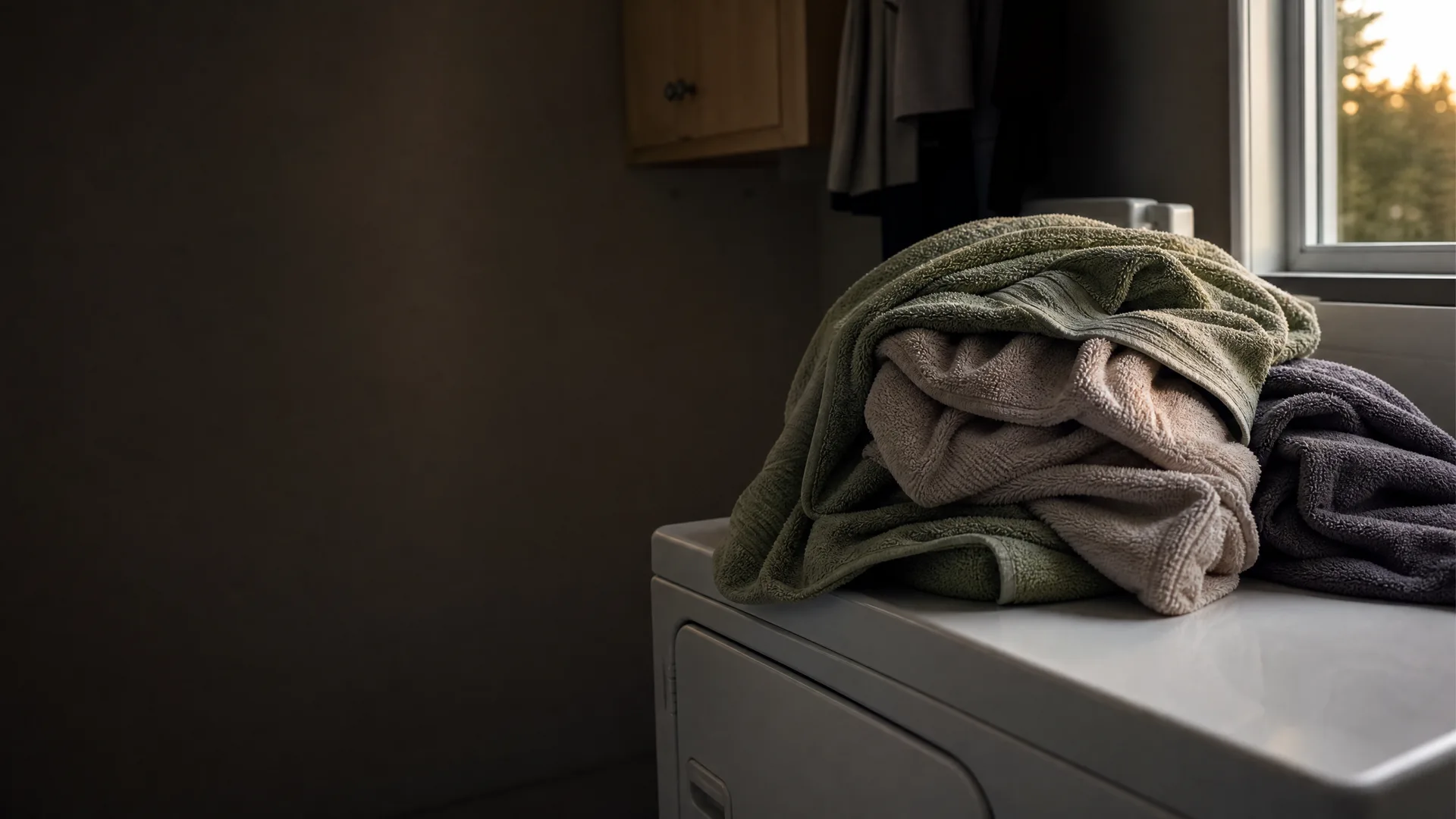
A pile of folded green, beige, and gray towels sits on top of a white washer or dryer in a dim room beside a window with trees outside.

It's almost nine on a Tuesday and you're still in the laundry room. You've run the towels twice now and they're still damp, piled warm on top of the dryer while the machine ticks as it cools. The room's been warmer than the rest of the house all evening, and you noticed it again tonight, that faint hot smell under the detergent. Outside, Yellowstone County has gone quiet and dark, the kind of dry summer night where the house holds heat. You press a hand against the towels. Still damp. You think about running them a third time, or just hanging them over the chairs to finish on their own.

Clear The Vent Or Keep Going

Clean the vent now

  • A contractor clears the lint from the duct and the hood flap outside, and the dryer goes back to drying a full load in one cycle.
  • Airflow problems caused by a clogged vent, slow drying, hot clothes, heat in the laundry room, stop once the duct is clear.
  • Clearing the duct now means it won't be packed tight and brittle by the time you'd otherwise get around to it in Billings' dry summer air.
  • A lint-choked vent is a known cause of dryer fires, and clearing it removes that risk rather than just working around it.
  • Cleaning costs you one visit instead of a dryer repair bill if the heating element or thermal fuse fails from trapped heat.

Keep running it as is

  • The dryer still turns on and still finishes a cycle, even if it takes two passes instead of one.
  • Every extra cycle the clogged vent forces runs the heating element and motor longer than they're built to run per load.
  • Lint keeps building in the duct, so the drying time that's already longer than it should be keeps stretching.
  • A dryer working against a blocked vent runs hotter than it's designed to, which wears the thermal fuse and heating element faster.
  • The risk of lint catching fire near a heat source doesn't go away on its own, it sits there every time you run a load.
A woman in a beige V-neck sweater laughs while seated at a white marble counter with a glass of white wine, with a living room containing a gray sectional sofa, lamp, and dark windows behind her.
A woman with long dark hair in a cream sweater laughs while seated at a light stone counter with a glass of red wine, with a blurred dining table and living room behind her.
A woman in a dark green sweater laughs while seated at a marble kitchen island with a glass of red wine, with open shelving, cabinets and a living room visible behind her.
A smiling woman with dark shoulder-length hair in a cream V-neck sweater sits at a marble counter with a glass of red wine, with a kitchen and softly lit living room behind her.

How much is actually running through your dryer vent?

  • 2.37 people per household on average

    With 2.37 people in the average Yellowstone County household, most dryers here run several loads a week, and every load pushes more lint through a vent that's already slow to clear.

  • Half the homes here were built by 1982

    Half the homes in the county were built in 1982 or earlier, and the vent run in a house that age is more likely original, with more joints and distance for lint to catch on before it reaches outside.

  • Power here costs 14.42 cents per kilowatt-hour

    At 14.42 cents per kilowatt-hour, a dryer working harder to push air through a clogged vent shows up on the bill before it shows up as a repair.

ACS 2020-2024 · EIA-861 2025

  1. Lint builds up along the inside walls of the vent duct

  2. Airflow slows, so the drum has to run hotter and longer

  3. Moist air stops venting outside and backs up into the line

  4. Heat and lint collect near the vent hood flap outside

Is your dryer vent actually clogged, or just slow

Walk out to the vent hood on the outside of your house and look at the flap. If it barely lifts when the dryer's running, or doesn't open all the way, air isn't getting through like it should. Inside, check the lint trap screen after a cycle. If it feels coated even right after you cleaned it, lint is building up further down the line where you can't reach it. You might also notice the outside of the dryer gets hot to the touch, or you smell something warm and a little burnt partway through a cycle. Left alone, a blocked vent makes the dryer run hotter and longer than it's built for, and that heat has nowhere to go but back into your laundry room and the machine itself.

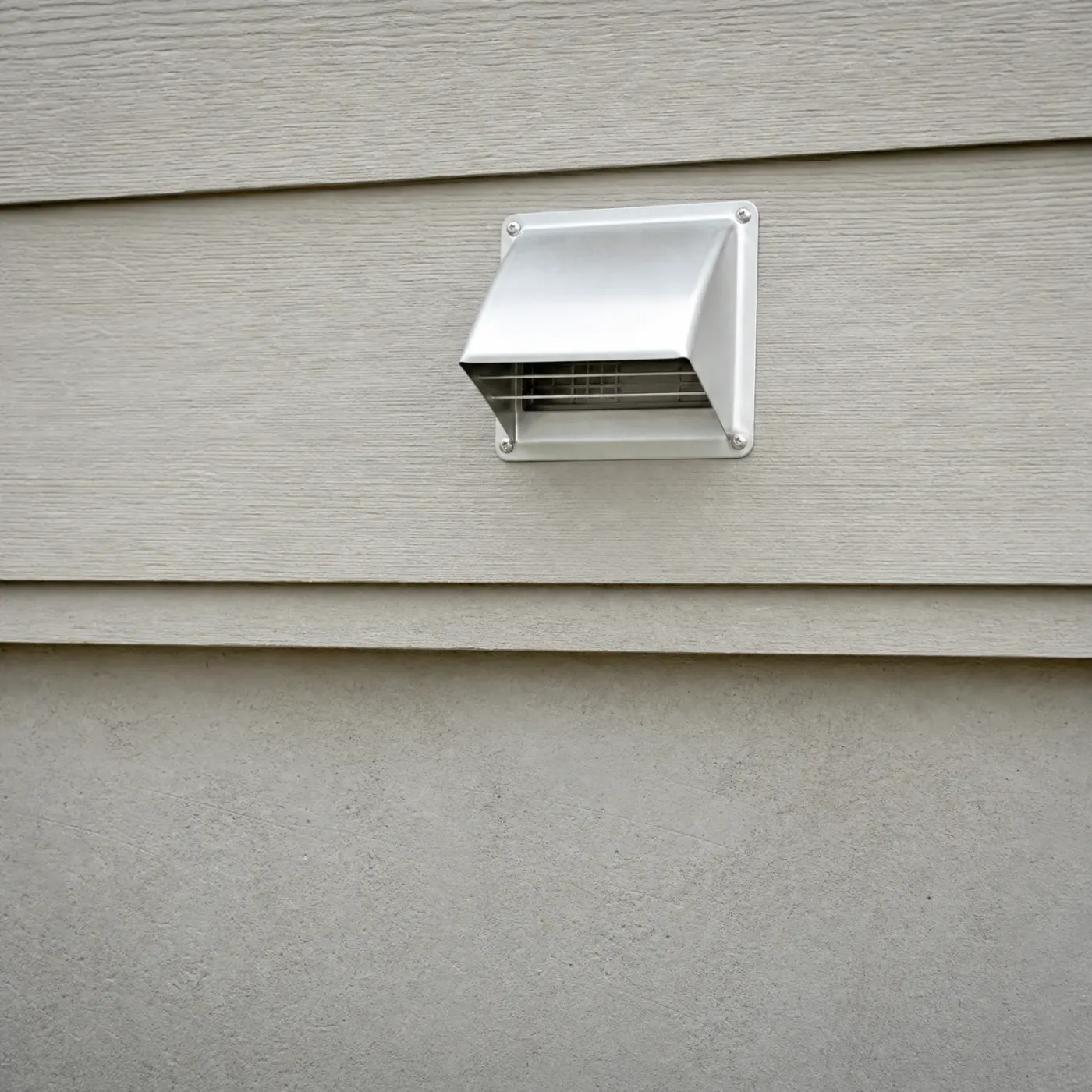
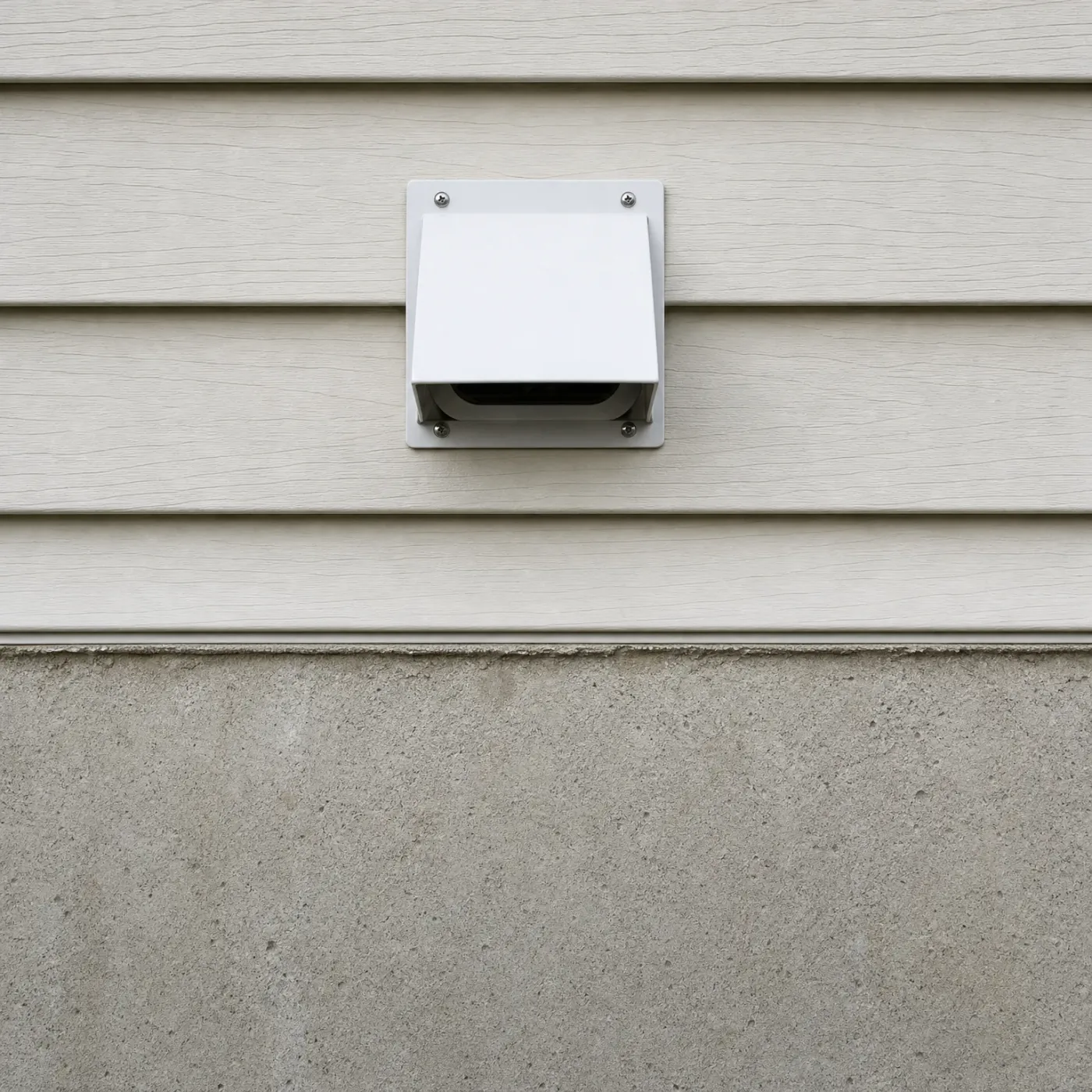
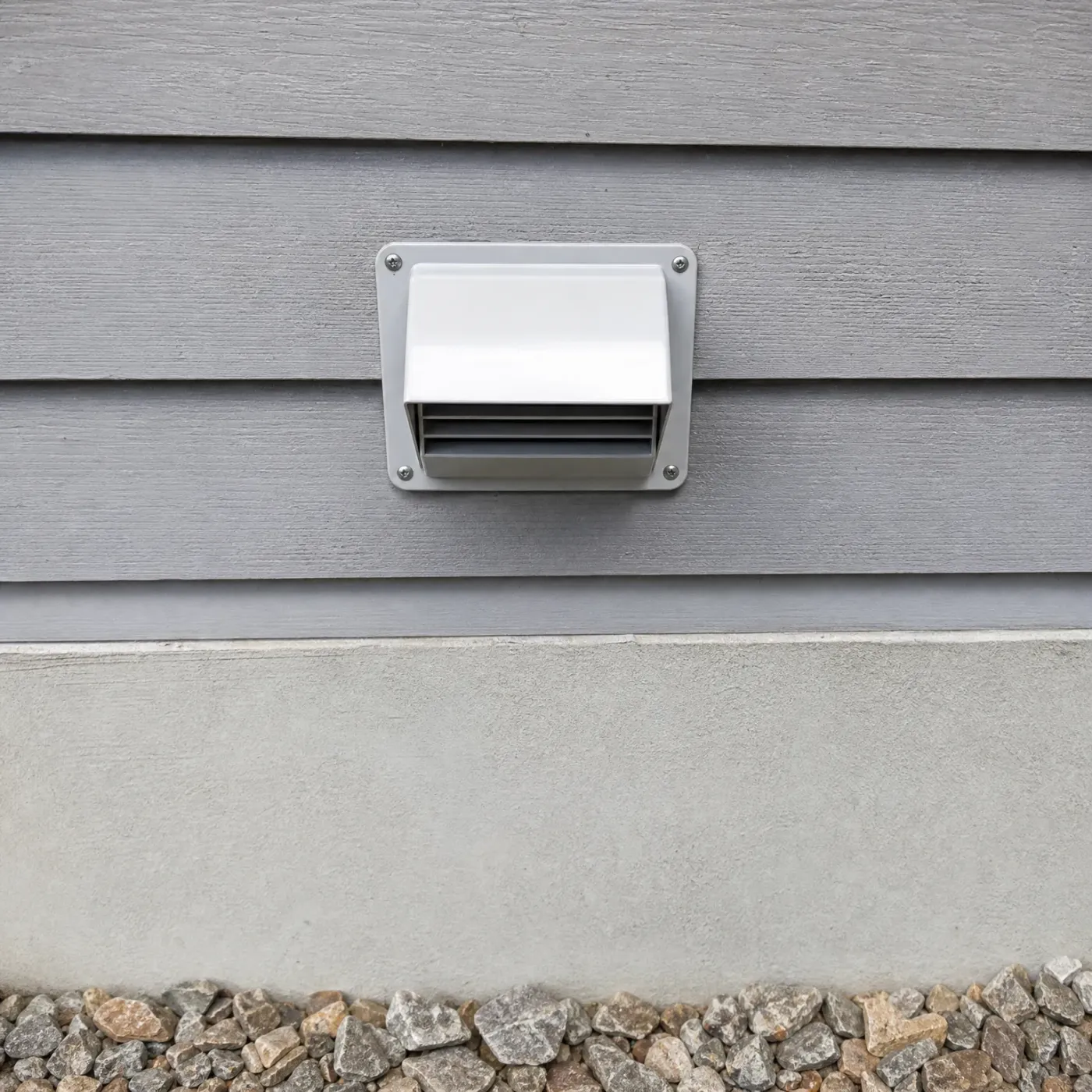
A white hooded dryer vent with a square mounting plate fastened to beige horizontal lap siding above a concrete foundation wall.
The flap opens wide and the vent cap stays clean, because air moving at full strength doesn't give lint a place to settle.
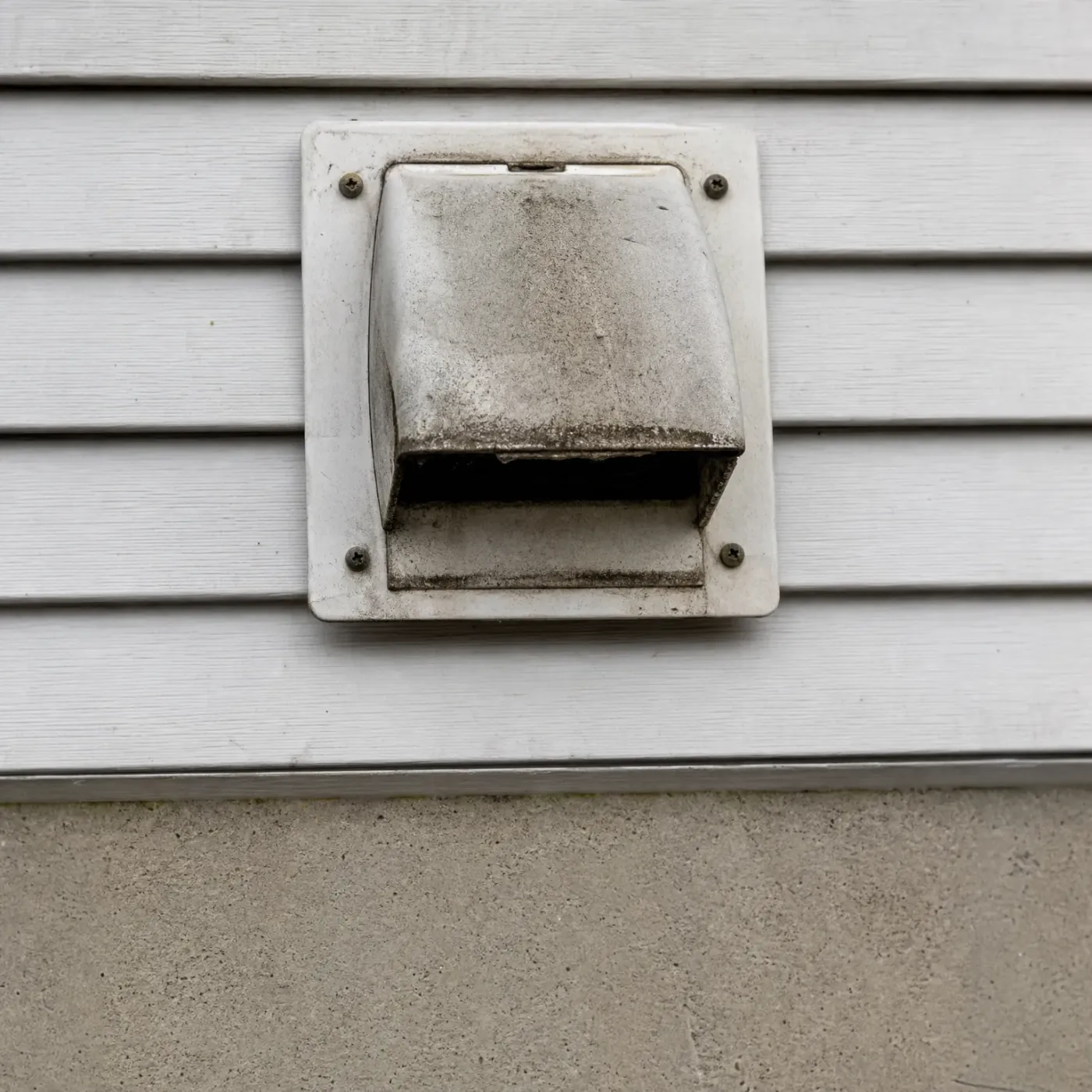
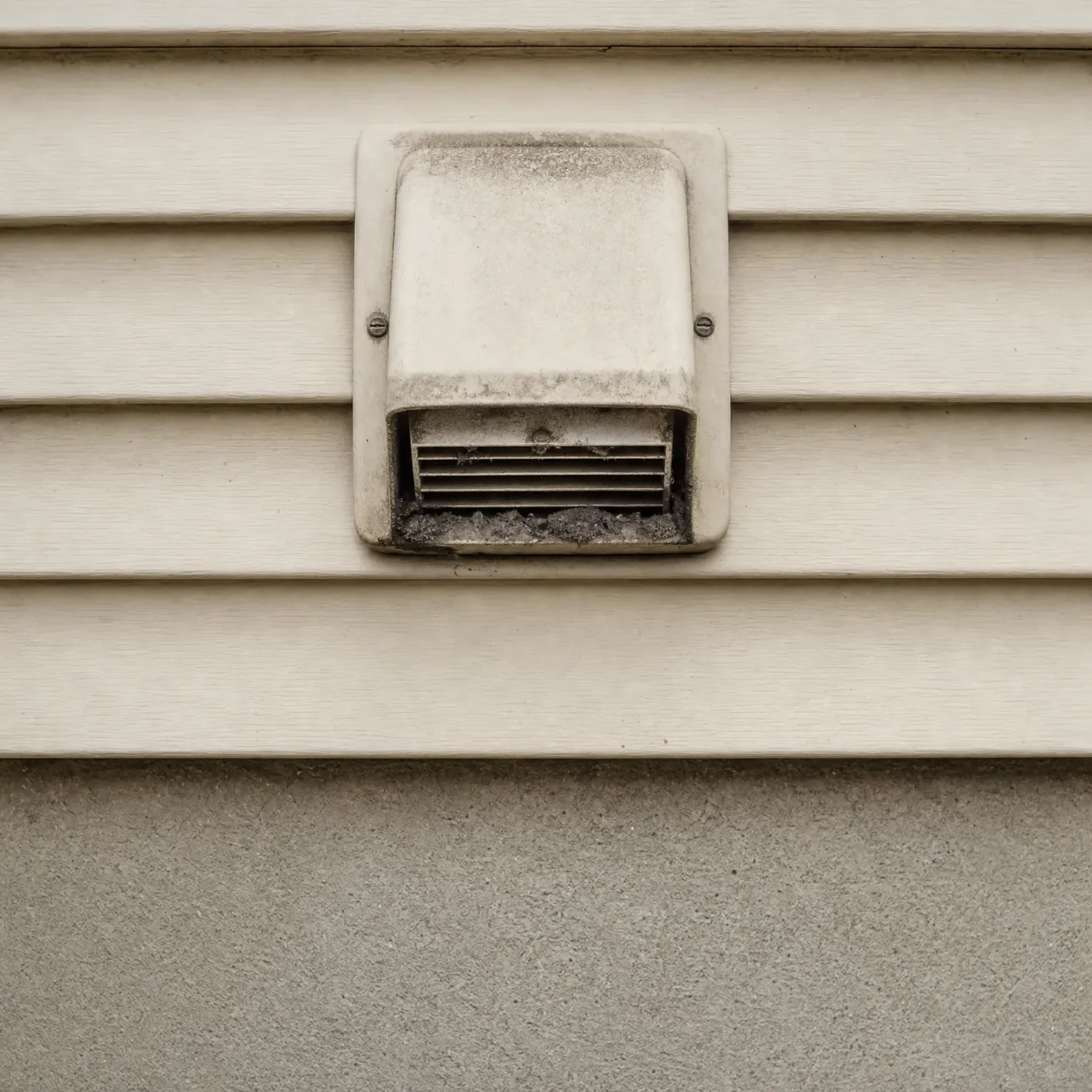
A dusty plastic louvered dryer vent hood screwed into beige horizontal vinyl siding above a gray stucco foundation wall, with lint buildup around the slats.
This is the buildup behind a flap that barely moves, lint catching on every screen and louver instead of blowing clear outside.
A smiling man with dark wavy hair and a short beard, wearing a navy crewneck sweater, sits at a candlelit dinner table with a bowl of food, wine glass and a lamp and framed art behind him.
A woman with wavy brown hair sits on a beige couch with her eyes closed and a slight smile, a knit blanket over her lap and a closed dark-covered book resting on it, with a lit lamp and plant in the dim background.

No calling every shop in Yellowstone County

You've already checked the flap and felt the heat in the laundry room, so you know the vent needs clearing, not guessing at anymore. What's left is finding someone to do it, and that usually means an afternoon of searching review sites, calling two or three companies, explaining the same thing about the dryer running long and the clothes coming out hot, then waiting on quotes to compare. Submitting this instead sends your situation to one licensed contractor working in Yellowstone County, someone who clears vents like yours through the winter and the dry summer months alike and knows which part of the duct tends to clog first in houses out here. You won't be fielding calls from five different companies trying to win the job. Your dryer still has a cycle of wet towels sitting on it, and the vent isn't going to clear itself. Handing this off now is the quickest way to get someone out to look at it.

Why heat is the real warning

A dryer doesn't have a thermostat that shuts it off once clothes are dry. It runs on a timer or a moisture sensor, and when airflow is restricted, the heat that should be carried outside with the damp air stays in the drum instead. That's why the laundry room gets warmer and the clothes come out hot. The heating element or burner isn't working harder than it should. It's working the same amount, but the exhaust isn't carrying that heat away fast enough, so it builds up inside the machine and the room around it.
What lint does over time

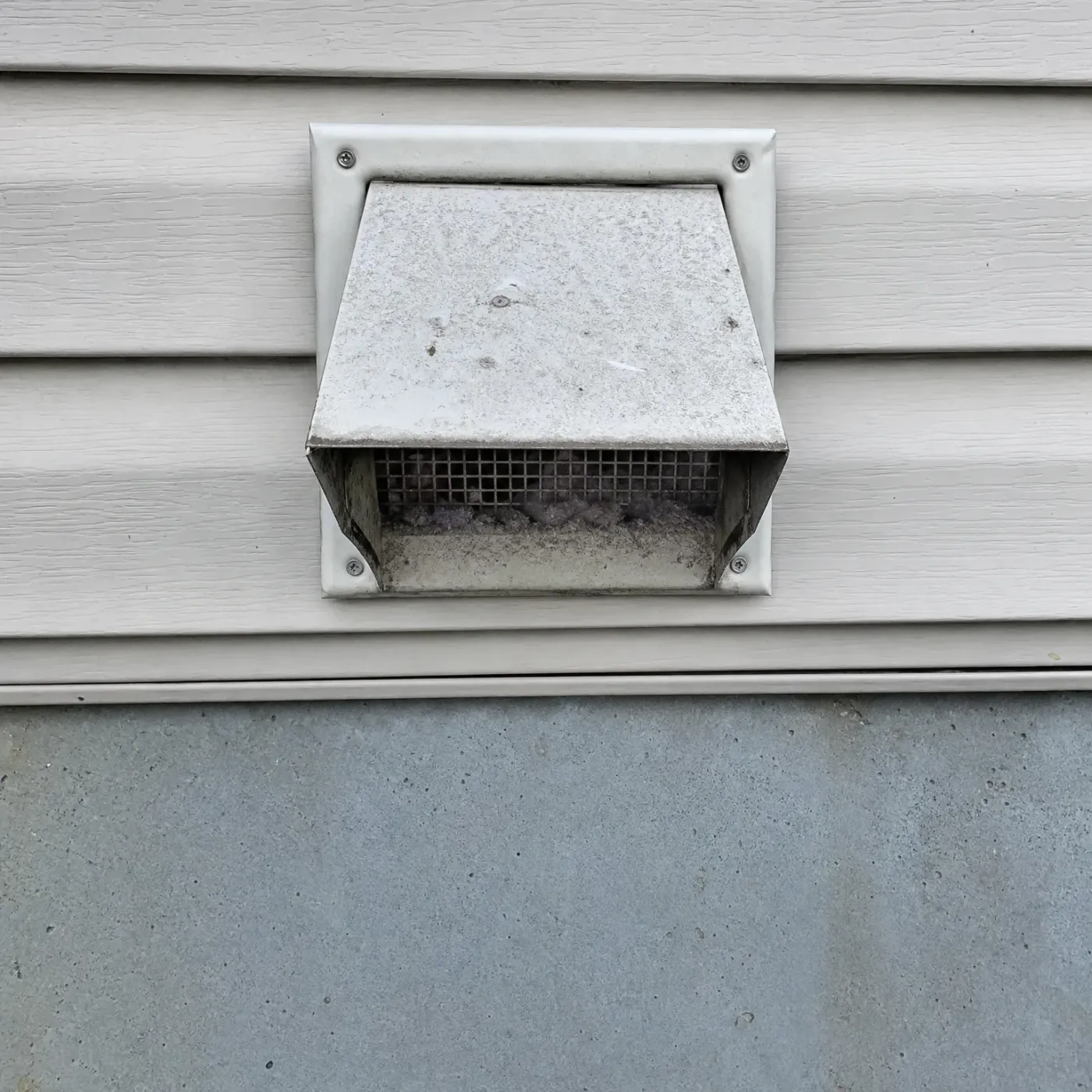
Lint doesn't just block the very end of the vent at the hood. It catches on every seam, every screw point, and every bend in the duct, and each pass of warm, moist air leaves a little more behind. A straight run collects less than one with turns, but every dryer vent narrows gradually rather than clogging all at once. That's why the signs build slowly, a few extra minutes per load at first, then a cycle that has to run twice before the towels are actually dry.

A metal dryer vent hood with a screened opening clogged by gray lint, mounted on light gray horizontal vinyl siding above a concrete foundation wall.
Before you get your dryer vent cleaning
A white hooded louvered vent screwed to gray horizontal lap siding above a concrete foundation wall, with gravel along the ground.
After you get your dryer vent cleaning

2.37 people per household on average

At 2.37 people, your house is probably doing a few loads a week, not one big wash day. Each load adds more lint to a vent that's already slow, so the buildup is steady, not occasional.

ACS 2020-2024

A white hooded dryer vent with a screened opening mounted on beige horizontal lap siding.

What a clear vent looks like

The flap sits behind the louvers and swings open as soon as the dryer starts. Screws are tight, the screen behind it is visible, and nothing is caked around the opening. Air is moving the way it should.

A dirt-streaked white plastic dryer vent hood screwed to light gray horizontal lap siding above a concrete foundation wall.

What a clogged vent looks like

Lint has built up around the flap opening and across the hood itself, gray and thick enough to see from a few feet away. The flap can't swing free under that buildup, so less air gets out with every load.

A dryer vent that's clogged tells you in plain ways: longer dry times, clothes still hot when they should be dry, a laundry room that holds heat long after the cycle ends. If you've checked the flap outside and felt the heat inside, you already have your answer, and what's left is getting the duct cleared out. A contractor who works on dryer vents around Yellowstone County every week has seen this exact setup before, loads piling up through a slow vent, lint packed along the duct walls, and knows where to check first and what tools clear it without tearing into your wall. You'll hear back from one contractor, not a handful of them competing for the job, so there's no sorting through quotes or explaining the problem more than once. The flap, the heat, the drying time, all of it points to the same fix, and that fix is a straightforward call once you're ready to make it.

A single-story white stucco house with dark roof, stone-clad entry tower and three dark garage doors, lit from within at dusk, with a curved concrete driveway and dark mulch beds with boulders and bare young trees in the foreground under an orange and blue sunset sky.

Dryer Vent Cleaning

Skip the search

Duct and vent cleaningYellowstone County, MT
Step 1 of 3

What kind of equipment?

  • A living room corner with a beige upholstered armchair holding a green pillow and knitted throw, a ceramic table lamp on a side table, white built-in bookshelves, a framed landscape print, a curtained window, and a round wooden table with a lit candle and bowl in the foreground.
    • Your request goes to a Yellowstone County pro who takes dryer vent jobs.
    • Get matched with someone who does this kind of work in Yellowstone County.
  • A lit table lamp with a tapered beige fabric shade and a speckled rounded ceramic base sits on a wooden surface beside a potted plant, with curtains and a window in the background.
    • After you send the request, you're done searching.
    • Send the form and the dryer vent cleaning stops sitting on your list.
  • A cream upholstered armchair with a gray pillow and knit throw sits beside a wooden table with a eucalyptus-filled vase, in front of a lit stone fireplace with stacked firewood.
    • Explain the job once and skip repeating it on every call.
    • Skip searching for a dryer vent pro and answer a few questions instead.
  • A gray outdoor air conditioner condenser unit on a concrete pad beside a wood-sided wall, with a horizontal wood slat fence, a cushioned patio chair, a wooden table, and a potted green plant nearby.
    • The pro who reaches out is licensed in Montana.
    • Only one pro gets your request, so you hear from one company.