Clear vent, cool room
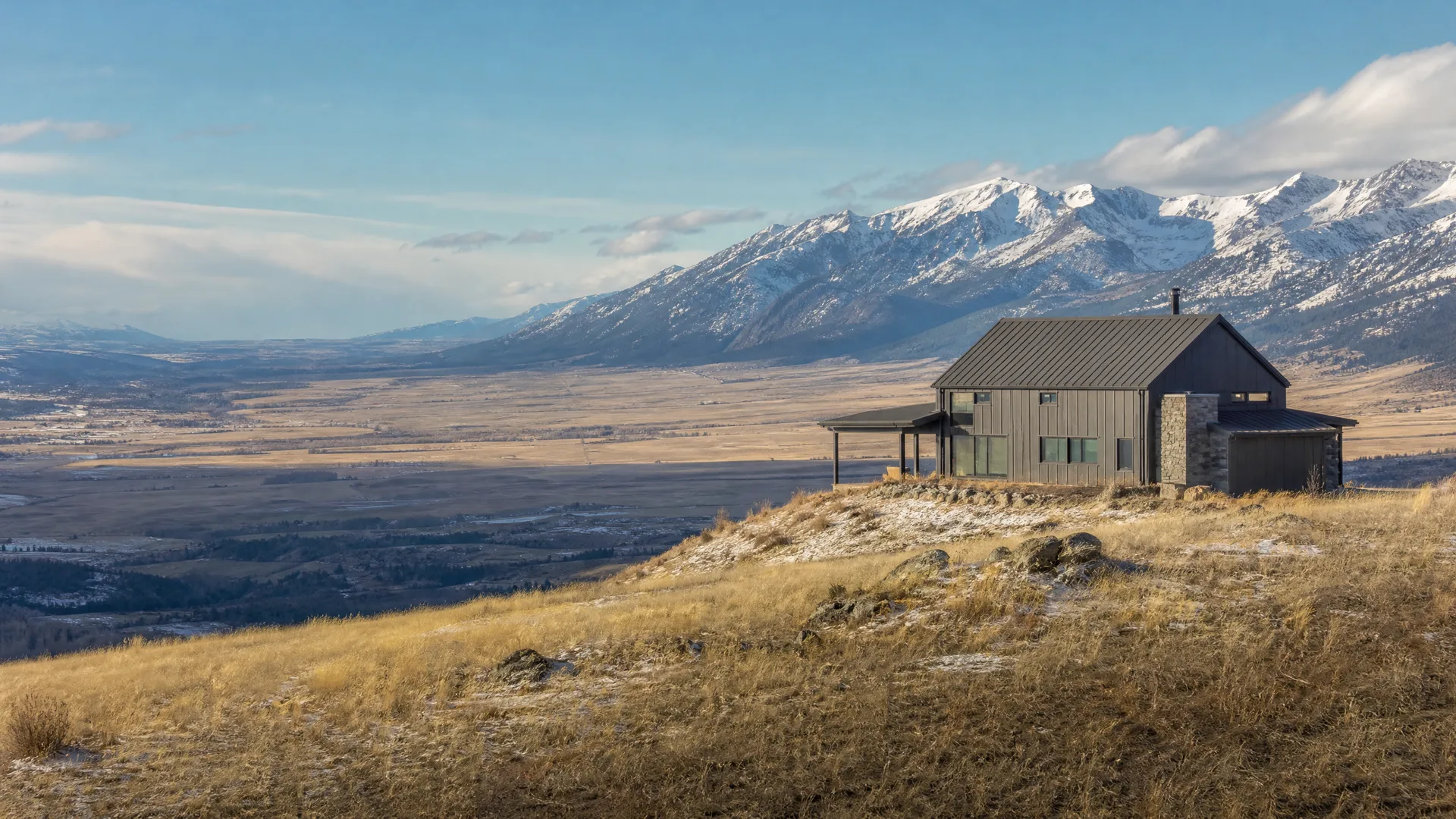
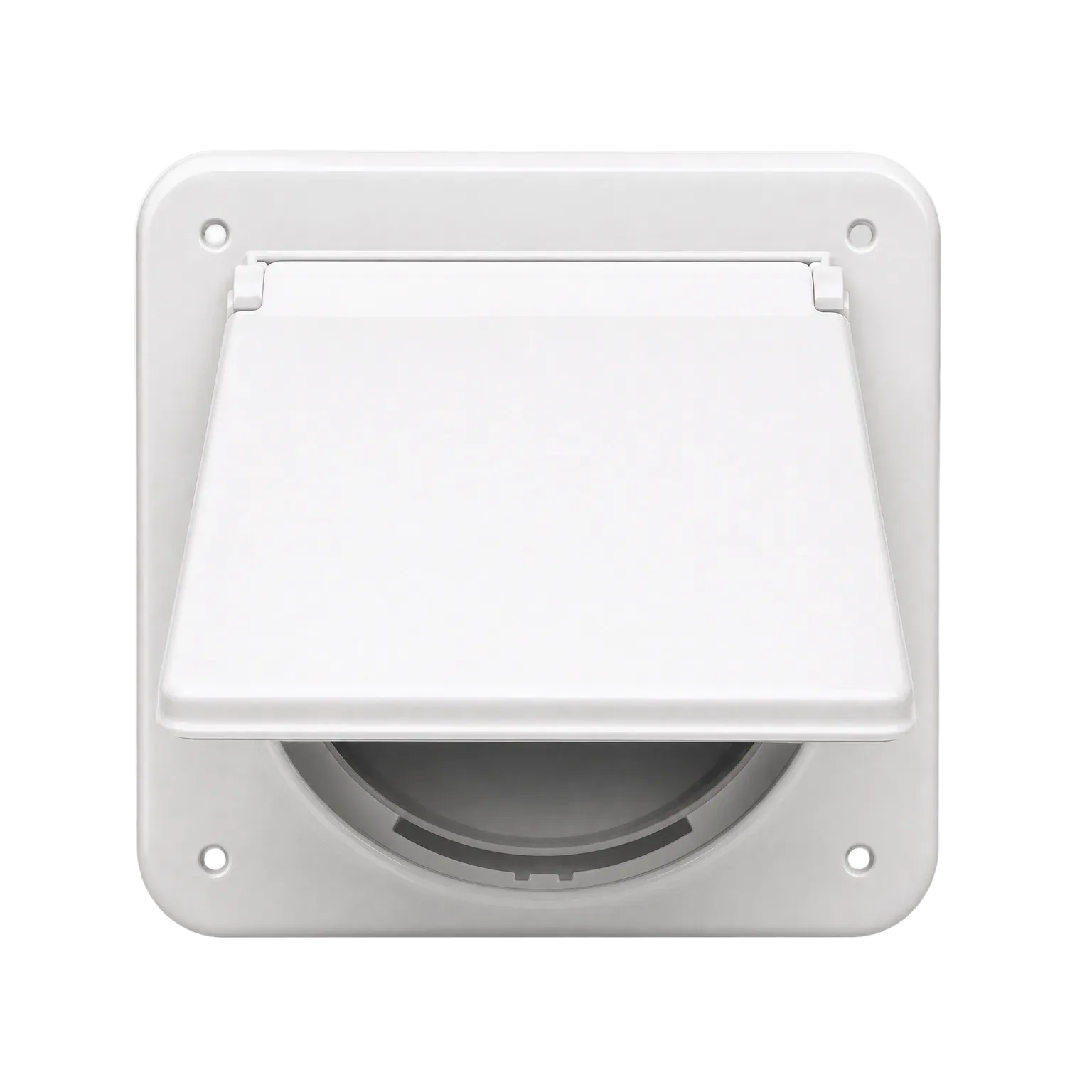
Air moves straight out through the hood with every load. The flap swings open while the dryer runs and closes when it stops. Heat and moisture leave with the air instead of building up around the machine.
A hot laundry room usually means the dryer vent is clogged and the dryer is dumping its heat into the room instead of outside. Every load pushes out hot, damp air, and that air is supposed to leave through the vent. When lint has built up along the way, less of it escapes, so more heat stays trapped around the dryer and spreads into the room. Montana summers already run hot and dry, so a laundry room with poor airflow can climb fast on top of that, especially if the dryer sits on an outside wall with a long vent run. A clogged vent also makes the dryer work harder and run longer to dry the same load, which adds even more heat to the room over time. If towels take two cycles now when one used to do it, that is the vent telling you it is restricted. Clearing it is what brings the room, and the dryer's workload, back to normal.


The dryer is built to send its heat outside, not into the room where it sits. Air gets pulled in, heated, pushed through the drum, and driven out through the vent hood on the wall of your house. That path only works if it's clear the whole way. Most vent runs have at least one bend, sometimes several, and lint catches at every one of them before it gets anywhere near the hood. Once enough builds up, the dryer has to work harder to push air through, and it runs hotter and longer to do it. That extra heat doesn't vanish. With nowhere else to go, it backs up into the laundry room. You can see some of this for yourself. Step outside while the dryer runs and check whether the hood flapper swings open wide. If it barely moves, or a load that should take one cycle is taking two or three, the vent is the reason, not the dryer itself.





Air moves straight out through the hood with every load. The flap swings open while the dryer runs and closes when it stops. Heat and moisture leave with the air instead of building up around the machine.

Lint has packed in around the flap until it barely opens. The dryer still pushes hot air out, but most of it backs up into the vent run and the laundry room instead. Dry Montana summers make that trapped heat harder to shake once it settles in.
You run a load and the room turns warm and heavy before the cycle ends. The air feels thick, maybe a little damp against your skin. Touch the dryer and the front panel or the top is hot, hotter than it should be. Clothes come out of the dryer still warm long after the buzzer goes off, and some loads take two runs through to actually dry. Open the door and a wave of hot air rolls out past you. Outside, check the vent hood. If the flap barely moves or stays shut while the dryer runs, the air isn't getting out, it's building up in the room. Left alone, that heat and moisture sit against the dryer and the wall behind it every time you do laundry.
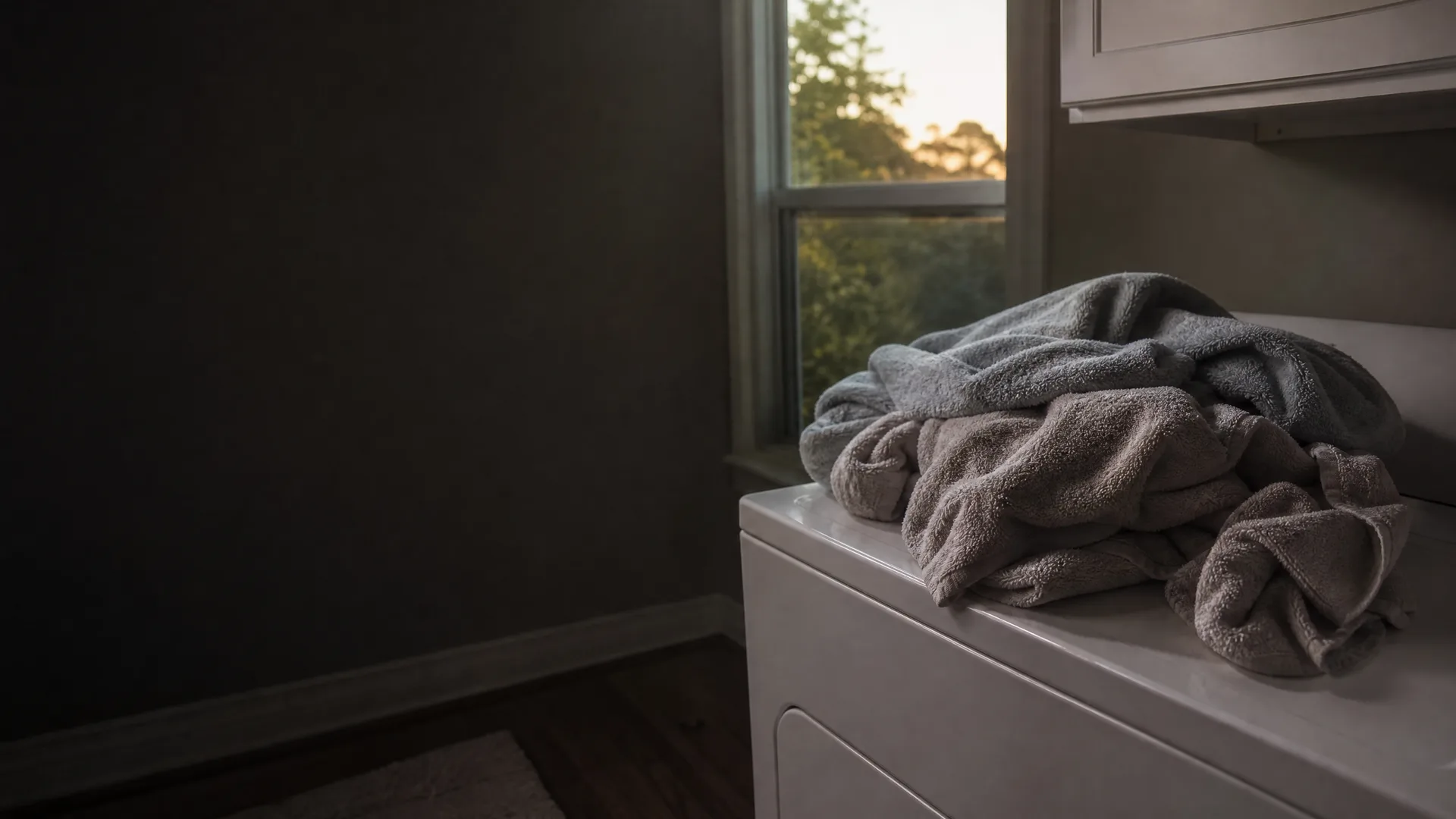
You pull the last load out at nine, after the dishes, after the kids are down. The towels still carry a edge of damp in them, and the room is warmer than the hallway by a lot. You set them on top of the dryer to go back in for another cycle and notice the machine's top is hot enough that you pull your hand back. The window above the sink is dark, the swamp cooler's long off for the night, and this room hasn't cooled down since you started the first load at six. You open the door to the hallway to let some of it out before you start the next cycle. A tech who works vents all over this part of Montana every summer would know in one look what that heat's telling you.
A Montana summer already pushes the house warm, and a clogged dryer vent adds a second heat source right in the laundry room, one that keeps building load after load. Finding someone to deal with it usually means searching, calling a few places, describing the same hot room and slow drying time more than once, then weighing quotes against each other before you even get a date on the calendar. This skips that. The request goes to one contractor, local, who clears vents in Montana homes all summer and knows how lint settles in a long run or at a tight bend, and what a hood flap looks like when it's not swinging free anymore. You're not fielding calls from five companies trying to win the job. With gas heat and cheap power here, the vent is the one place pulling heat into the room for no reason, and that's a fixable thing, not something to live with through another hot stretch of laundry.

The hood sits flush against the siding, flap free to swing. Air and lint blow straight out every time the dryer runs, so nothing collects behind the louvers. The laundry room stays close to the temperature of the rest of the house, load after load.

Lint has built up across the louvers until it pushes out past the hood itself. Air can barely get past it, so the heat and moisture a dryer makes have nowhere to go but back into the room. A vent in this shape is why the laundry room runs hot all summer.
Power in Montana runs 12.99 cents a kilowatt-hour, cheap next to a lot of the country. That makes it easy to run extra loads or an extra fan without a second thought. A clogged vent still costs you the heat and the damp air stuck in the room, no matter what the bill says.
EIA-861 2025 statewide residential average
Lint collects inside the duct a little more with every load.
The narrowed duct slows the air the dryer needs to push out.
Heat and moisture back up into the drum instead of venting outside.
The dryer runs longer to finish, pouring that trapped heat into the room.

The room heats up load after load because the vent isn't letting the air out the way it should. Lint built up somewhere along the run, the dryer is working against that blockage, and the heat it should be pushing outside is staying in the room with you. Clean the vent and the room goes back to running close to the rest of the house, even in a Montana summer.
A local contractor who clears vents every season knows where lint collects on a typical run and what to check first. Converting here means one licensed pro gets in touch, not a string of companies calling back, and you explain the laundry room once instead of repeating it to every name you find searching around for who handles this kind of work.


Skip the calls to every shop