 Find a pro near me
Signs your dryer vent is clogged in Montana
A local pro who cleans dryer vents gets in touch with you.
A dryer that takes two cycles to dry a normal load is telling you something. So is a dryer that runs hot to the touch, or a laundry room that gets warmer than it should while it's running. The lint trap catches most of the lint, not all of it, and the rest builds up in the vent run over time, especially if the vent has any bends in it between the machine and the outside wall.
Montana summers are hot and dry, and that dry air can make a sluggish vent easy to miss because clothes still seem to dry well enough. It's the months around it, and winter especially, when a partly blocked vent shows up as longer run times and a dryer that works harder than it needs to.
Check the outside vent hood while the dryer runs. Weak airflow there, or lint caught in the flap so it can't close all the way, is as plain a sign as you'll get. A burning smell is not something to wait on.
Finding someone to actually clear it is its own chore. You'd be looking up vent cleaning companies, calling a few, describing the same symptoms each time, then sitting on quotes trying to tell them apart. This page skips that part. Answer a few questions about your dryer and your vent, and you're matched with a contractor who handles this kind of work and who reaches out to you directly. No list of companies to sort through, no repeating yourself on the phone three or four times.
What you get from that first call is a clear look at what's going on with your vent and what it would take to fix it, from someone who already knows the basics of your situation before they show up. The rest of this page walks through the specific signs to check for. If you'd rather have someone look at it than keep troubleshooting on your own, that's what the button below is for.
How do I know if my dryer vent is clogged?
You run a load and the clothes come out damp, so you run it again. Maybe you've noticed the laundry room feels hotter than it used to, or the outside vent flap barely moves when the dryer's going. None of that feels urgent on its own, but together it points to one thing worth checking before you run another load.
A clogged vent shows up as longer dry times, a hot dryer, and weak airflow outside
A clogged vent restricts the airflow that's supposed to carry hot, damp air out of your house. The dryer keeps heating, but that air has nowhere to go, so it recirculates and the load stays damp longer than it should. You'll notice the dryer itself running hotter than usual, the laundry room warming up during a cycle, and a burning smell that wasn't there before. Step outside while it's running and check the exterior vent hood. If you feel only a weak puff of air, or none at all, the vent is blocked somewhere between the dryer and the outside wall. In Montana's dry summer air, lint builds up fast and burns easily, so a weak vent is worth checking before fire season, not after.




Get your dryer vent to the right pro
A clogged vent doesn't stay the same problem all year. In a Montana winter, a dryer venting into a cold garage or crawlspace can build up frost right at the vent hood, and that ice closes off the little bit of airflow a partly blocked vent had left. In summer, when the air outside is already hot and dry, a restricted vent gives the dryer even less room to push heat out, so it runs long and runs hot on top of heat it's already fighting. Lint doesn't care what season it is. It builds the same way in January and July, but what it does to your dryer depends on what's happening outside that day. Finding someone to check the vent, clear it, and tell you honestly whether it needs a repair too usually means calling a few places, describing the same symptoms each time, and waiting on quotes you then have to compare. Handing that off now gets you to someone who already knows the job.

Check the vent hood outside
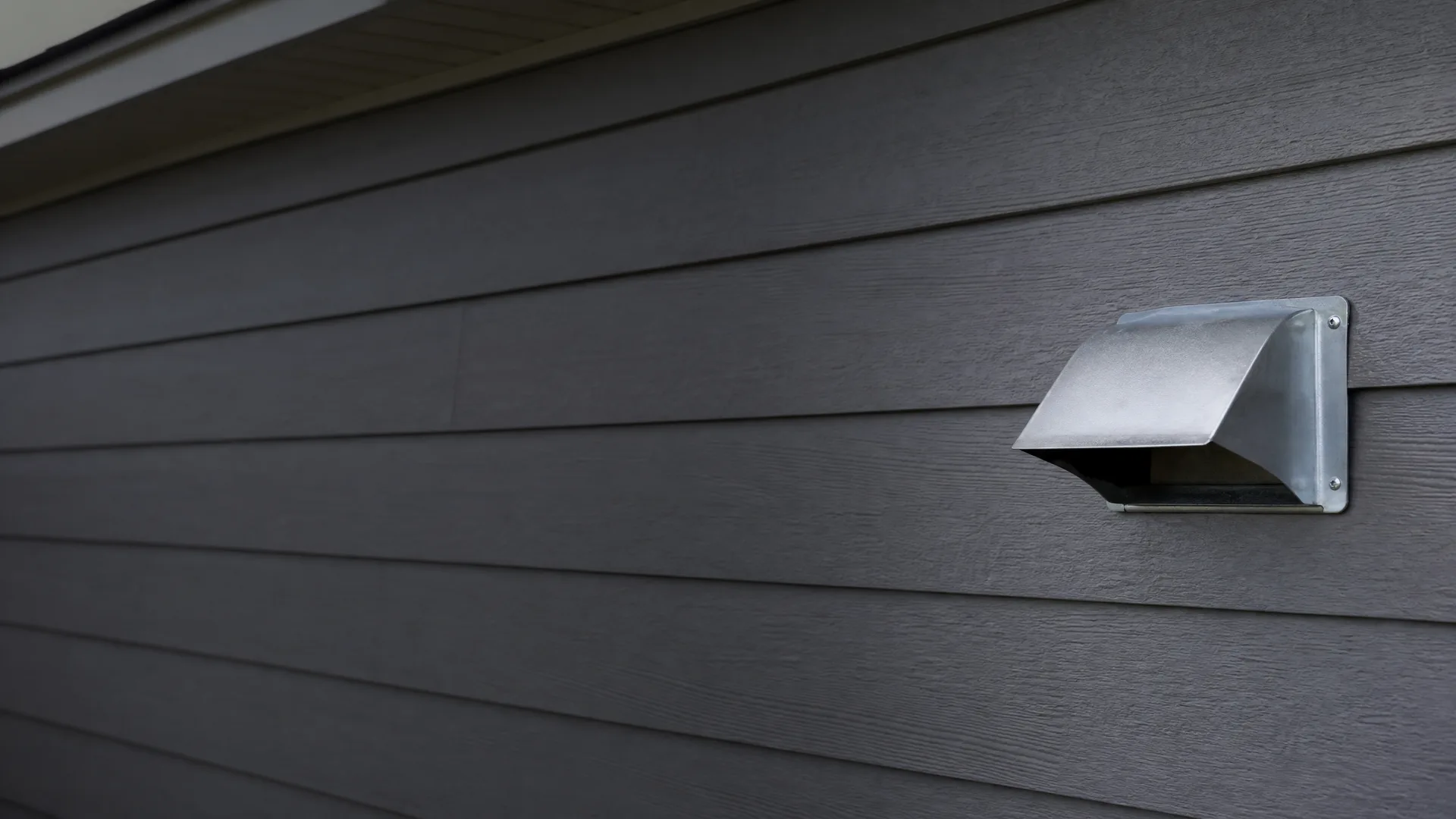
Go outside while the dryer is running and find the vent hood. The flap should swing open and you should feel steady warm air pushing out. A flap that barely lifts, or air that feels weak against your hand, means something between the dryer and that hood is holding lint back. A clear vent pushes enough air to hold the flap open the whole cycle, not just in short puffs.

Listen to the dryer itself
A dryer working against a blocked vent runs louder than normal, because the drum motor and blower are pushing against air that has nowhere to go. You may also notice the cycle takes longer to finish, or the auto-dry setting keeps adding time. Gas dryers in particular depend on that airflow to vent exhaust properly, so a louder, longer cycle is worth paying attention to.
Clear Vent or Clogged Vent
Clear vent
- The dryer finishes a normal load in one cycle, not two or three.
- The laundry room stays close to room temperature while the dryer runs.
- The outside vent hood flap swings open wide and stays open the whole cycle.
- You feel strong, steady warm air pushing out of the hood when you hold your hand near it.
- The dryer housing stays cool enough to touch after a full cycle.
- Lint shows up in the trap after each load and nowhere else.
Clogged vent
- Clothes come out damp or still warm and faintly musty, so the dryer gets run a second time.
- The laundry room heats up noticeably and stays warm after the cycle ends.
- The vent hood flap barely lifts, or you feel only a weak puff of air outside.
- The dryer runs hotter than usual and the cabinet feels warm to the touch.
- Lint turns up around the hood outside, behind the dryer, or caked in the duct itself.
- In winter, frost can build right at the vent hood and cut off what little airflow was left.


Power costs 12.99 cents per kilowatt-hour statewide
At 12.99 cents a kilowatt-hour, running a dryer twice to finish one load costs you twice, and a clogged vent is usually why it's taking two cycles. Clear the vent and the dryer dries a load the way it's supposed to, on the first try.
EIA-861 2025 statewide residential average
A clogged dryer vent shows itself in small ways before it becomes a real problem: longer dry times, a hot laundry room, a vent hood flap that won't swing open. Catch those signs early and the fix is straightforward. Ignore them through a Montana winter or summer and you're looking at a dryer working harder than it should, on a gas line and a power bill, for longer than it needs to. You don't have to figure out on your own whether what you're seeing adds up to a clogged vent or something else, then spend an evening searching for someone who cleans vents, calling a few, explaining the same thing to each one, and weighing quotes that are hard to compare. Answer a few questions about what your dryer and vent are doing and a contractor who handles this in your area will reach out to you directly. The signs are the same whether you check them yourself or have someone confirm them. What changes is whether you spend your evening running down contractors or just waiting on a call.
The right pro for this job
Answer a few questions about the dryer vent cleaning and skip the search.