Fill out one short form instead of calling around.
Upstairs is cold and downstairs is fine, and you've probably already checked the obvious things. The thermostat is set right. The vents upstairs are open. The filter looks clean enough. None of it explains why the air coming out of those upstairs registers feels weak or barely warm at all.
That gap between floors usually comes down to how the air is getting there, or how much of it is. A furnace pushes a certain amount of heat through a duct system sized for the whole house, and if the upstairs runs short, something in that path isn't doing its job. It could be the blower not moving enough air, a duct run that's restricted or disconnected somewhere you can't see, or a system that was never balanced right for a two story house in the first place. Montana winters don't leave much room to guess at it. When it's below zero outside, a furnace that's underperforming upstairs is a furnace working too hard for too little result.
Finding out which one it is means someone getting into your attic or crawlspace, checking static pressure, looking at the duct runs register by register. That's not a weekend project, and it's not something you want to hand to three different companies just to see who calls back first. You'd normally spend an evening searching for furnace repair contractors near you, calling a few, explaining the same upstairs-is-cold story each time, then sitting on quotes trying to figure out who actually knows two-story duct systems versus who's guessing same as you.
Here, that search ends at one contractor, not five. Someone local, licensed, who works on furnaces and ductwork in Montana homes all winter and has seen this exact complaint plenty of times. You explain it once. They already know the usual suspects for a house like yours before they walk in the door.
Heat rises on its own, but that's not why the upstairs stays cold. The problem is almost always that your furnace and ducts were sized to heat the house as a whole, not to push enough warm air up a full flight of stairs against the cold settling in from below. In a Montana winter, with the furnace running hard for months to keep the main floor comfortable, the upstairs ends up last in line. A duct run that's too long, too narrow, or poorly balanced loses pressure by the time it reaches the second floor, so the air arriving there is weaker and cooler than what's coming out downstairs. Sometimes it's a design problem from when the house was built. Sometimes it's a return vent upstairs that's missing or blocked, so the system can't pull air back through to balance the flow. Either way, it's not something you fix by turning up the thermostat. It takes someone who can test the airflow room by room and find where it's being lost.
Before you get your furnace repairAfter you get your furnace repair
Why the return air matters
Most furnaces pull air back in through one or two big returns, usually downstairs. Upstairs often has no return at all, or a small one. That means the blower is always working against a house that's short on a way to pull air back down. Warm air gets pushed up fine, but nothing is moving the cooler air out of those upstairs rooms to make room for it. The duct run matters too. A long supply line with a couple of tight turns loses pressure before it ever reaches the second floor register.
What a contractor actually checks
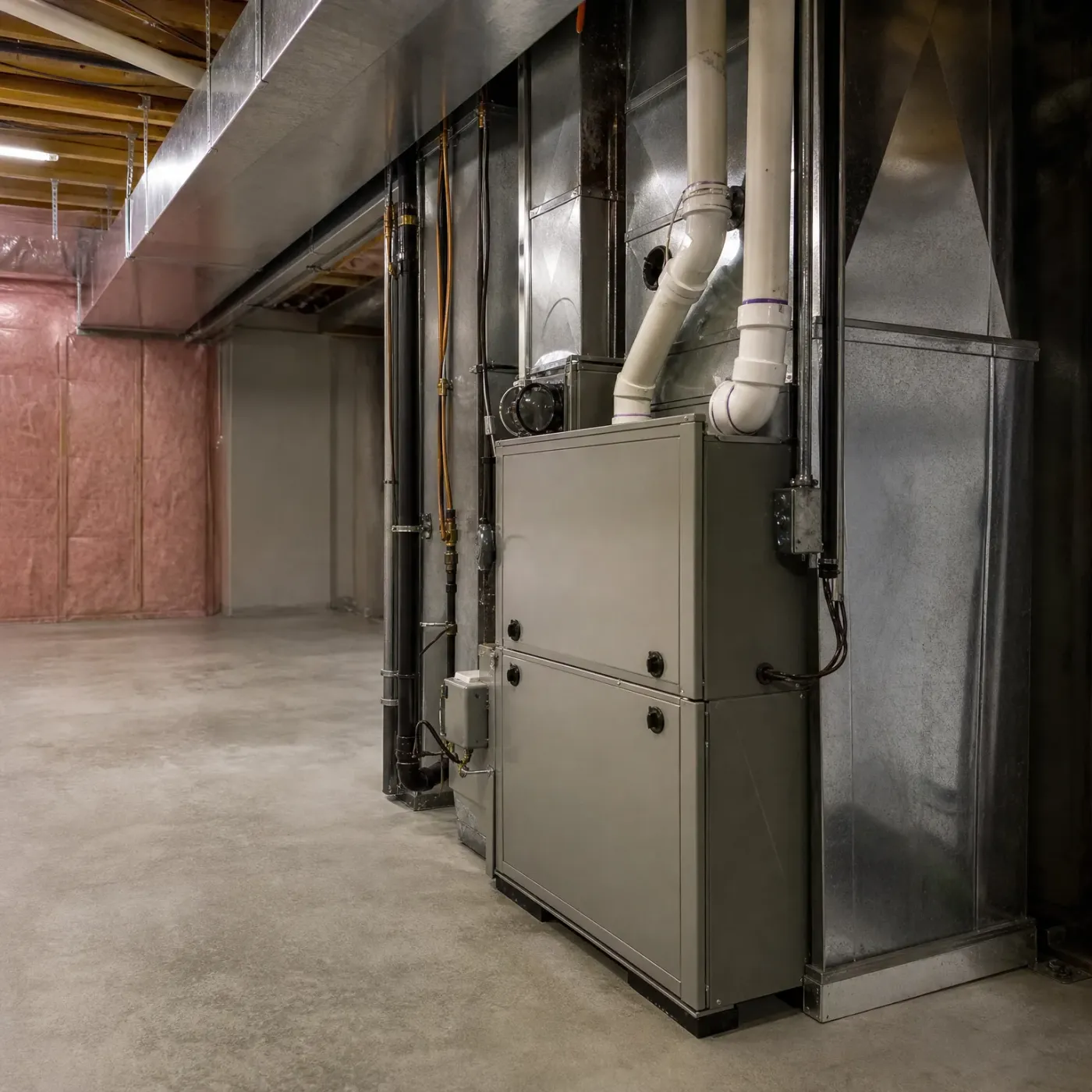
A contractor who works on furnaces all winter in Montana will check static pressure in the ducts before touching anything else, since that number shows whether the blower is actually moving enough air to reach the second floor. They'll look at damper positions in the trunk line, check for a crushed or disconnected run in the attic or a wall cavity, and see whether the upstairs return is doing its job. It's often a balancing problem, not a broken part, and finding that takes someone who knows where these systems typically give out.
One form, no calling around
Your request goes to one pro, not a list of companies.
Explain the job once and skip repeating it on every call.
A contractor can add or enlarge a return upstairs so the blower isn't fighting a house with nowhere to pull air back from.
Dampers in the branch lines can be adjusted to send more of the furnace's output up the trunk line instead of losing it to the closer, easier path downstairs.
If a duct run to the upstairs registers was undersized or pinched when the house was built, that run can be replaced with one sized to carry enough air.
Sealing leaky duct joints in the attic or a crawlspace keeps warm air from escaping before it ever reaches the upstairs rooms.
A contractor who works on furnaces in Montana every winter has likely seen this exact layout before and knows which fix usually solves it in a given type of house.
Furnace and blower fixes
A weak or failing blower motor won't move enough air to reach the far end of the duct system, and upstairs is usually the far end.
If your furnace is undersized for the square footage, it can heat the downstairs fine and simply run out of capacity before the air gets upstairs.
A clogged or restricted filter cuts airflow at the source, and the rooms farthest from the furnace are the first to feel it.
Static pressure that's too high for the system strains the blower and reduces how much warm air actually reaches the upstairs vents.
Replacing or repairing the blower assembly restores the airflow the whole duct system was designed around, not just the parts closest to the furnace.
1
Cold air sinks and pools downstairs near the furnace return.
2
The blower pulls mostly from that downstairs air, not upstairs.
3
Warm air has to push up through branch ducts against that cold layer.
4
Any closed or undersized duct upstairs cuts the airflow further.
What's it like living with this every winter
By evening the bedrooms upstairs are noticeably colder than the living room, and you've probably started shutting doors to keep what heat there is from escaping. Someone in the house sleeps with an extra blanket or a space heater running in the corner. The furnace seems to run long stretches without the upstairs ever quite catching up, which on a cold Montana night means it's working harder than it should for a result that still isn't warm. Left alone, that imbalance doesn't fix itself. It just means more hours of runtime on a furnace that's already struggling to push air where it needs to go, and a space heater doing the job the furnace was supposed to do.
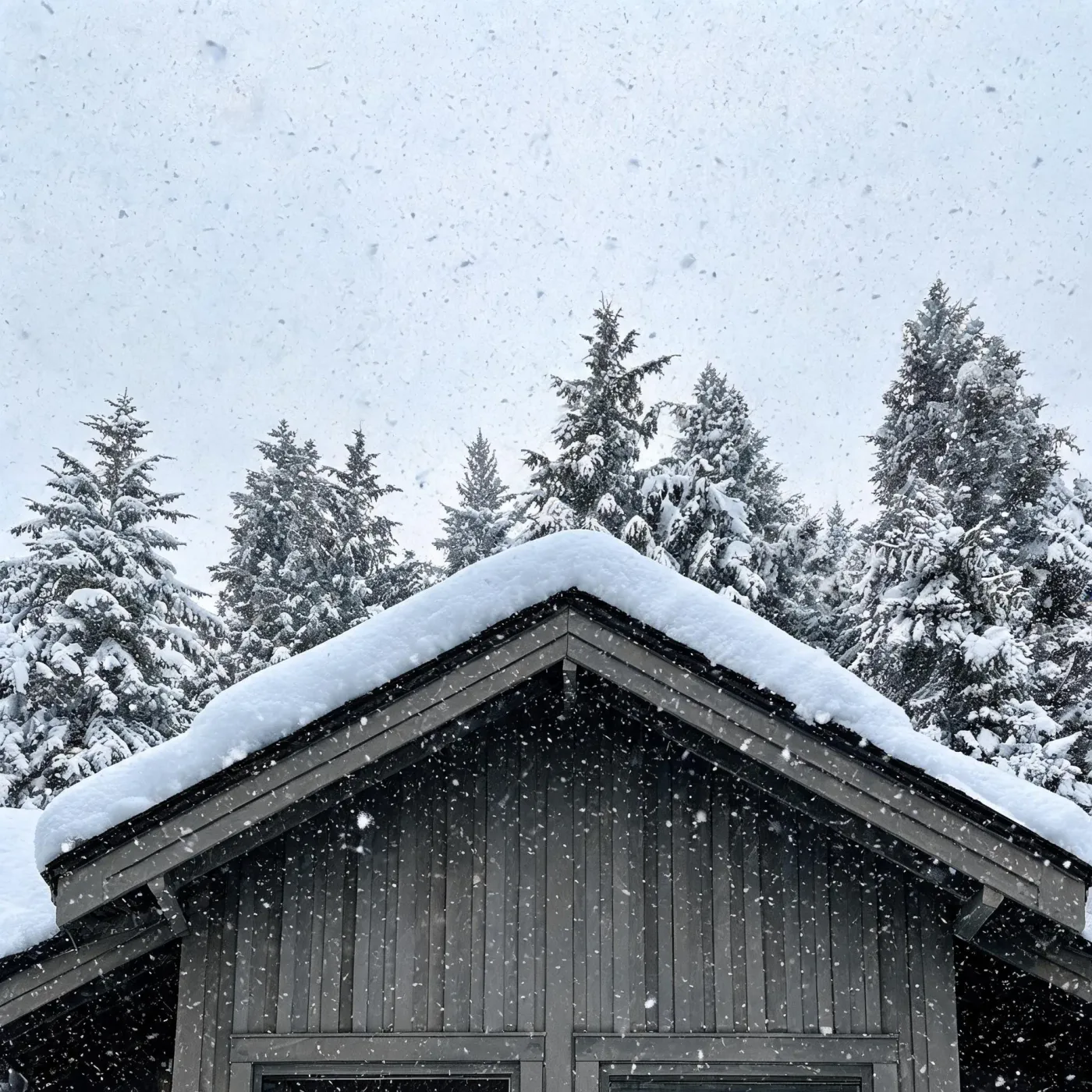
Statewide, winter nights average 15°F, according to NOAA. On a night that cold, your furnace is running long stretches just to hold the downstairs where you set the thermostat, and whatever's left over has to fight its way upstairs through ducts already losing heat along the way. That's the air your upstairs registers are blowing, and at 15°F outside, there isn't much margin left by the time it gets there. You'll notice it most on the coldest nights, not the mild ones, since a furnace sized for an average night has less to spare when it drops this low.
NOAA nClimDiv 1991-2020 county normals weighted by homes
A furnace running the way it should sends warm air up every branch duct with enough force to reach the upstairs registers.
A furnace losing ground upstairs often shows it first in a cold conduit run or a drain line that's not keeping up.
Winter nights average 15°F statewide
That's a statewide average, so plenty of nights where you are drop well past it. At 15 below, or colder, your furnace has to run close to nonstop downstairs just to keep the thermostat satisfied, leaving little left to push up the stairs.
NOAA nClimDiv 1991-2020 county normals weighted by homes
What this comes down to
Cold upstairs rooms usually point to how the ducts and returns are balanced, not a broken furnace.
A damper adjustment or a new return can send more warm air where it's not reaching now.
On the coldest Montana nights, a furnace already working hard downstairs has even less left to push upstairs.
A local contractor who services furnaces all winter has likely seen this exact layout before.
One contractor means one visit and one diagnosis, not a string of calls to sort through.
Fixing the airflow balance is what gets warm air up the stairs, not turning up the thermostat.
Your furnace isn't broken. It's moving air the way the ducts and returns were set up to move it, and upstairs is losing that fight, especially on the cold nights Montana gets plenty of. That's a balance problem, and balance problems get fixed by someone who can look at the returns, the branch runs, and the dampers, and know which one is starving the upstairs rooms. A furnace tech who works on heating systems all winter in your area has run into this layout before, maybe in a house not far from yours. They know that an undersized return downstairs or a closed-off damper in a branch line shows up as exactly what you're living with, cold bedrooms at night while the thermostat reads fine. You get matched with one contractor, local, licensed to do the work, not a handful of companies competing for the callback. That means one visit, one diagnosis, and someone who already has a reasonable idea what they're looking for before they get to your attic or your basement ducts. Adjusting the airflow, not raising the thermostat, is what actually gets warm air up the stairs. Once the ducts are balanced for how your house actually heats, the upstairs stops depending on luck and leftover heat from downstairs, and starts getting the share of warm air it was supposed to get in the first place.