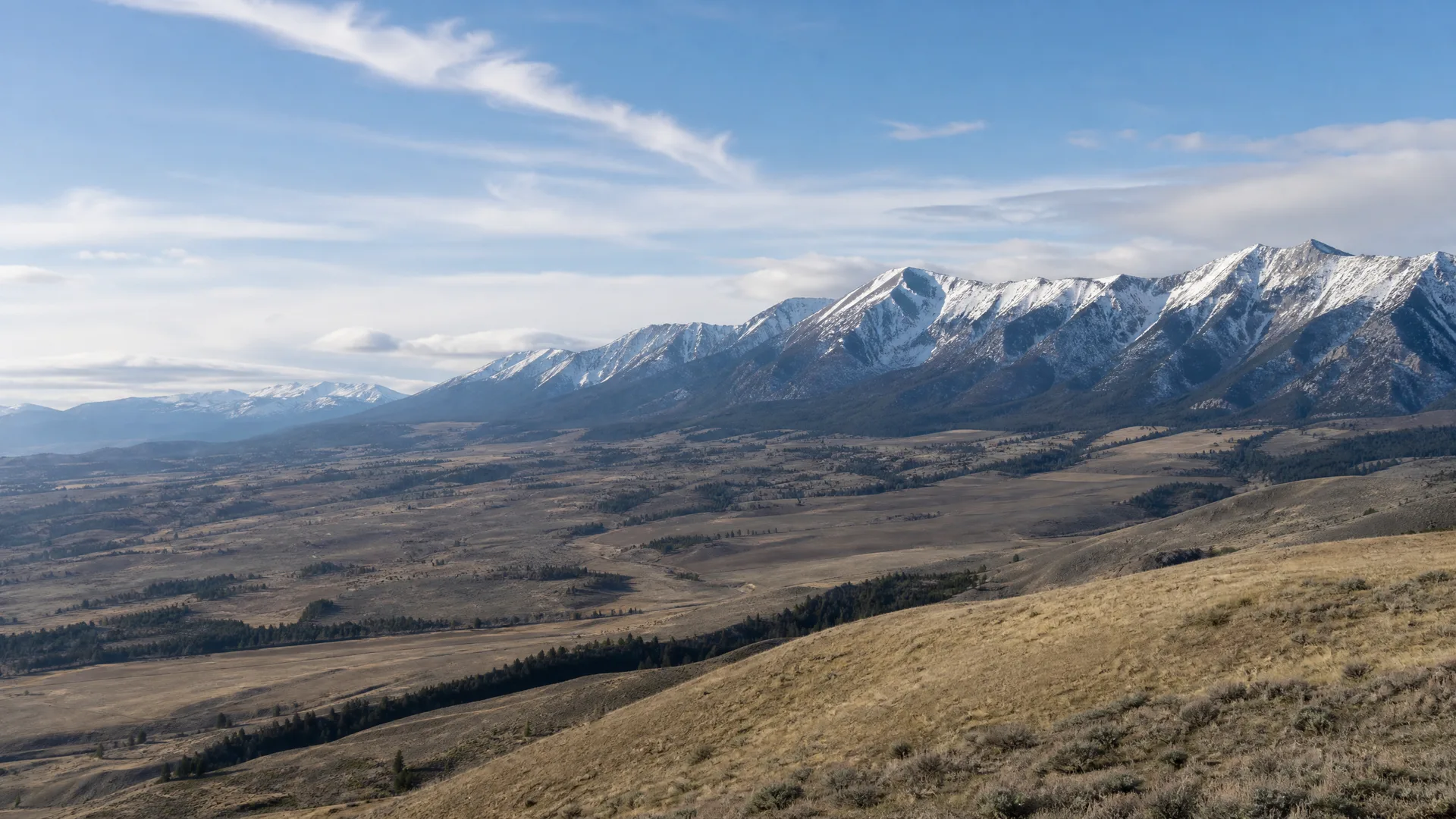

Furnace running right
Warm air pushes steady through the vents, and the burner cycles on and off without drama. The flue pipes stay clear, the blower runs quiet, and the house holds the temperature you set. Nothing to check, nothing to listen for.
 Get matched
Describe your furnace job, and a local pro who handles it gets in touch.
A furnace that quits in a Montana winter is not something to sit with overnight. Once it's out, the house starts losing ground fast, and pipes are at risk if it stays cold too long.
Most homes here run on gas, and when a furnace won't light or won't stay lit, it's usually the igniter, the flame sensor, or the pressure switch. A thermostat with a dead battery can also leave the house cold with the furnace never getting the signal to run. None of these are things to diagnose by guesswork in the middle of a cold snap.
You don't have to spend the next hour calling around town to find someone free. Tell this page what's going on with your furnace and where you live in Montana, and it gets handed to a contractor who takes on repairs like yours.
That's the part that's easy to put off when you're cold and tired: finding someone who's actually available, who knows gas furnaces, who can get to you. Once you send the details, that search isn't yours to carry anymore. The contractor who reaches out already knows what you're dealing with before they call.
Power here is cheap, which means a space heater or two can get you through the wait without much worry about the bill. That's a reasonable stopgap. It isn't a fix for a furnace that's failing, and a cracked heat exchanger or a gas smell is not something to wait out with a space heater in the next room.
The form below asks what your furnace is doing and where you are. That's enough to get the right contractor looking at your situation instead of you looking for them.
A furnace going out when it's well below freezing outside is a different problem than one going out in October. You need to know what's worth trying yourself, what's a sign to shut things down, and when to get someone out there before the house gets too cold to recover from quickly.
Start with what you can see. Check that the thermostat is set to heat and the temperature is above room temperature, and check the breaker for the furnace. Gas furnaces also have a flame sensor and igniter that fail quietly, so if the blower runs but no heat comes out, that's usually where the trouble is. None of that is something to fix yourself. Montana winters don't leave much room for a furnace to sit broken. Once the house starts cooling, pipes along exterior walls are the first thing at risk, and that risk grows for every hour the heat stays off. If the basic checks don't bring it back, the next step is getting a repair technician out, not waiting to see if it resolves on its own.




You set it to 68 and the air coming out of the vents feels barely warm, or not moving at all. Maybe you hear the furnace click and try to light, then shut off again, a cycle that repeats every few minutes. Maybe there's no sound at all, just quiet where there should be a blower running. Some homes get a burning dust smell for a few minutes when the furnace first kicks on after sitting idle, and that's normal, but a sharp or lingering smell is not. If the thermostat is dark or unresponsive, the problem might be electrical rather than the furnace itself. Left alone too long in a Montana winter, a house without heat cools fast, and pipes along outside walls are the first thing at risk.

You go down to check the thermostat reading against what you're actually feeling, and the basement air is colder than the house above it. The furnace sits quiet. No fan noise, no click of the igniter trying. Just a thin layer of dust catching the light from the bare bulb overhead, drifting slow since nothing's moved it in a while. It's November, early evening, the kind of dark that comes down fast this time of year in Montana. You crouch by the unit and put a hand near the vent. Nothing. Somewhere above you the house is already a few degrees cooler than it was an hour ago, and you know it'll keep going that way until something changes.
A furnace that won't stay lit at ten below isn't a project for a free afternoon. Every hour it sits out, the house gives up more heat, and in a Montana winter that adds up fast. You can check a thermostat setting or a breaker, but once you're looking at an igniter that won't hold flame or a inducer motor that won't start, that's a repair for someone licensed to touch gas lines and electrical. Finding that person usually means calling around, explaining the same problem three or four times, waiting on someone to call back. None of that is quick when the house is dropping a degree an hour. Send the request through and that search becomes someone else's job instead of yours. You go back to layering blankets or checking on the pipes, not scrolling through listings for who's open and who still answers the phone this late in the day.
Thermostat calls for heat and sends power to the control board.
The inducer motor starts and clears the heat exchanger of old gas.
A pressure switch confirms the draft before any gas is allowed.
The igniter heats up or a hot surface ignites the gas.




Warm air pushes steady through the vents, and the burner cycles on and off without drama. The flue pipes stay clear, the blower runs quiet, and the house holds the temperature you set. Nothing to check, nothing to listen for.

The blower's silent and the basement air feels as cold as the concrete floor under it. No click from the igniter, no hum from the inducer motor. Whatever stopped it, it stopped before the burner ever got the chance to light.

A house in Montana loses heat fast once the furnace quits. Within a few hours you'll feel it in the rooms farthest from the thermostat first, and by morning the whole place is cold enough that you're reaching for extra blankets instead of fixing anything. If you've got pipes running along an outside wall or through an unheated crawlspace, that's where the real risk sits. Power is cheap here, so a space heater can hold a room for a night, but it won't protect the rest of the house.
You don't have to spend the evening calling around to find out who can come look at it. Send in what's going on with your furnace and your address, and a contractor who works your area gets back to you directly. That's one less thing to manage while you're also watching the thermostat and checking on the pipes under the sink.

Average that low and your furnace is running most nights just to hold 68. A short outage near 15°F cools the house fast, and pipes along outside walls are the first to feel it.
NOAA nClimDiv 1991-2020 county normals weighted by homes


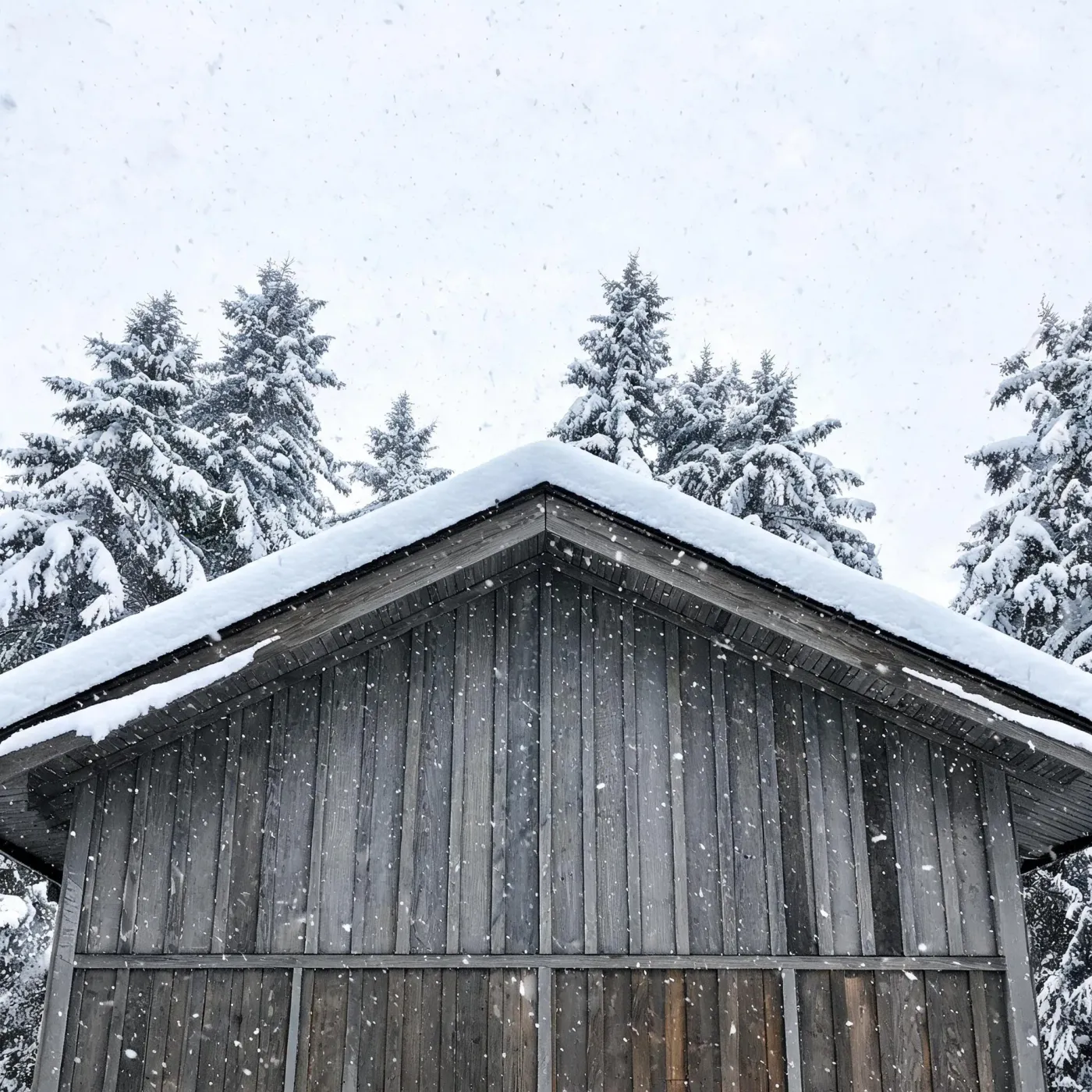
A furnace sized for this state is built to run long hours against a statewide average of 15°F on a winter night, cycling almost constantly to hold the house at temperature. That's steady work on the igniter, the inducer motor and the pressure switch, every night, all winter. When one of those parts wears out, the furnace won't just struggle, it'll stop. You'll notice the vents blowing cool air, or no air at all, within an hour of it quitting, because there's so little margin between the air outside and the air your house needs.
NOAA nClimDiv 1991-2020 county normals weighted by homes
A furnace that won't light or won't stay lit in a Montana winter comes down to a short list of parts: the igniter, the flame sensor, the pressure switch, the heat exchanger. You don't have to guess which one, and you don't have to wait out the cold while you figure it out. Send the form and that search is done for you. The next call is from a licensed contractor who already knows what you've told them about your furnace and your house, so there's no explaining the problem twice. You go back to keeping the house warm with a space heater or an extra layer, and the job of finding someone becomes someone else's. That's the part that lifts once the form is in. The furnace itself might need a new pressure switch or a flame sensor cleaned, might need more. Either way, the house doesn't have to stay cold while you sort out who to call.

After you send the request, you're done searching.