Profile view of a bearded man wearing a dark green baseball cap and a dark gray T-shirt against a plain light background.

How to lower your heating bill in a Montana winter

Tune-up, service, or cleaningFurnace or heatingMontana
Step 1 of 2

What ZIP code is the job in?

How do I lower my heating bill this winter in Montana?

Gas heats most Montana homes, and power here is cheap, so a high bill in January usually isn't about the rate. It's about the furnace working harder than it should, running longer cycles to make up for something small that went wrong. A homeowner who checks on things before they turn into a bigger problem wants to know which small things are actually driving the bill up.

Keep the furnace running clean and the heat where you need it

A furnace that's clogged, misfiring, or losing heat up a leaky duct run has to stay on longer to hit the same temperature, and in Montana that gap shows up fast once it's cold from October through March. A dirty filter makes the blower work harder for less air. A pilot or igniter that's struggling can cause short cycling, where the furnace turns on and off more than it should and burns gas without heating evenly. Loose duct joints send warm air into the attic or crawlspace instead of your rooms. None of these cost much to fix on their own, but left alone through a Montana winter, each one adds hours of extra runtime a week, and that's what shows up on the bill.

A beige high-efficiency furnace in an unfinished basement, with white PVC vent pipes, a yellow gas line, metal ductwork, and exposed wood framing on a concrete floor.
A furnace running clean gas and even heat, cycling on and off the way it's built to, keeps your January bill close to what you paid last year.
An older beige furnace with two louvered vent panels stands on a concrete basement floor, connected to galvanized ductwork and a metal flue pipe, with gas piping and flexible conduit on the wall behind.
A furnace forcing heat through a clogged filter or dirty burner runs longer each cycle and pushes your gas use well past what the house actually needs.

How your furnace actually fires

  • Cold air coming back to the furnace crosses a flame or a hot surface at the igniter before the blower pushes it through the ducts.
  • A furnace cycles off not on a timer but when a sensor reads the air past the heat exchanger as warm enough.
  • The flame sensor is a thin metal rod that has to see the flame directly or the gas valve shuts down within seconds.
  • A dirty burner flame turns from blue to yellow, and that yellow flame leaves soot on the heat exchanger instead of heat in your ducts.
  • The inducer motor has to pull exhaust out before the igniter ever gets a signal to fire, so a blocked vent stalls the whole start.
  • Static pressure from a clogged filter makes the blower motor draw more power to push the same amount of air through your ducts.

Start to finish, a gas furnace runs through the same sequence every time it fires. The thermostat calls for heat, and the inducer motor starts first, clearing exhaust out of the heat exchanger before anything else happens. Once that motor proves it's running, the igniter gets its signal and glows hot enough to light the gas. The burner flame should burn blue and steady. A flame sensor, a thin rod sitting right in that flame, confirms it's actually burning. If that rod doesn't see fire within a few seconds, the gas valve shuts and the furnace stops rather than fill your house with unburned gas. Once the flame is confirmed, the blower kicks on and pushes air across the heat exchanger and out through your ducts. The furnace doesn't run on a clock. It runs until a sensor downstream reads the air as warm enough, then shuts the gas valve and lets the blower finish pushing out the last of the heat. Every step in that chain depends on the one before it staying clean. A blocked vent stalls the inducer. A sooted sensor can't see the flame it's supposed to confirm. A clogged filter makes the blower strain to move the same air. None of these stop the furnace outright, but each one makes the cycle before it longer, and longer cycles are what shows up on your gas bill in January.

A smiling man in a navy long-sleeve shirt sits at a wooden table in a kitchen and dining area, with a ceramic mug, a potted plant, and a sliding glass door behind him.
A smiling bearded man in a green henley shirt stands at a kitchen island with a gray mug, looking off to the side, with a dining area and shelves blurred behind him.
A smiling bearded man in a navy sweater sits at a white kitchen island with a ceramic mug, with open shelves, potted plants and a range hood behind him.
A smiling man in a dark olive long-sleeve shirt sits in a kitchen beside a counter with a dark mug, with a dining table, sideboard and hallway visible in the blurred background.

Most of what drives up a January bill in Montana shows up first as longer runtimes, not a higher rate. A dirty filter makes the blower work harder for the same amount of heat, and that shows up on the meter before you notice anything else. A weak flame sensor can cause the furnace to shut off early and fire again minutes later, burning gas without ever warming the room. Dust built up on the burner or heat exchanger keeps the furnace running past the point where the house should already feel warm. Air leaking out through a cracked duct joint heats your attic or crawlspace instead of your living room. None of these show up as a single failure. They show up as a furnace that runs longer than it did last year for the same cold outside, and a bill that climbs along with it. Left alone through a full winter, the part under the most strain is often the one that fails on the coldest week, right when you're counting on it most.

What a strained furnace costs you

  • A dirty filter forces the blower to run longer each cycle, and that extra runtime shows up directly on your gas meter.
  • A furnace short-cycling from a weak flame sensor wastes gas every time it fires and shuts off before the house warms up.
  • Dust on the burner or heat exchanger makes the furnace work past the point where your thermostat should have satisfied the room.
  • A cracked or loose duct joint lets heated air escape into the attic or crawlspace before it ever reaches your living room.
  • Skipping a season of maintenance means a worn part can fail on the coldest week, when you need the furnace most.
  • A furnace that runs longer than it used to for the same temperature outside is already telling you something is wrong.
A man in a blue T-shirt sits on a light gray sofa, laughing while looking at an open laptop in the foreground, with a framed picture, lamp and potted plant behind him.
A bearded man in a blue and brown plaid flannel shirt stands indoors looking out a window at snow-covered trees, with a ceramic mug on the windowsill.

Let someone else find the pro

A Montana winter doesn't give a furnace many days off. From October through April it's running almost every day, and a furnace that's drifted out of tune spends that whole stretch burning more gas than it needs to just to keep the house at the temperature you set. Checking the filter yourself catches part of that. It doesn't catch a flame sensor reading weak, a burner running dirty, or a blower pulling more power than it should, and those are the things that quietly push a gas bill up month after month without anything in the house seeming wrong. Someone who services furnaces in Montana all winter sees these same few failures over and over and knows which ones are driving your bill before they open the cabinet. Sending the request means one local contractor looks at your furnace, not a handful of them calling you back. With the cold months already here, getting it looked at now is worth more than waiting to see how high January gets.

A furnace burns gas to make heat, not to make flame. A bigger flame from a dirty burner doesn't warm the house faster, it just burns more gas to push the same heat through a dirty filter.

That's why a tuned furnace and a neglected one can use the same amount of gas to heat two different houses, or very different amounts of gas to heat the same house.

An older gas furnace with two louvered front panels stands on a concrete basement floor beside galvanized sheet-metal ductwork, pipes, and a weathered concrete wall.
Before you get your furnace maintenance
A gray high-efficiency furnace in a basement, connected to sheet-metal ductwork on the left and white PVC vent pipes above, with black gas and drain piping and an exposed wood-stud wall with OSB sheathing on the right.
After you get your furnace maintenance
A gray high-efficiency furnace with white PVC vent pipes stands against a concrete basement wall beside sheet-metal ductwork, a small condensate pump on the floor, and exposed wood framing at left.

Furnace running clean

This is what a furnace should look like after maintenance. The burner fires even, the filter's clear, and the flue runs straight out through the PVC pipe. It cycles on, heats the house, and shuts off on schedule, pulling only the gas it needs to do that.

A gray sheet-metal furnace with flue pipe and adjacent ductwork stands against a stone basement wall on a concrete floor, with white PVC and metal pipes running nearby.

Furnace working overtime

Older mechanical room, same job to do, but nothing's been checked in a while. Gas lines and flex tubing feed a burner that's likely coated in dust, pushing heat through a filter that's slowing the air down. It runs longer to hit the same temperature, and the meter shows it.

Skip Maintenance or Get It Serviced

Skip maintenance

  • A furnace that doesn't get checked keeps running on a dirty filter and a weak flame sensor until one of them fails outright, usually on a cold night.
  • You keep paying for the extra gas a clogged burner and a labored blower use, month after month, without knowing that's what's driving the bill.
  • Small problems like a drifting flame sensor or a dirty flue don't fix themselves, they get worse the longer the furnace runs on them.
  • A breakdown in January means going without heat until a contractor can get out, not a scheduled visit on your own time.
  • You find out something's wrong from a cold house or a gas bill that jumped, instead of from a tech who caught it early.

Get it serviced

  • A licensed local contractor checks the burner, the filter, and the flame sensor before any of them cause a breakdown or a higher bill.
  • Someone who works on furnaces all winter in Montana knows what usually goes wrong here first, the flame sensor, the filter, the flue.
  • You send one request and it goes to one contractor, not a handful of companies competing for the job.
  • Catching a dirty burner or a weak sensor now means the furnace runs the rest of the winter the way it's supposed to.
  • A furnace that's been checked keeps your January gas use close to what you paid last year instead of climbing on its own.
Snow-covered gable roof of a dark brown vertical board-and-batten house during falling snow, with snow-laden conifers behind it under a pale gray sky.

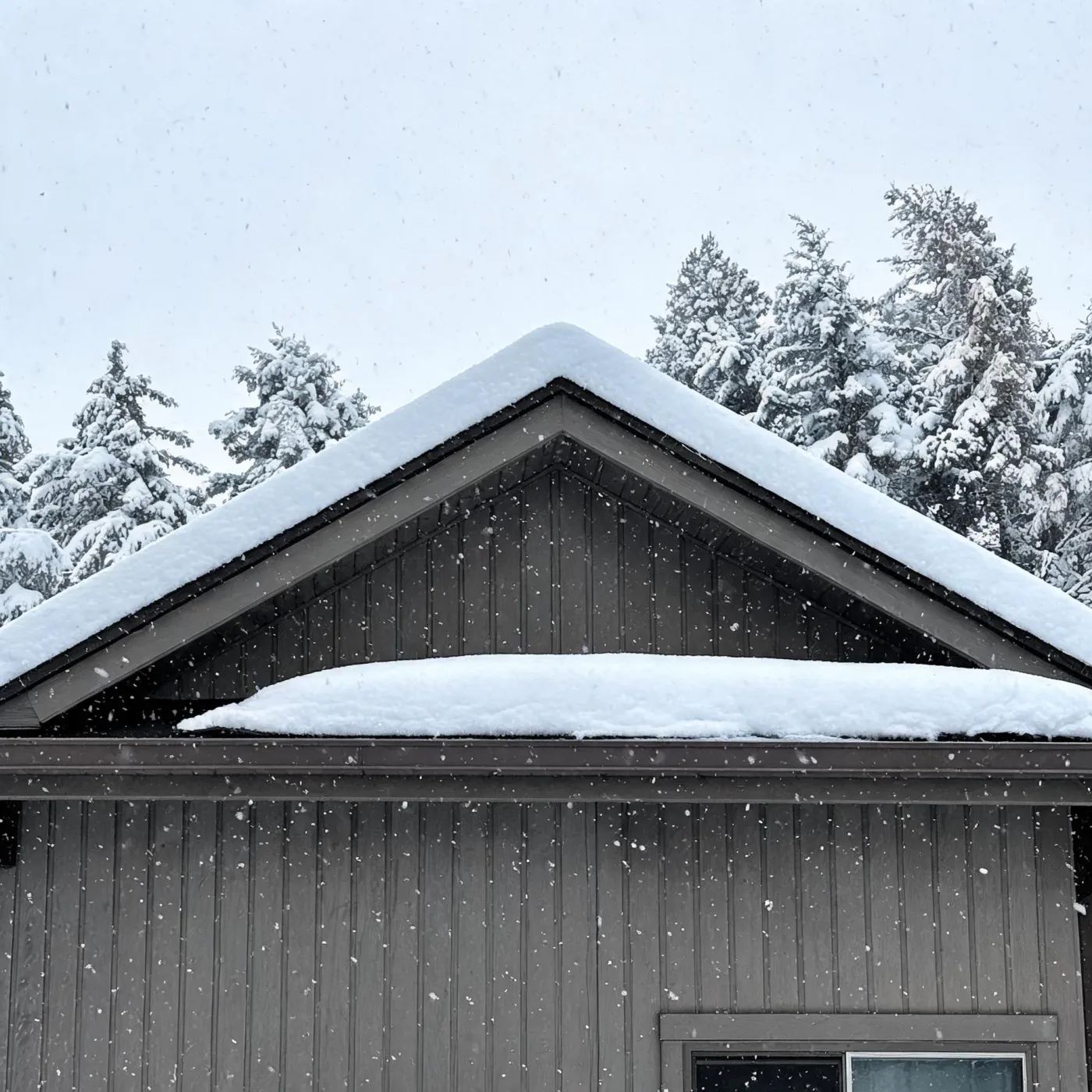
Statewide, winter nights average 15°F. At that temperature your furnace isn't cycling on for a few minutes and shutting off anymore. It's holding a long, steady burn to keep the house from losing ground overnight, and the colder the air coming back to it, the longer each cycle runs to bring it up to temperature. A clean burner and a clear filter move through that cycle fast. A dirty one drags it out, and you feel that as a furnace that seems to run half the night and a house that's still only just warm by morning. Source: NOAA.

NOAA nClimDiv 1991-2020 county normals weighted by homes

Why does your furnace room feel different lately

Stand near the furnace while it's running and you'll notice things you didn't before. The burner flame looks more orange than blue, or it's uneven along the row. The blower runs longer than it used to before the house feels warm. You might hear a rattle from the cabinet or notice dust built up on the return grille. Some rooms take longer to warm than others, even with the thermostat set the same as last year. None of this is dramatic, which is why it's easy to let go. But a furnace running this way through a Montana winter is burning gas the whole time it's off its tune, and if the flame sensor or igniter is the part wearing out, it's usually a cold night that finds out first.

  1. A technician pulls the filter and checks it against the light.

  2. The burner assembly comes out for a close look at each flame.

  3. The flame sensor gets cleaned of the film that builds on it.

  4. The igniter is tested for a steady glow, not a weak flicker.

Winter nights average 15°F statewide

At 15°F, your furnace is pulling cold air back for hours at a stretch, not just in short bursts. A dirty filter or a weak flame sensor has to work through that same long stretch, and the extra gas it burns adds up fast over a whole night.

NOAA nClimDiv 1991-2020 county normals weighted by homes

A furnace that keeps a clean filter and a steady flame sensor through the winter is one that doesn't surprise you with a high bill or a cold morning. That's the whole answer: catch the small wear before it turns into longer cycles and more gas burned for the same heat. A local contractor who services furnaces all winter in this kind of cold knows which part usually goes first in a Montana house, the flame sensor or the igniter, and checks it before it fails on a night when you need the heat most. You'll be matched with one contractor, not a handful calling at once, so the person who shows up is someone who works on this equipment every season and already knows what to look for. Where you stand now is simple. Your furnace is either running clean or working harder than it should, and the only way to know which is to have someone look.

A dark wood cabinet with a paneled door and a ceramic pot of green foliage on top stands in a beige-walled room with white baseboard, a window at left, hardwood floor, and a patterned area rug.
A dark wood glass-front cabinet holding folded towels, woven baskets and a ceramic vase stands in a bathroom corner beside a window, with a potted fern and stacked towels on top and a freestanding tub partly visible at left.
A woven basket holding a green cushion and a cream fringed knit throw sits on a wood floor in a room corner beside a window and a dark wooden cabinet.
Corner of a room with a dark wood cabinet topped by a round vase, a linen curtain at a window, white baseboard, oak plank flooring with sunlight patches, and a woven jute rug in the foreground.
A dark wood sideboard against a pale wall holds a shallow stone bowl and a round ceramic vase with leafy branches, with sunlight from a curtained window falling across the wall, wood floor and woven rug.

One request and it's handed off

A licensed local pro takes the request for your furnace tune-up.

Hand it over

You only hire the pro if you want to.