

Mold in air ducts in Billings, MT
Get matched with a Yellowstone County pro who cleans ducts.
Get matchedCan mold actually grow inside my air ducts?
You've seen dark spots near a vent or caught a musty smell when the furnace kicks on, and now you're wondering if mold is actually living inside the ductwork itself, not just somewhere else in the house. It's a fair thing to want settled, since the ducts carry air through every room and you breathe what comes out of them.
Yes, if there's moisture in the ducts, mold can grow there
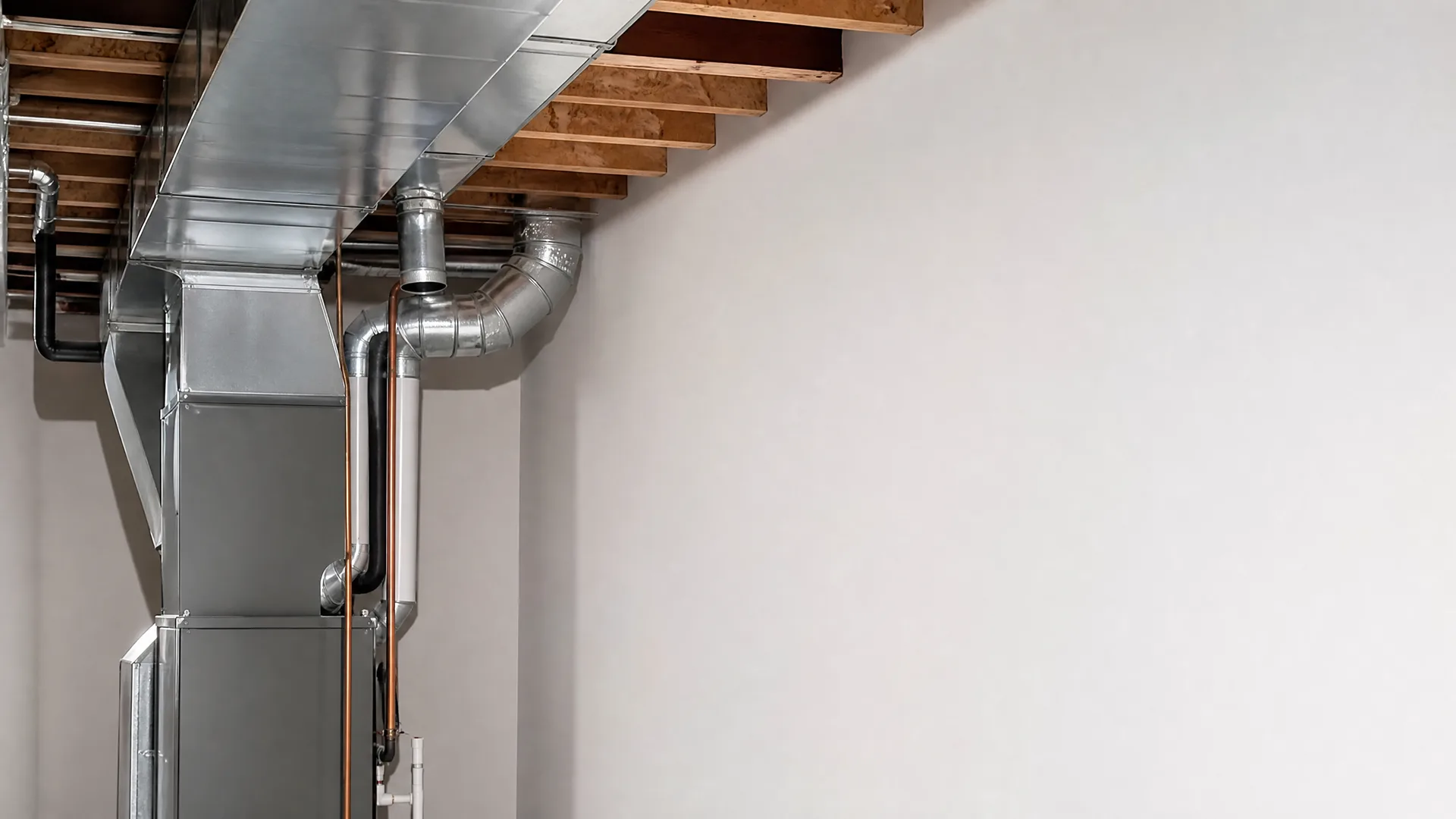
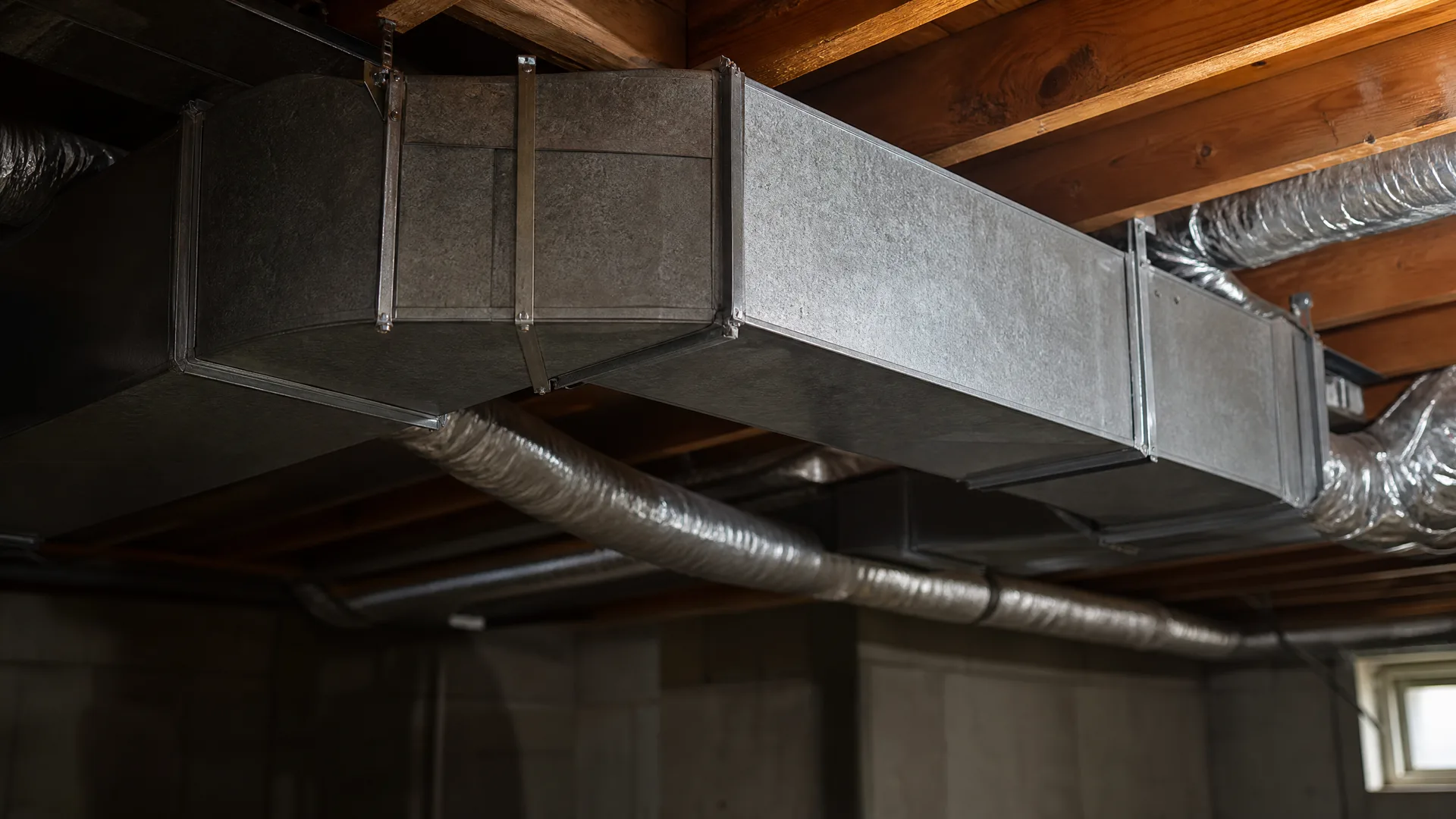
Mold needs moisture and something to feed on, and duct interiors can give it both. Dust and debris inside the duct work as a food source, and moisture gets in from a leaking vent, a condensation line that isn't draining right, or humid air meeting a cold metal duct in a crawlspace or attic. Summers in Billings run hot and dry, so the air itself isn't usually the problem. The moisture tends to come from somewhere specific: a duct running through an uninsulated space, a leak at a connection, or an AC coil that isn't draining the way it should. Once mold takes hold on the inside of a duct, it can spread along the ductwork and get pushed into the rooms the system serves every time the blower runs.
Why ducts hold onto moisture
Mold needs standing moisture to take hold, and ducts get it from a cooling coil that stays wet after the AC cycles off, or from a duct run that passes through a crawlspace or attic where condensation collects on the metal. Dust sitting on that damp surface gives mold something to feed on. Dry duct lines rarely develop it. Wet ones, especially where insulation has failed or a seam leaks, are a different story, and that dampness is what a cleaning has to address, not just the dust on top of it.
What a musty smell is telling you
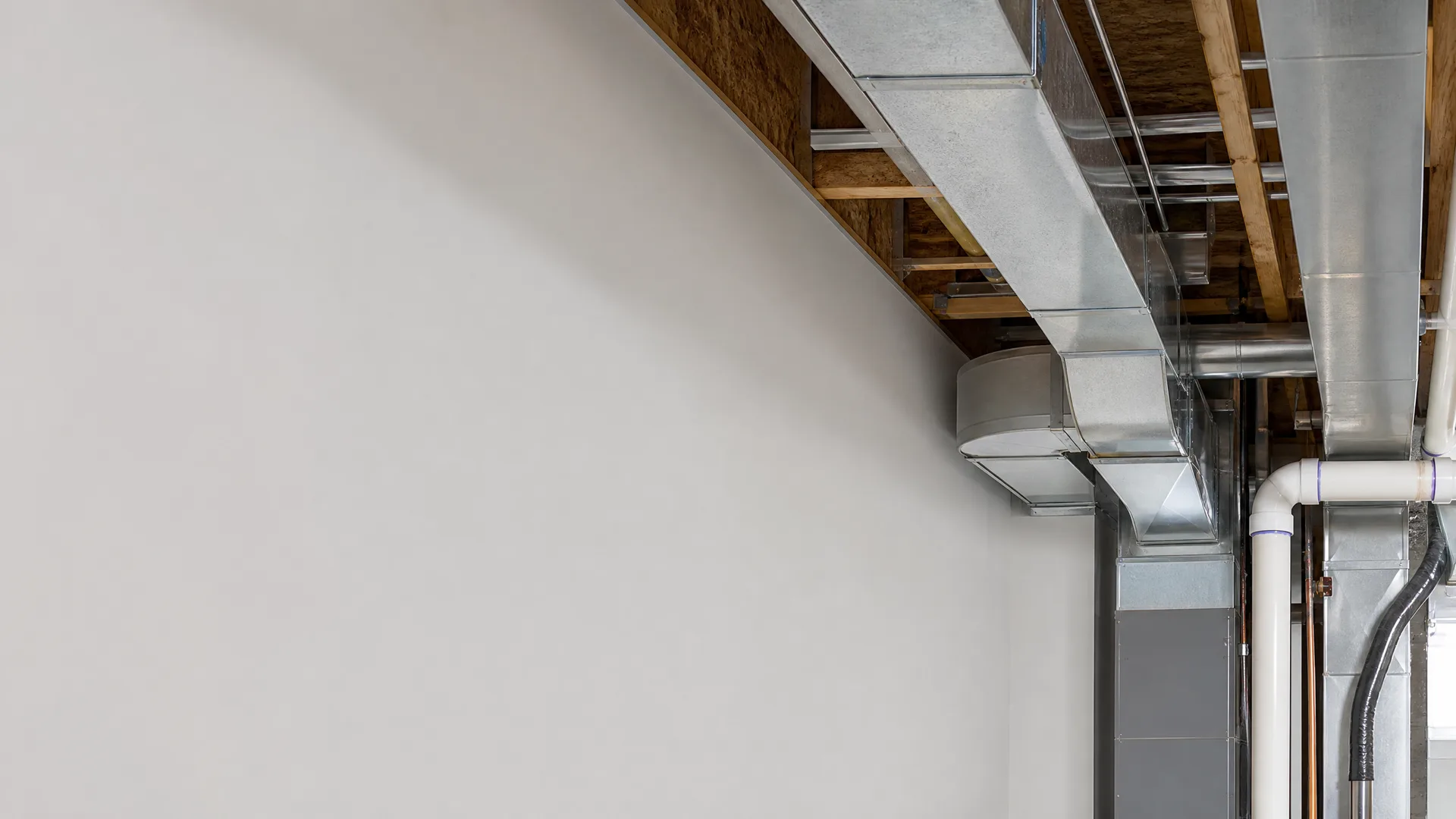
A musty smell when the furnace or AC kicks on usually means air is passing over mold or mildew before it reaches the room, not that the smell is coming from somewhere else in the house. If it fades within a minute of the system running and returns each time it cycles, that points back to the ductwork or the coil rather than a one-time source like a wet basement. Dark specks around a vent cover are worth photographing before any cleaning, since they show where the growth was concentrated.
Why does mold keep coming back in my ducts?
Half the homes here were built by 1982
Half the homes in Yellowstone County were built in 1982 or earlier. Ductwork that old has had decades to develop seams and gaps where moisture gets in.
Heat runs September through May
Furnaces here run September through May. That's nine months of air moving through the ducts, enough to carry mold spores to every room in the house.
Cooling runs July through August
AC runs July and August here. That's when the cooling coil stays wet and ducts nearby pick up the moisture mold needs to grow.
ACS 2020-2024 · NOAA nClimDiv 1991-2020
Checking it yourself versus a camera inspection
You can pull a vent cover and look with a flashlight, and if you see black or green growth on the metal within reach, that tells you something is there. What it won't tell you is how far it goes. Ducts run through walls, under floors, and into the attic or crawlspace, and most of that length is out of sight. A contractor can run a camera through the system and show you exactly where the growth starts and stops, and whether it's sitting in the coil, the plenum, or spread through the branch runs. That matters for Billings homes especially, since a duct run through an unconditioned attic or crawlspace is exactly where condensation collects unseen.
One vent versus the whole system
Mold near a single vent might mean a local problem, like a disconnected duct dumping humid crawlspace air into that one room. Mold showing up at several vents across the house usually points to the source, often the cooling coil or a main trunk line, pushing spores through the whole system every time the blower runs. Treating one vent when the source is further upstream means the smell and the spots come back within weeks. Knowing which case you're in changes what gets cleaned and what gets fixed, and it's the difference between a job that lasts and one you're paying for again next year.




Get matched with a duct system pro in Yellowstone County

Skip searching for someone who cleans ducts in Yellowstone County.
You only hire the pro if you want to.
Every time the furnace or the AC kicks on, the air carrying that mold moves through your whole house, not just the one room where you noticed the smell.
You're not smelling one room. You're breathing what's in the ducts, in every room the system reaches, every time it runs.
Power here costs 14.42 cents per kilowatt-hour
At 14.42 cents a kilowatt-hour, running a bathroom fan or an air scrubber to dry out a damp duct run costs little next to what a blower motor working through clogged, moldy ductwork pulls. A system fighting buildup draws more power just to push air through it.
EIA-861 2025
How a duct cleaning actually works
- A contractor runs a snake camera through the supply and return trunks to see mold past the first few feet of duct.
- Cleaning uses negative pressure, a vacuum connected to the trunk line that pulls debris and spores out instead of pushing them further into the house.
- Agitation tools knock growth loose from the metal walls before the vacuum draws it out, since a standing coat of mold won't just suction off.
- The evaporator coil and drain pan get checked too, since a damp coil keeps reseeding the ducts even after a cleaning.
- Flex duct that's absorbed mold into its inner liner usually gets replaced rather than cleaned, since the material holds moisture differently than sheet metal.
- A post-cleaning check with the same camera confirms the trunk lines are clear, not just the sections near the vents.
A real cleaning starts with a look, not a vacuum hose. A contractor feeds a snake camera into the supply and return trunks, because mold sitting a few feet past the register tells you nothing about what's living twenty feet down the line. Once the camera shows where the growth is, the trunk line gets connected to a vacuum running negative pressure, so air is pulled out of the ductwork rather than pushed deeper into it. Mold that's taken hold on sheet metal doesn't lift off on its own. Agitation tools work the walls of the duct first, knocking the growth loose, and the vacuum draws it out as it goes. The evaporator coil and the drain pan underneath it get checked at the same time, because a coil that's still holding moisture will reseed clean ductwork within weeks. Flex duct gets treated differently than sheet metal. Its inner liner absorbs mold rather than holding it on the surface, so a section that's taken on growth usually gets cut out and replaced instead of cleaned. Once the work is done, the same camera goes back through the trunk lines to confirm they're actually clear, not just the stretches near the vents where it's easy to check by hand. That's the difference between a cleaning that reaches the whole system and one that only handles what's visible from the register.
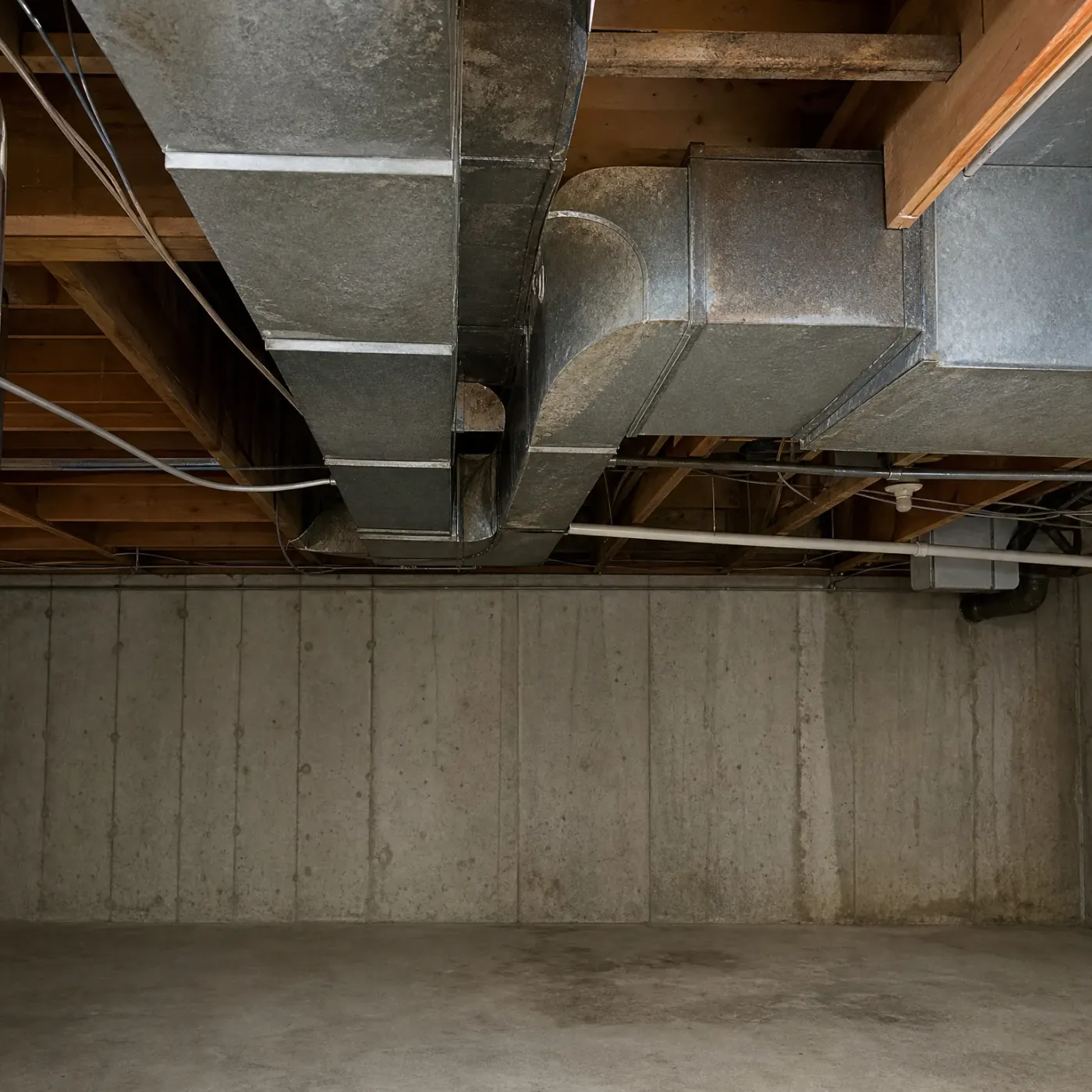
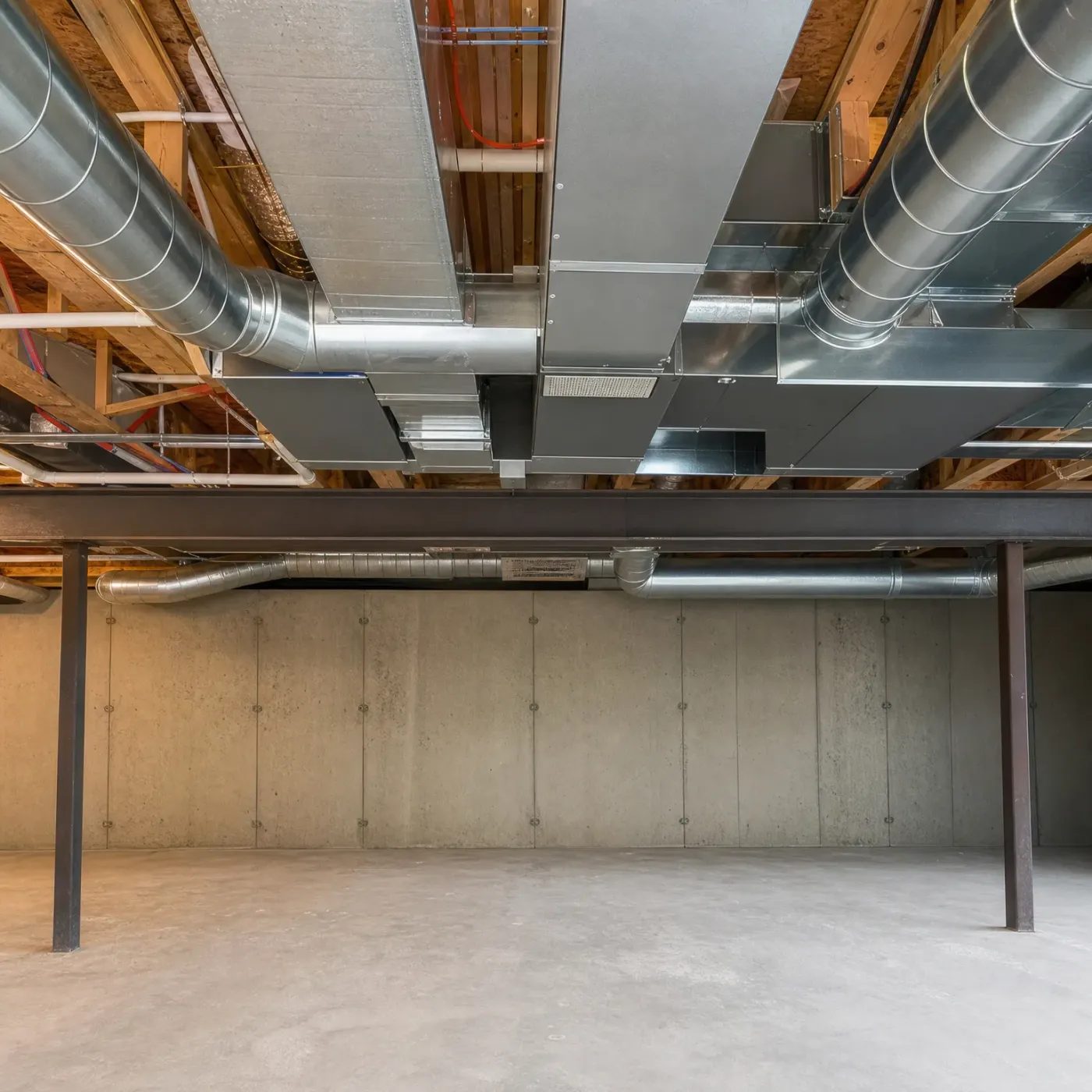
A real cleaning doesn't just run a hose down the nearest vent. A crew works through the system zone by zone, sealing off registers so the vacuum holds negative pressure and nothing gets pushed deeper into a branch line instead of pulled out. Before the vacuum reaches a section, agitation tools knock loose the spore clusters that have dried onto the sheet metal, since those don't just suction off. The return side gets more attention than the supply side, because that's the air coming back from the house, carrying moisture with it. The coil and drain pan get checked on their own, separate from the trunk lines, since mold sitting there will just reseed the ductwork once the cleaning's done. Flex connections and takeoffs get checked by hand too, because that's where small gaps let moisture in, the kind a camera can miss from a few feet away. At the end, air gets run through the whole system again to make sure everything that was loosened actually came out.
How a proper duct cleaning works
- A cleaning crew works in zones, sealing off registers one at a time so the vacuum stays under negative pressure the whole run.
- Agitation tools knock dried spore clusters loose from the sheet metal before the vacuum line ever reaches that section.
- The return side usually carries more growth than the supply side, since that's where moist house air gets pulled back in first.
- A contractor checks the coil and drain pan separately, because mold there will reseed the ducts even after the trunk lines are clean.
- Flex duct connections and takeoffs get inspected by hand, since that's where gaps let in the moisture a camera alone might miss.
- The final pass runs air through the system again to confirm nothing was pushed into a branch line instead of pulled out.


What would you actually notice if your ducts have mold?
You'd likely smell it before you see it, a musty, damp smell that's strongest right when the furnace or AC first kicks on, then fades as the air keeps moving. Look at the vent covers themselves. Dust that looks dark or slightly fuzzy, instead of plain gray, is worth a closer look. Some households notice more coughing or stuffiness indoors than outdoors, especially in rooms far from the main return. None of this tells you how bad it is inside the duct run itself, only that something is worth checking. Left alone, a damp duct keeps feeding the same spores back into the air every time the system runs, and anyone in the house with allergies or asthma tends to notice first.


A musty smell when the furnace kicks on, dark spots around a vent, a system that seems to draw harder than it used to. Put those together and the answer is mold somewhere in that ductwork, and a camera is the only way to find out how far it runs. Cleaning it out takes negative pressure and someone who knows how to work a duct system in zones, not a shop vac and a flashlight. Finding that contractor yourself means calling around, asking each one the same questions about how they inspect and what the cleaning involves, then sitting with a stack of quotes trying to tell a thorough job from a quick one. You've already spent evenings on this, reading about moisture and seams and spore counts. You don't need to spend more of them on the phone. What you need is someone who's run this job in Yellowstone County homes before, looking at your ducts and telling you straight what's in them.
Find a duct system cleaning pro in Yellowstone County