
HVAC Repair in Livingston, MT
If your system quits, tell us what it's doing and a licensed contractor who covers Park County will get in touch.
Tell us about the job
It takes about a minute.

Livingston asks a furnace to run every month of the year
There is no season off. Winter nights average 13°F from December through February, and the furnace answers to that cold for months straight, cycling on and off to hold the house. Summer afternoons only reach 73°F, so the cooling side barely gets called on. The heat side carries the load all year with no real break to recover between runs.
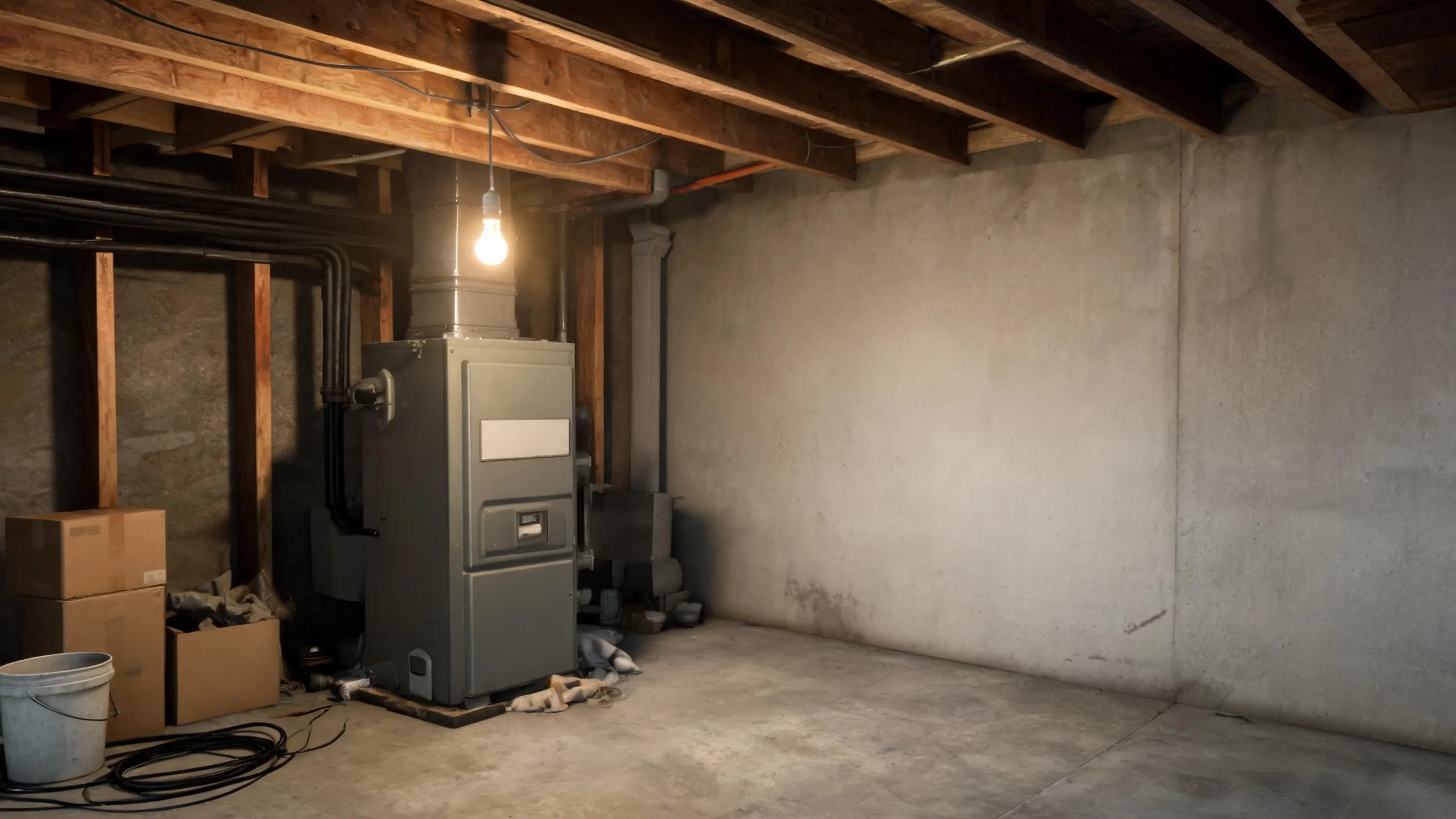
That steady demand wears on the parts that start the burner and keep it running, the igniter and the ignition control among them. Livingston also sits in country that gets hit hard, with 175 winter storms and 120 damaging wind events in the past ten years. Wind that strong can knock out power. Across Montana, 18% of households went at least 24 hours without power in 2024. When the power drops on a night that cold, the furnace stops with it, and most systems need that power back before they will fire again on their own.
- 13°F
- the average winter night it heats against
- 73°F
- the average summer afternoon it cools against
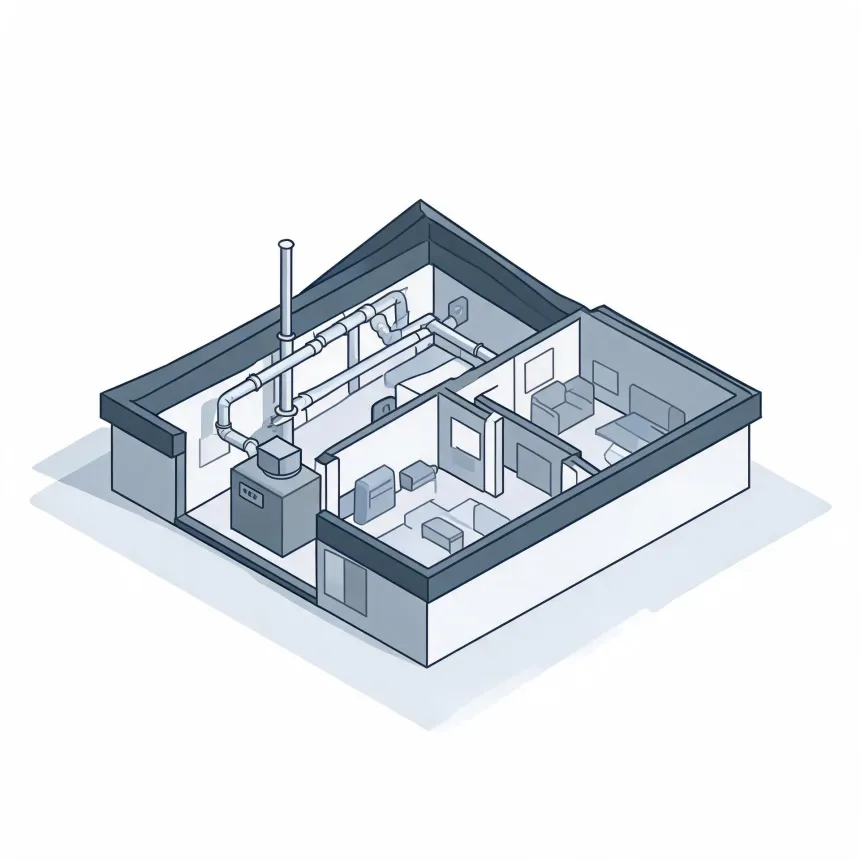
A new furnace and air conditioner would cut about $100 a year off heating and cooling for a typical Park County home.
Estimates for a typical Park County home, compared with an older unit built to the previous federal minimum, from EIA household energy data, Montana fuel prices and NOAA climate normals. Your home will differ.
Repair makes sense when one part has failed.
Replacement makes sense when the furnace's heat exchanger is cracked, the air conditioner's compressor has failed, or repairs keep coming.
Montana requires HVAC contractors to hold a state license.
The license belongs to the contractor, not to any single repair. The state tests and records the business and the people working under it, and that record stands behind every job that contractor takes on, not just this one.
Montana draws a line at $2,500. If this repair comes in under that amount, the job does not need a licensed contractor at all. Above it, the license is what stands between you and the work being done by someone the state has never tested.
Source: Montana Legislature
- Why is my heat not working?
- Start with the thermostat. Make sure it is set to heat and the setpoint is above room temperature, since a setting bumped by accident is common and easy to fix. If that checks out, look at the furnace itself. Gas furnaces need power, gas, and a working igniter to fire, so a furnace that will not light at all often means the igniter has failed or the pilot went out. A furnace that lights but shuts off quickly can mean a dirty flame sensor or a clogged filter starving it of airflow. With nights here averaging 13°F in the winter, a heating failure turns into a real problem fast, so if the basics do not solve it, get a contractor out soon.
- Why is my system running but not cooling the house?
- This one is less common here since summer afternoons only average 73°F, but if your system is blowing air that is not cold, check the filter first. A filter clogged with dust blocks airflow across the coil and can make the whole system struggle. Check the outdoor unit too. If the coil outside is covered in debris or the fan is not spinning, that will stop the system from rejecting heat properly. If the filter is clean and the outdoor unit looks fine, the system likely needs a contractor to check refrigerant charge or the compressor.
- What can I check before calling for HVAC repair?
- Check the thermostat settings and batteries first, since a dead battery or a setting knocked off heat mode causes a lot of no-heat calls. Check your breaker panel next. A tripped breaker will shut the whole system down and resetting it is free. Look at the filter and swap it if it is dark with dust, since restricted airflow causes problems throughout the system. If the furnace has a standing pilot, check whether it is lit. Montana requires HVAC contractors to hold a state license, and a contractor can price the repair once they see what the furnace or system actually needs. If none of this gets your heat or air back, that is the next call to make.