
HVAC Repair in Bozeman, MT
If your system quits, tell us what it's doing and a licensed contractor who covers Gallatin County will get in touch.
Tell us about the job
It takes about a minute.
Ten months of heat asks a lot of your furnace
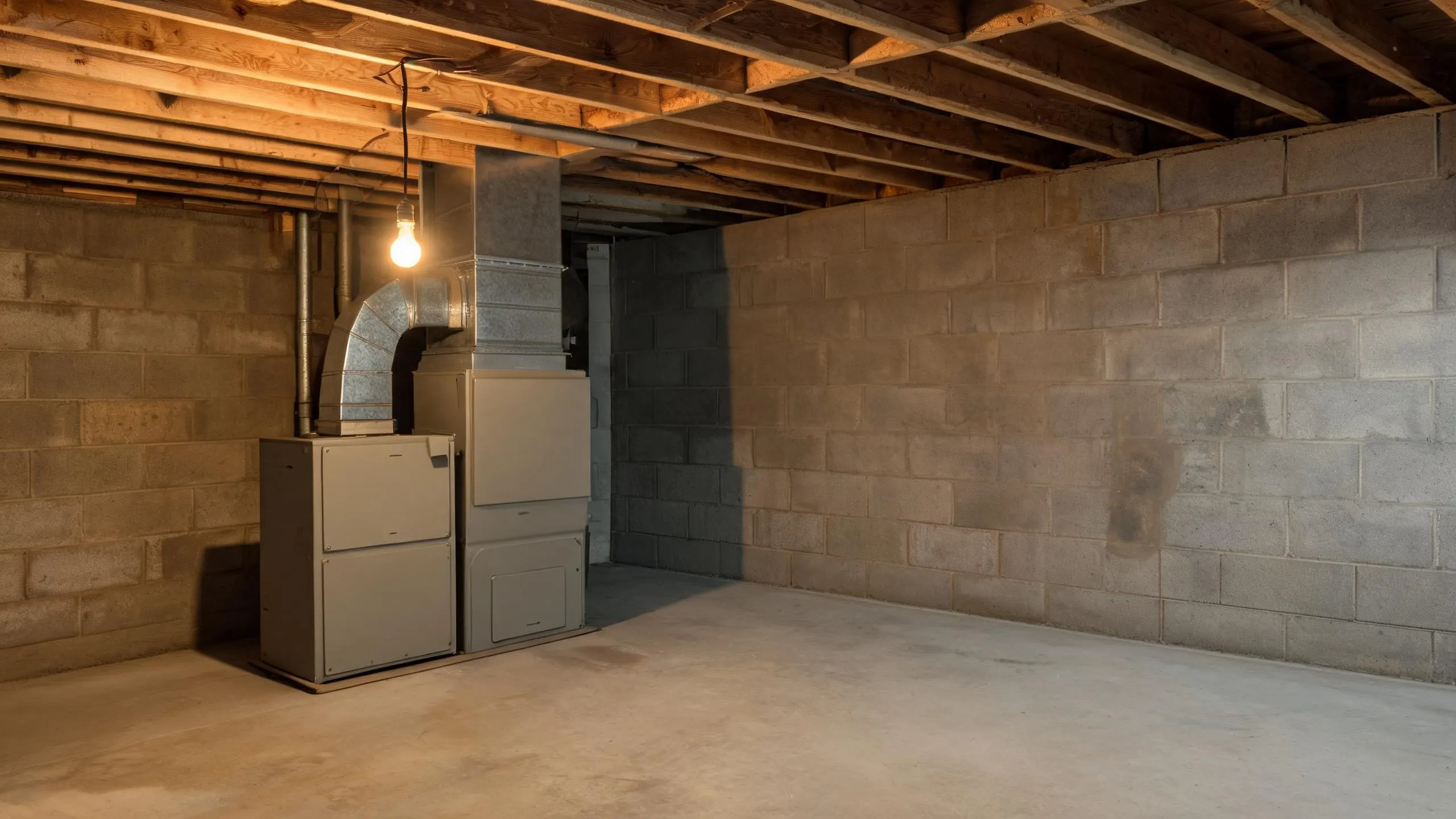
Gallatin County needs heat from September through June, ten months of the year. On nights that average 13°F, the burner cycles on and off again and again to keep the house warm, and each cycle puts wear on the igniter and the parts that control the flame. When one of those finally gives out, you notice fast, because outside it is 13°F and the house is not warming up.
Summer here barely asks anything of a cooling system, with afternoons averaging 74°F. But the same county that sees ten months of heating also sees real winter storms, 124 of them over the last ten years, along with 77 damaging wind events. Storms like that knock out power, and 18% of Montana households went at least a day without it in 2024. A furnace that was already working hard does not get any easier to fix once the power drops on a night this cold.
- 10 months
- September through June, your system heats
- 13°F
- the average winter night it heats against
- 74°F
- the average summer afternoon it cools against
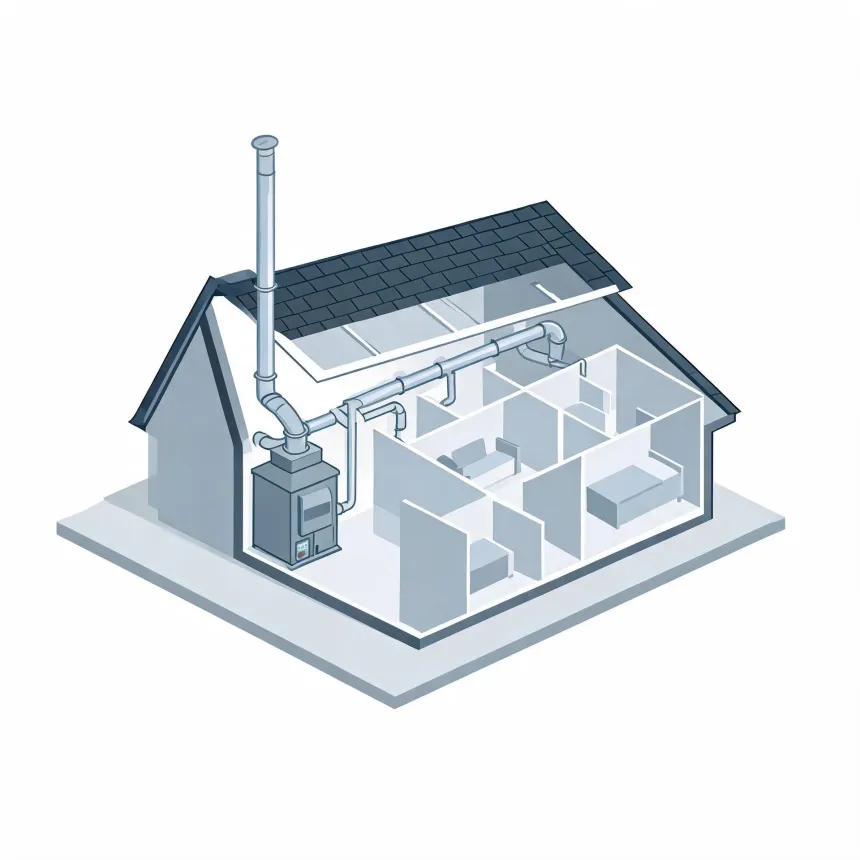

A new furnace and air conditioner would cut about $100 a year off heating and cooling for a typical Gallatin County home.
Estimates for a typical Gallatin County home, compared with an older unit built to the previous federal minimum, from EIA household energy data, Montana fuel prices and NOAA climate normals. Your home will differ.
Repair makes sense when one part has failed.
Replacement makes sense when the furnace's heat exchanger is cracked, the air conditioner's compressor has failed, or repairs keep coming.
Montana requires HVAC contractors to hold a state license.
Montana licenses HVAC contractors through the Department of Labor and Industry. The license belongs to the contractor, not to any single job, so the same license covers this repair and the next one after it.
For this job, that license is what stands behind the work. Montana does exempt small jobs. Work under $2,500 does not need a licensed contractor. A heating and cooling repair above that amount falls under the license.
Source: Montana Legislature
- Why is my heat not working?
- Start with the thermostat. Check that it is set to heat, not cool, and that the setpoint is above room temperature. If that looks right, check the breaker for the furnace and the switch near the unit that looks like a light switch, since that one gets bumped by accident and shuts the furnace off completely. A furnace that won't fire at all is often the igniter or the flame sensor, and both wear out with age. At 13 degrees on a winter night here, don't wait on a furnace that's out.
- Why is my system running but not cooling the house?
- Check the air filter first. A filter clogged with dust blocks airflow across the coil, and the coil can ice up when that happens, which makes the problem worse the longer the system runs. If the filter is clean, check that the outdoor unit is actually running and the fan is turning. A system that runs but never cools is usually low on refrigerant or has ice built up on the coil, and neither of those is something the thermostat can fix.
- What can I check before calling for HVAC repair?
- Check the thermostat settings and its batteries first. A dead battery can look exactly like a dead furnace. Check the breaker panel for a tripped breaker and check any shutoff switch near the furnace or outdoor unit. Look at the air filter and replace it if it's gray or clogged, since restricted airflow causes problems that look like bigger failures than they are. If the system still isn't working after that, a licensed contractor will need to look at it and price the job for your house.