
HVAC Repair in Boulder, MT
If your system quits, tell us what it's doing and a licensed contractor who covers Jefferson County will get in touch.
Tell us about the job
It takes about a minute.
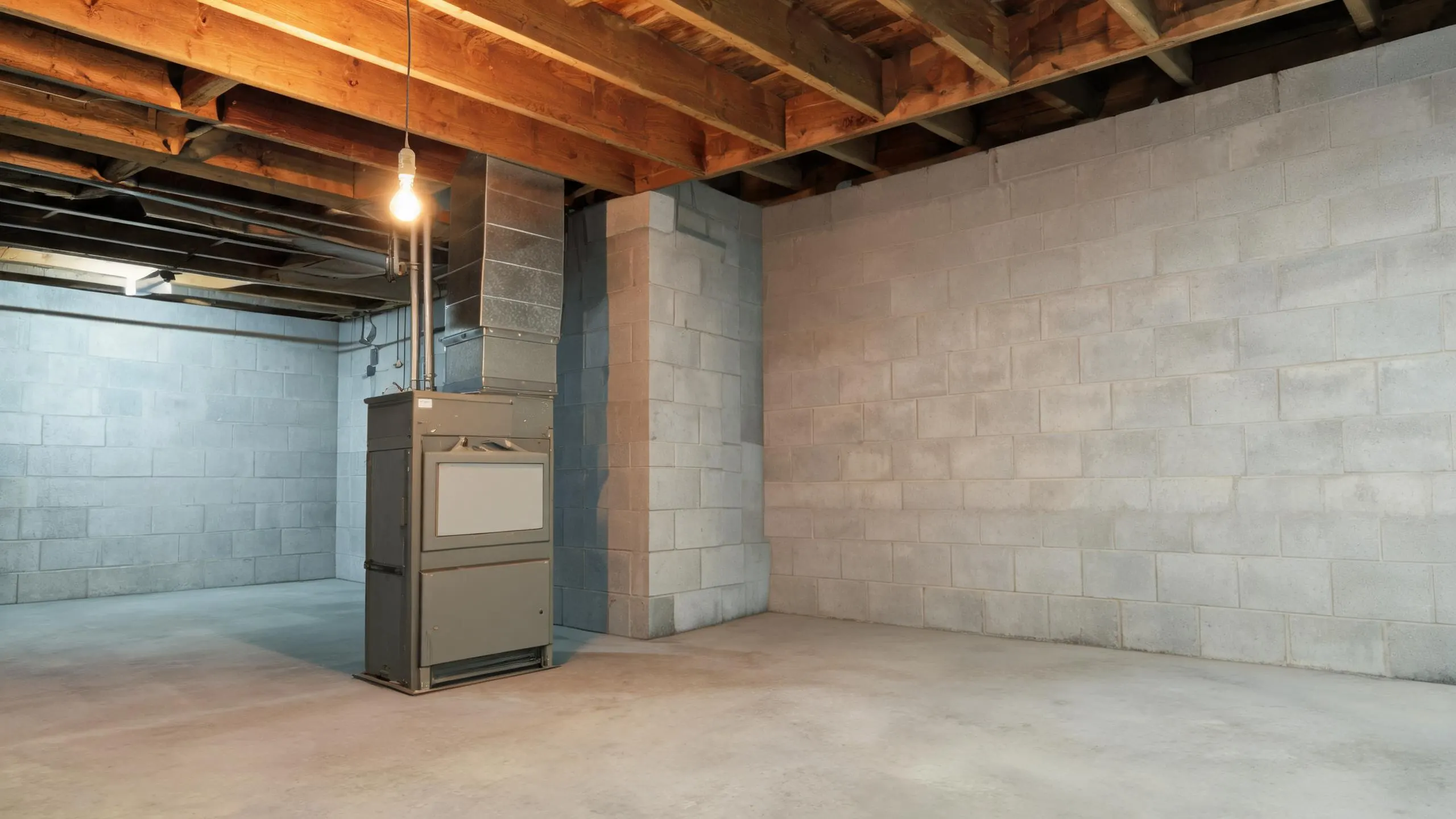
Ten months of heat and 15 below zero to run it against
Your furnace runs September through June here, ten months of the year. Winter nights average 15°F, so the burner is lighting and shutting off many times a night to hold the house at temperature. That cycling wears on the igniter first, and when it fails the burner will not light at all.
Cooling barely enters into it. Summer afternoons average 74°F, mild enough that the air conditioner does little work. Almost everything that fails in a system here fails because of the cold, not the heat.
Montana also sees its share of winter storms, 16 of them over the last ten years, along with 10 damaging wind events. Power loss during one of these hits hardest on a furnace that already needs to run most of the night to keep up.
- 10 months
- September through June, your system heats
- 15°F
- the average winter night it heats against
- 74°F
- the average summer afternoon it cools against

A new furnace and air conditioner would cut about $100 a year off heating and cooling for a typical Jefferson County home.
Estimates for a typical Jefferson County home, compared with an older unit built to the previous federal minimum, from EIA household energy data, Montana fuel prices and NOAA climate normals. Your home will differ.
Repair makes sense when one part has failed.
Replacement makes sense when the furnace's heat exchanger is cracked, the air conditioner's compressor has failed, or repairs keep coming.
Montana requires HVAC contractors to hold a state license.
The license is issued to the contractor, not to the job. It travels with the company across every repair they do rather than getting filed job by job. Montana's Department of Labor and Industry is the one that tested them and keeps that record. Work under $2,500 is the one exception, that work does not need a licensed contractor.
A repair on a heating and cooling system can fall on either side of that line depending on what the job turns out to need. Above $2,500, the license is what stands behind the work, issued by the state and tied to the contractor doing it. Below that line, Montana does not require the license, so whatever protection the reader has comes from the contractor they choose rather than a state record.
Source: Montana Legislature
- Why is my heat not working?
- Start with the thermostat and the breaker before you assume the worst. If the thermostat screen is blank or won't hold a setting, check the breaker panel first. A furnace that won't start at all often comes down to the igniter or the flame sensor, both of which wear out with normal use over the years. If the burners light but the air coming out is cool or weak, that points somewhere else, often the blower or a clogged filter cutting off airflow. With winter lows here dropping to 15°F, a furnace that's struggling is worth getting looked at fast rather than waiting to see if it clears up on its own.
- Why is my system running but not cooling the house?
- Check the filter first. A filter packed with dust chokes off airflow, and when air can't move across the coil, the house won't cool no matter how long the system runs. If the filter is clean, look at the outdoor unit. The condenser needs to be clear of leaves, grass clippings, and anything else blocking the coil, since it has to dump heat outside for the cooling to work at all. If both of those check out and the air still isn't cold, the system may be low on refrigerant, and that's a job for a licensed contractor since it means finding and fixing a leak.
- What can I check before calling for HVAC repair?
- Check the thermostat, the breaker, and the filter. Make sure the thermostat is set to heat or cool as needed and the batteries aren't dead. Look at the breaker panel for anything tripped, since a reset takes a minute and saves a service call for nothing. Pull the filter and hold it up to the light. If it's gray and packed with dust, swap it out, since a clogged filter causes problems that look like something bigger. If you've checked all of these and the system still isn't working right, a licensed contractor can take it from there and price the job once they've seen the system.