
HVAC Installation in Helena, MT
Tell us about the house, and a licensed contractor who covers Lewis and Clark County will get in touch.
Tell us about the job
It takes about a minute.
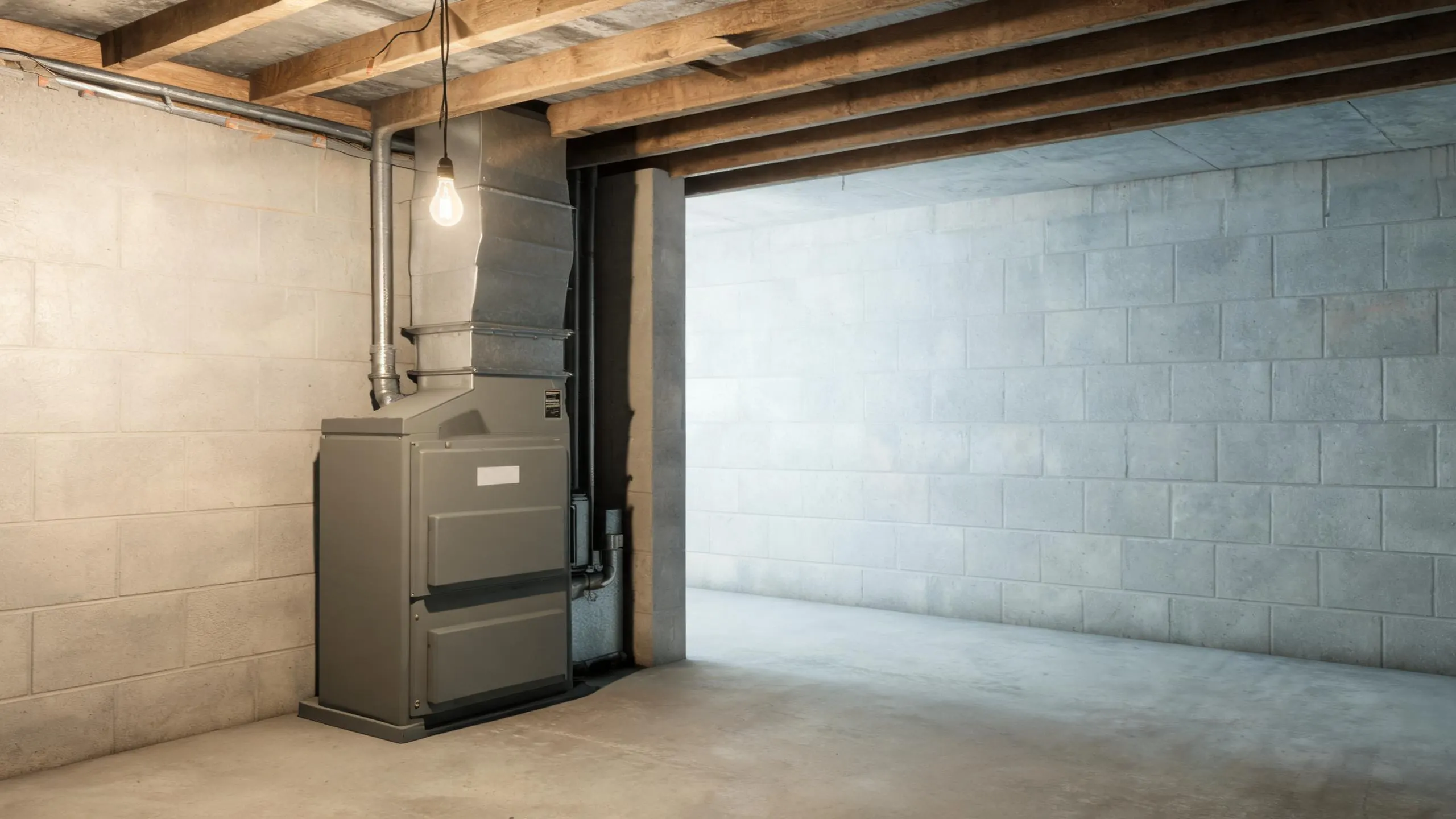
A furnace built for ten months of work
Helena asks a heating system to run from September through June. Winter nights average 15°F from December through February, and a furnace sized for that has to hold steady through months of hard cold, not just a few sharp weeks. Summer afternoons average 74°F, mild enough that cooling barely factors into the choice.
A new system installed here also has to meet the federal efficiency minimum for gas furnaces, since most homes in the area heat with gas. Wind and winter storms are common in this part of Montana, and outages happen. Whatever gets installed should come back on by itself once power is restored, without anyone needing to reset it by hand.
- 10 months
- September through June, your system heats
- 15°F
- the average winter night it heats against
- 74°F
- the average summer afternoon it cools against
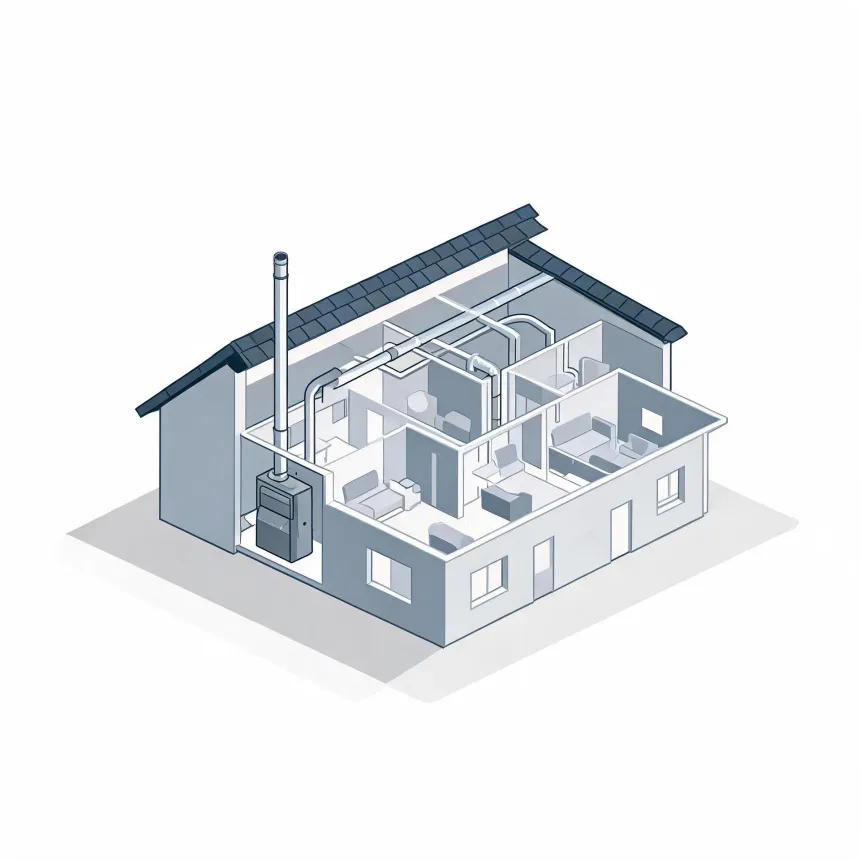
Montana requires HVAC contractors to hold a state license.
The license is held by the contractor, not tied to any single job, and it comes through the state's Department of Labor and Industry. Work under $2,500 falls outside that requirement, but a heating and cooling installation runs well past that mark, so the contractor doing this job needs the license.
Most cities and counties also require a permit for a job like this, with an inspection once the work is done. That inspection is separate from the state license. It is the point where someone checks the actual installation, the gas connections and the wiring, against local code before it gets signed off.
Source: Montana Legislature
- When should I replace my HVAC system?
- Once your furnace needs repairs more winters than not, replacement usually makes more sense than fixing it again. Age matters too. A furnace in Helena runs from September through June, so it logs a lot of hours over its life and wears faster than one that only runs a few months a year. If yours is old and the repair bills keep coming, especially with nights averaging 15°F here, it is worth having a contractor look at the whole system rather than patching the same part again.
- Should I replace my furnace and air conditioner at the same time?
- If both are old and original to the house, replacing them together is often simpler than doing one now and the other in a year or two. They share the same ductwork and often the same electrical connections, so a contractor can size and match both parts of the system in one visit instead of fitting a new furnace to an old, mismatched coil later. That said, if your air conditioner is still young and only the furnace is failing, there is no rule that says you have to replace a working unit early.
- What happens during an HVAC installation?
- A contractor removes the old furnace and air conditioner or heat pump, then sets the new equipment in place and connects it to your ductwork, gas or electric supply, and condensate drain. After that they run the system through its paces, checking airflow, refrigerant charge, and gas pressure or electrical draw depending on what was installed. In Helena, replacing this kind of system needs a permit from the local building office and an inspection once the work is done, so the contractor will also arrange that as part of the job.