
HVAC Installation in Great Falls, MT
A new system here will heat from September through June and cool from July through July every year. Tell us about the house, and a licensed contractor who covers Cascade County will get in touch.
Tell us about the job
It takes about a minute.
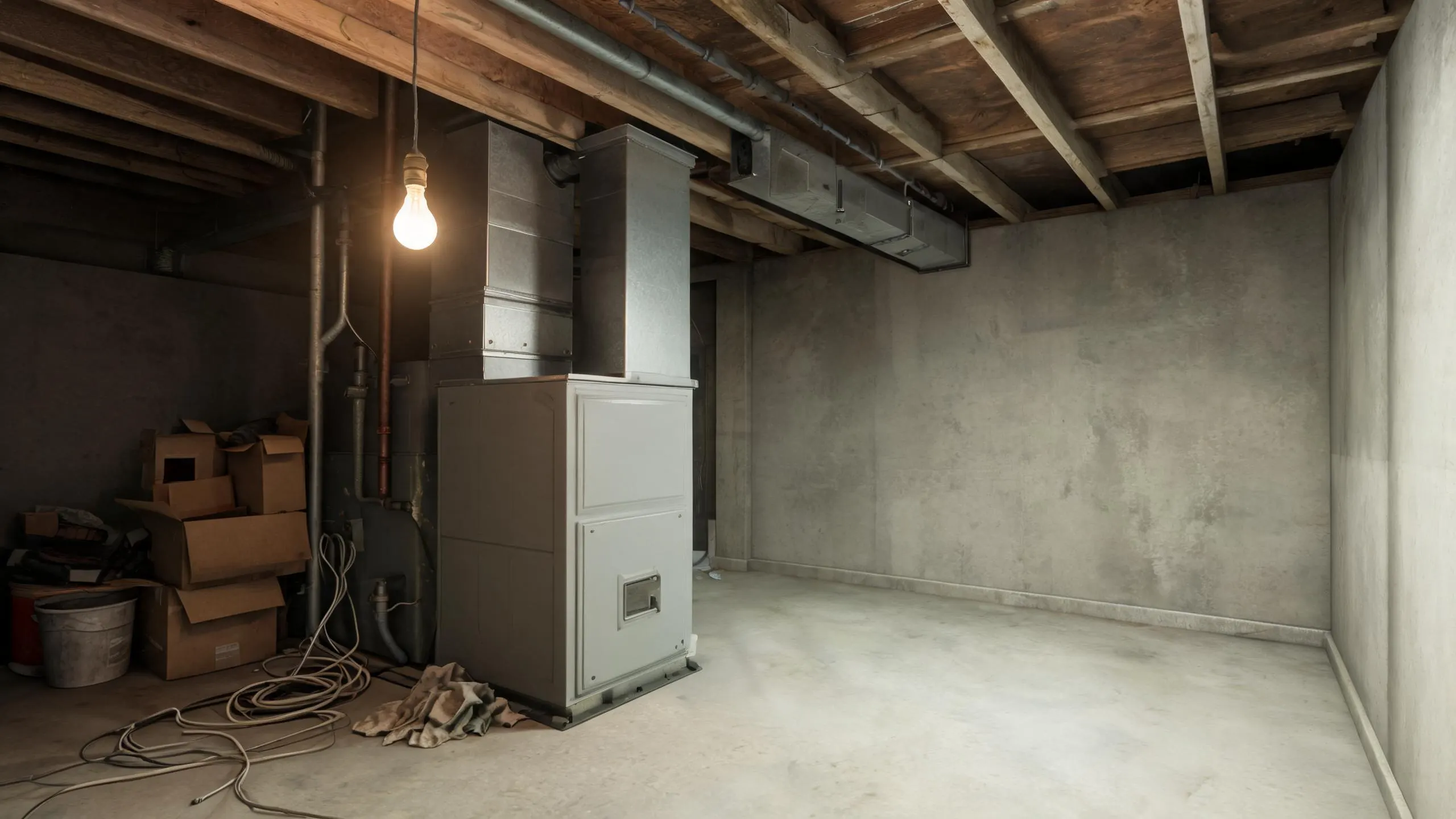
Ten months of heat, one month of cooling, and a lot of wind in between
Your furnace is the workhorse here. Winter nights average 16°F from December through February, and homes in Cascade County need heat from September through June, ten months of the year. That leaves July as the only month cooling carries the load, with afternoons averaging 78°F. A new system has to handle both jobs, but it will spend most of its life heating, not cooling.
A lot of homes here run on gas, and a new furnace still has to meet the federal efficiency minimum whatever the fuel. The bigger risk is what the weather does around the equipment. Cascade County has logged 32 winter storms and 134 damaging wind events over the past ten years, and statewide, 18% of households lost power for 24 hours or more in 2024. A new install is worth planning with that in mind, since a furnace that won't restart on its own after an outage means a cold house until someone resets it.
- 10 months
- September through June, your system heats
- 1 months
- July through July, it cools
- 16°F
- the average winter night it heats against
- 78°F
- the average summer afternoon it cools against
NOAA nClimDiv, 1991–2020 normals
Montana requires HVAC contractors to hold a state license.
The license is held by the contractor, not issued per job. It's the company's standing with the Department of Labor and Industry that's on record, not a one-time approval for your installation. Work under $2,500 falls outside this requirement, but installing a heating and cooling system runs well past that, so the contractor doing this job needs to hold that license.
Most cities and counties in Montana also require a permit from the local building office for a job like this, with an inspection once the work is done. That permit and inspection are separate from the state license, and they apply on top of it.
Source: Montana Legislature
- When should I replace my HVAC system?
- Once your furnace or air conditioner is breaking down more than once a season, or a contractor tells you the heat exchanger or coil is failing, it's time to replace it rather than keep repairing it. A system near the end of its life is a bigger risk to lose right when you need it most. Winter lows here average 16°F, and homes need heat from September through June, so a furnace that fails is not something you want to gamble on for long. If your energy bills have been climbing while the equipment runs more to keep up, that is usually the system telling you it's losing efficiency.
- Should I replace my furnace and air conditioner at the same time?
- If both are old, replacing them together is often the better route, but it depends on the condition of each one. Homes here need heat from September through June and cooling in July, so the furnace does far more work over a year than the air conditioner does. A furnace and AC installed at the same time are matched to work together properly, which matters for airflow and efficiency. If your furnace is failing now and your air conditioner still has good years left, a contractor can replace just the furnace and size it to pair with the existing AC.
- What happens during an HVAC installation?
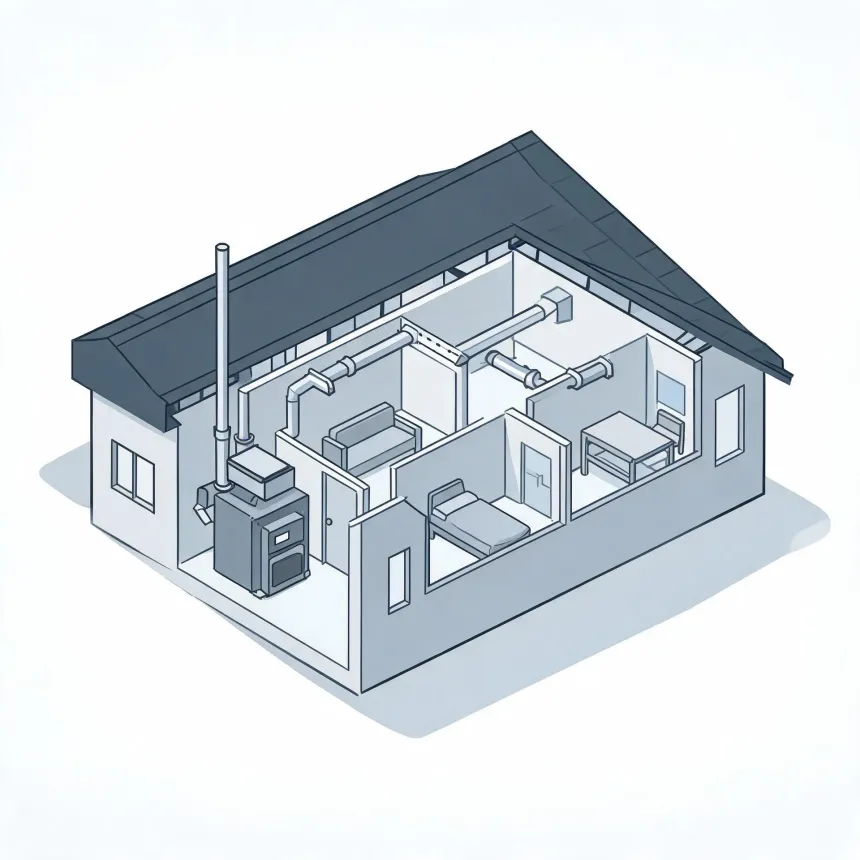
- A contractor first removes the old furnace and air conditioner, then sets the new equipment in place and connects it to your ductwork, gas line or electrical circuit, and the refrigerant lines. After that comes startup and testing, where the contractor checks gas pressure, airflow, refrigerant charge and thermostat operation before calling the job done. In most cities and counties, replacing a furnace or air conditioner needs a permit from the local building office and an inspection once the work is finished. Montana also requires the contractor doing the work to hold a state HVAC license, so it's worth confirming that before the job starts.