
HVAC Installation in Hamilton, MT
Tell us about the house, and a licensed contractor who covers Ravalli County will get in touch.
Tell us about the job
It takes about a minute.
Eleven months of heat, almost no cooling load
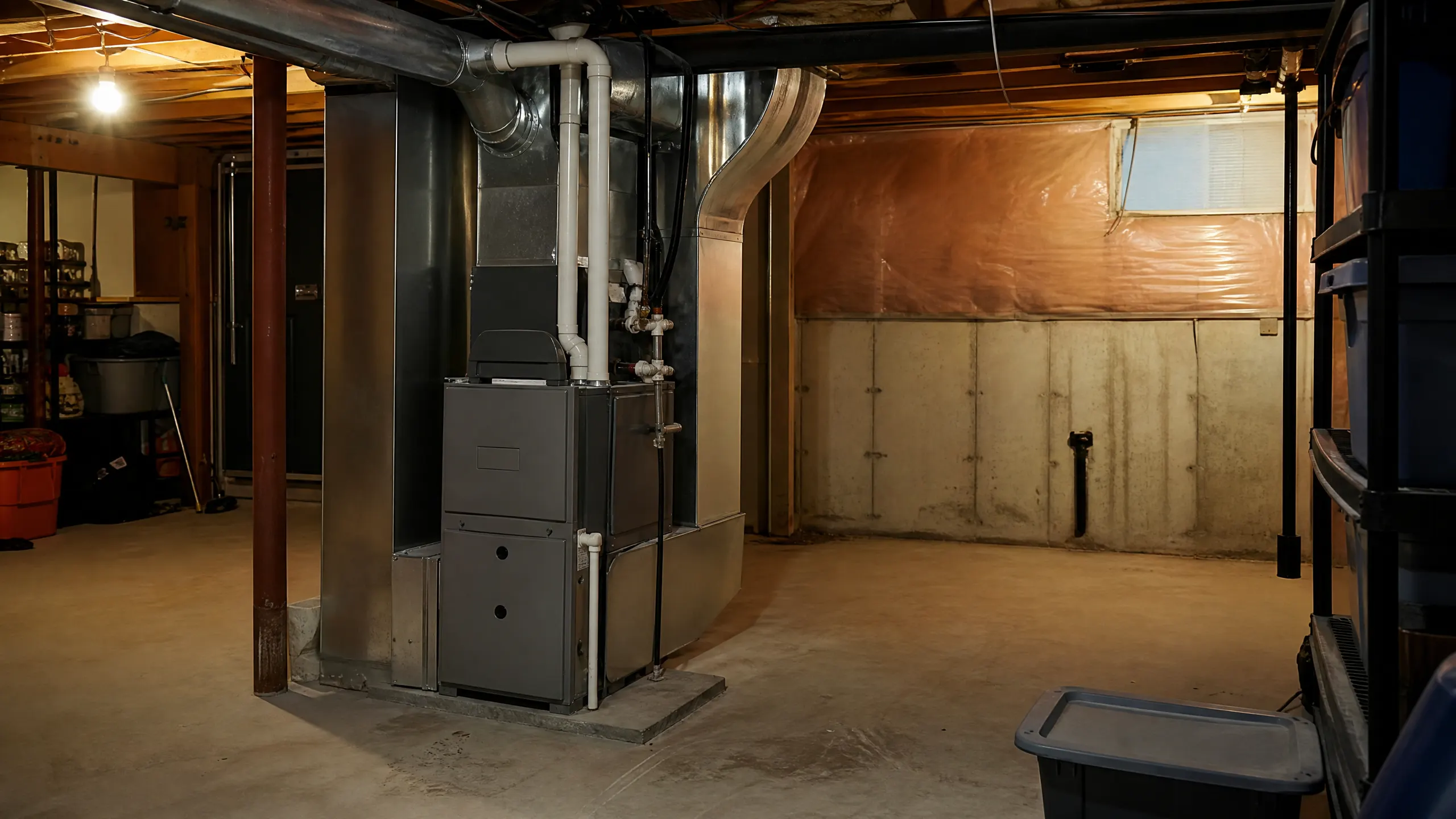
Hamilton needs heat from August through June, 11 months of the year. Winter nights average 16°F from December through February, so a new furnace or heat pump has to be sized for those lows. Summer afternoons average 73°F, which leaves little cooling load to plan around.
Ravalli County has logged 75 winter storms and 41 damaging wind events over the past ten years, and 18% of Montana households lost power for 24 hours or more in 2024. Worth asking your contractor how the system you choose holds up through a cold snap that comes with an outage.
- 11 months
- August through June, your system heats
- 16°F
- the average winter night it heats against
- 73°F
- the average summer afternoon it cools against
Montana requires HVAC contractors to hold a state license.
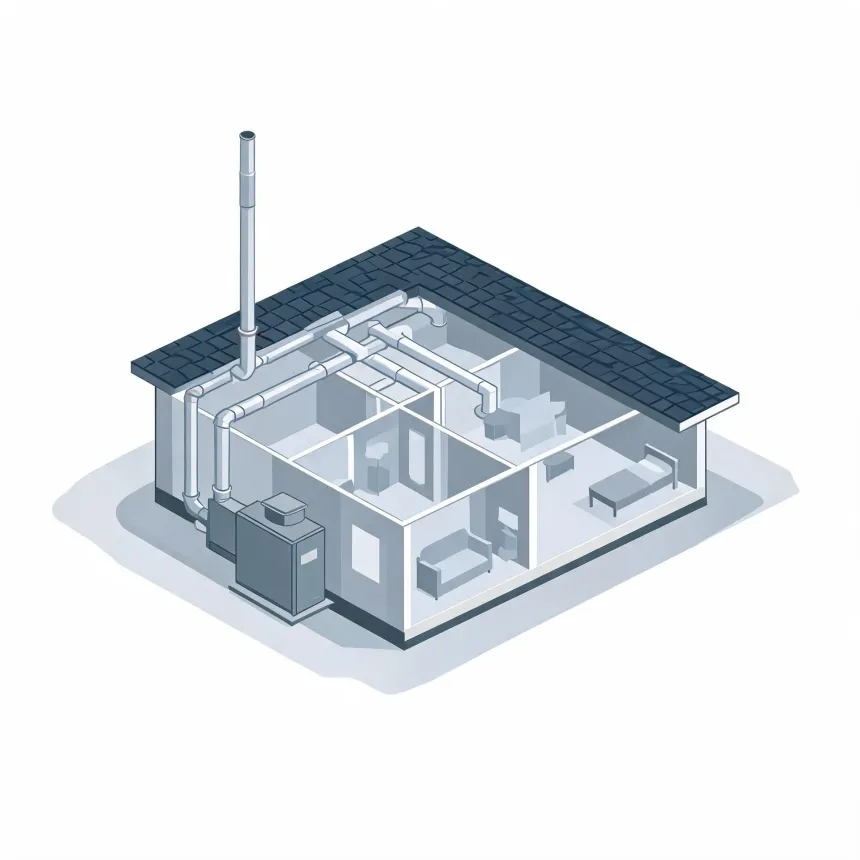
Montana licenses HVAC contractors through the Department of Labor and Industry, and that license covers the contractor rather than each individual job. Work under $2,500 does not need a licensed contractor, but installing a heating and cooling system runs well past that amount, so this job calls for a contractor who holds the state license.
Because Montana licenses for this kind of work, the license is the thing standing behind whoever does this installation. Most cities and counties in Montana also require a permit for a furnace or air conditioner installation, along with an inspection once the work is done. That permit and inspection come from the local building office, separate from the state license, and they cover whether the finished installation meets code.
Source: Montana Legislature
- When should I replace my HVAC system?
- Replace it when repairs start happening every year, or when the system can't keep up on the coldest nights. Here that matters more than most places, since homes need heat from August through June and winter lows average 16°F. A furnace that struggles to keep the house warm isn't going to improve on its own. Age matters too. If yours is old enough that parts are getting hard to find, a breakdown in the middle of a cold stretch is a bad time to start shopping.
- Should I replace my furnace and air conditioner at the same time?
- If both are original to the house and close in age, replacing them together usually makes sense, since a contractor is already on site and the ductwork only gets touched once. But in this area cooling barely factors in. Summer afternoons average 73°F, and homes here don't really need air conditioning at all. So the furnace is what matters. If your air conditioner is still working fine, there's no real reason tied to the climate here to replace it early just because the furnace is due.
- What happens during an HVAC installation?
- A contractor removes the old equipment, sets the new furnace or air conditioner in place, and connects it to the existing ductwork, gas line, and electrical. They check that the ducts are sized right for the new unit and that the venting meets code, since a system installed wrong can run poorly for years without ever throwing an obvious warning sign. Replacing a furnace or air conditioner needs a permit from the local building office, and the job gets inspected once it's done. Montana also requires the contractor doing the work to hold a state HVAC license. After installation, the contractor tests the system to make sure it's heating or cooling properly before they leave.