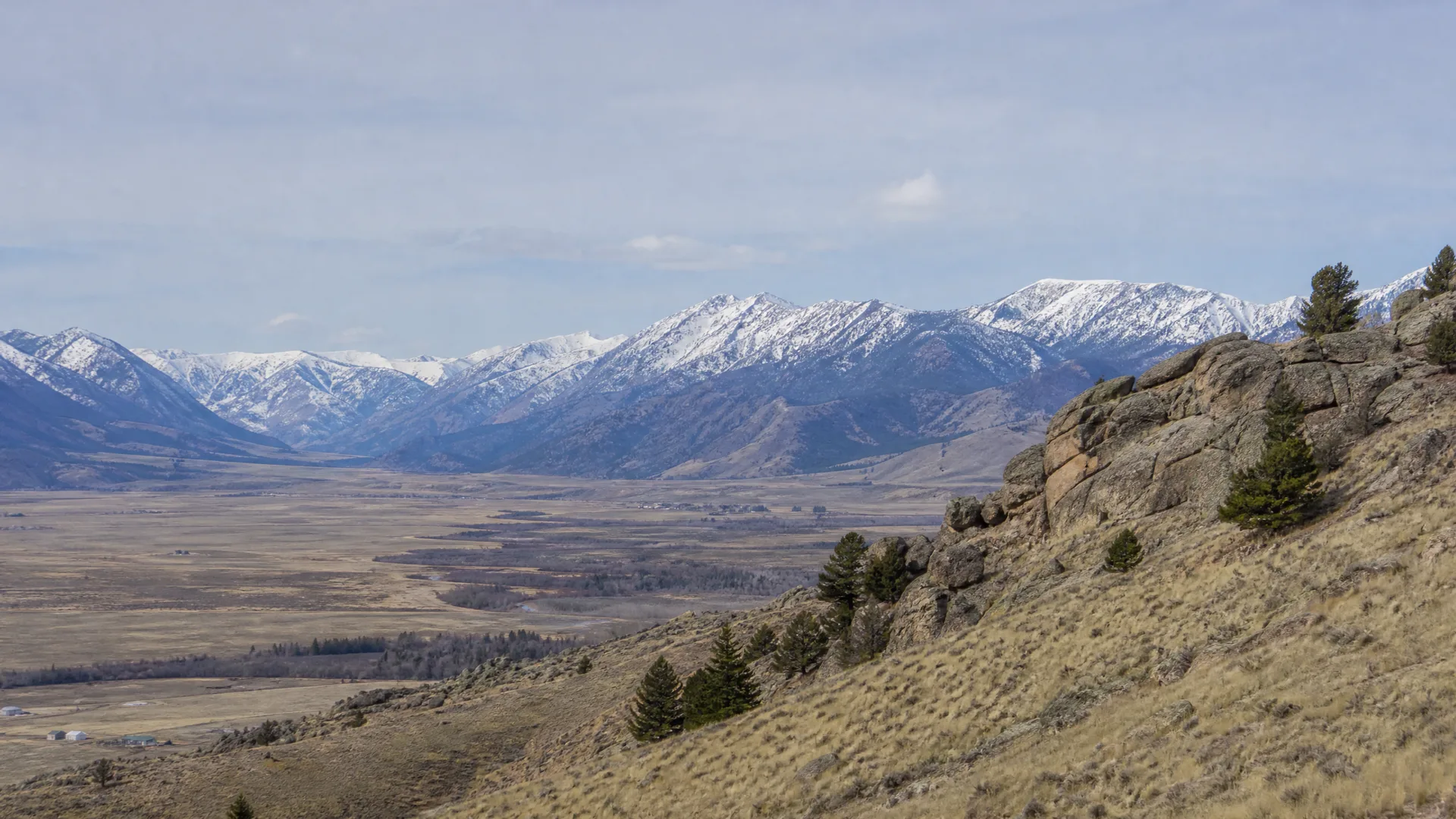
The vent clear and open
This is a vent doing its job. The hood sits flush against the siding, the louvers swing open when the dryer kicks on, and air moves straight out. Nothing gray crusted around the opening, nothing holding the flap shut.
Get matched with a Missoula County pro who cleans dryer vents.
Match me with a proA dryer that runs two or three cycles to get clothes dry almost always has a vent problem, not a broken dryer. Lint builds up inside the vent duct and on the lint screen, and that buildup blocks the airflow the dryer needs to push hot, wet air outside. Once airflow drops, the heating element or gas burner keeps running but the moisture has nowhere to go, so the same load cycles again and again. Dryers vented through long duct runs or ones with bends in them clog faster, since lint settles at every turn. If you've noticed the outside vent flap barely moves when the dryer runs, or the dryer feels hot to the touch, that's a blocked vent telling on itself. Left alone, it means longer dry times from here on, more wear on the heating element or burner, and a duct full of lint sitting right where your dryer vents to the outside.
2.23 people per household on average
With 2.23 people in the average Missoula County household, that's a load of laundry most days. Every load pushes more lint through the vent, so a blocked duct shows up fast.
Half the homes here were built by 1985
Half the homes in Missoula County went up by 1985. A vent that old has had decades to gather lint in bends and joints a newer run wouldn't have.
Power here costs 13.05 cents per kilowatt-hour
Power here runs 13.05 cents a kilowatt-hour. A dryer fighting a clogged vent runs longer to finish the same load, and that time adds up on the bill.
ACS 2020-2024 · EIA-861 2025

Air moves straight out through the duct with nothing slowing it down. A full load dries in one cycle. The lint screen catches most of the lint, the rest clears the duct and goes outside, and the dryer shuts off on schedule instead of running past it. You open the door to clothes that are actually dry, not damp at the seams or still warm from a second run.

Lint has built up along the inside of the duct until there's barely room for air to pass. The dryer heats the drum, but the wet air has nowhere to go, so it sits in the drum and gets pulled back through the clothes. One cycle isn't enough. You run it again, maybe a third time, and the clothes still come out warm and damp rather than dry, because the air was never moving.
You probably noticed it by feel first. The top of the dryer is hot, the laundry room feels warmer than it should, and towels come out of a full cycle still damp at the seams. You start a second cycle, sometimes a third, just to get a load of jeans or sheets actually dry. Check the outside vent hood while the dryer runs. If the flap barely moves or no air pushes out against your hand, the duct is restricting airflow somewhere between the dryer and the wall. Left alone, that trapped heat and moisture sit in the line after every load, and lint is combustible once it builds up near enough heat.

This is a vent doing its job. The hood sits flush against the siding, the louvers swing open when the dryer kicks on, and air moves straight out. Nothing gray crusted around the opening, nothing holding the flap shut.

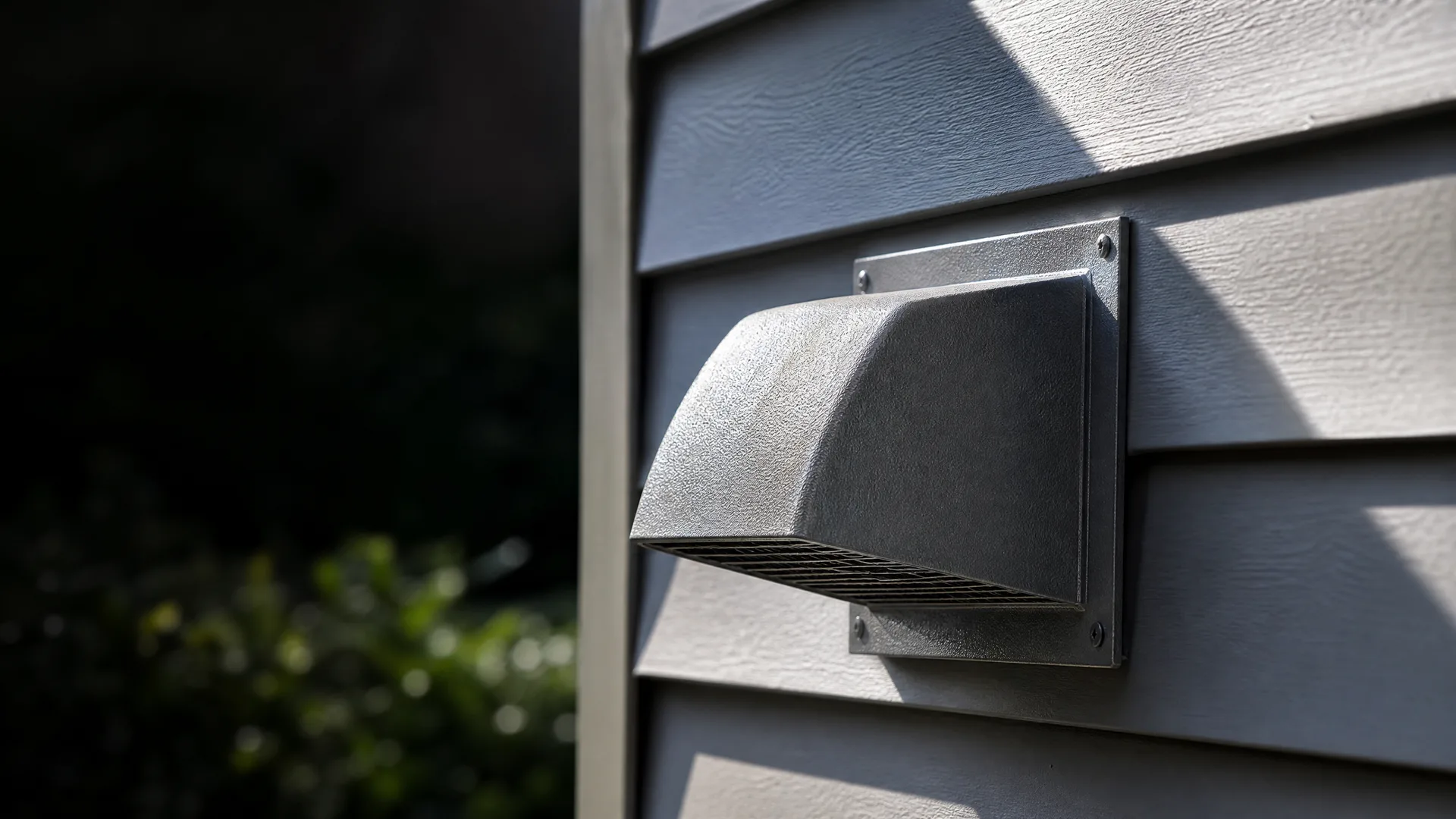
This is what stops a dryer cold. Lint has built up around the opening until the louvers can barely move, and some of what the duct couldn't push out has caked onto the cover itself. Air has nowhere to go but back into the dryer.




Skip searching for someone who cleans dryer vents in Missoula County.
Get matched with a pro who works on dryer vents in Missoula County.
There's no charge for the request.
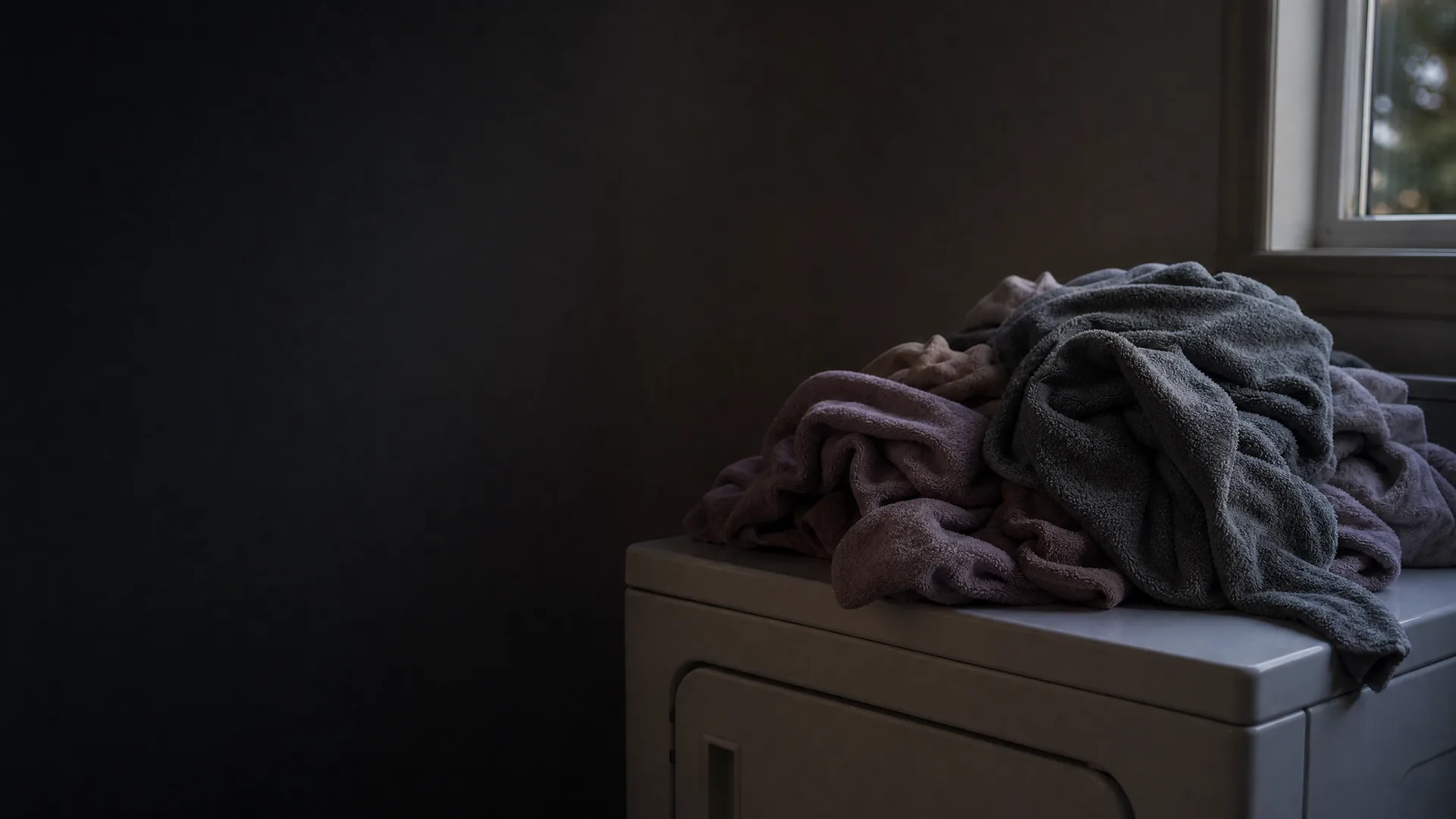
It's past seven and still light out, that long Missoula summer evening, but you're done being outside and you've got one more load to deal with. You open the dryer expecting warm, folded-ready towels and instead pull out a heap that's damp through the middle, heavier than it should be. You feel the top of the dryer, it's hot to the touch. You pile the towels back in, hit start again, and head back to the kitchen, telling yourself you'll check on them in another forty minutes. The laundry room door stays open behind you because the room's gotten warm enough that you want the air to move.


You've heard that lint buildup is the problem, but it's not obvious why a few feet of blocked duct would turn a 40-minute cycle into two or three. The dryer still gets hot. The drum still turns. It just doesn't finish the job, and you want to understand what the blockage is actually doing to stop that from happening.
A dryer doesn't just heat clothes, it pulls moisture out of them and pushes that moist air out through the vent duct. When lint packs the duct or the lint screen, that air has nowhere to go. It stays in the drum, the humidity inside climbs, and wet air can't absorb much more moisture from your clothes. The heating element keeps firing and the drum keeps turning, but the load just recirculates damp air instead of drying. That's why the dryer feels hot to the touch and still leaves clothes wet. It's working as designed. It just can't move the air it needs to move, so the moisture has nowhere to go but back onto the clothes.


At 2.23 people, most Missoula County houses are running a load of laundry nearly every day. That's daily lint moving into the duct, not occasionally. A vent carrying that much lint needs the path out clear, or the drying time climbs first and keeps climbing.
ACS 2020-2024
Hot, wet air leaves the drum and enters the vent duct.
Lint rides along with that air toward the outside wall.
Lint catches on duct seams, screws, or bends in the line.
The buildup narrows the duct so less air gets through.

Two cycles for one load, a hot dryer top, towels still damp in the middle. All of it traces back to the same thing: a vent duct that isn't letting air out the way it should. Not a broken dryer. Not a bad load. The fix is clearing that path, inside the duct and at the hood outside.
You don't have to figure out how bad the blockage is or what tools reach it. A contractor who services vents in Missoula County can look at your setup, your duct run, your hood, and tell you what's actually in the way. You get matched with someone who handles this, and they'll reach out. No pulling the dryer out yourself to guess at it, no calling around Missoula to find who does this work.

A pro who works on dryer vents