
The flap doing its job
The hood flap hangs loose and swings open when the dryer runs, then drops shut after. Air moves freely and nothing gets in to build a home while the vent sits idle between loads.
Get matched with a pro who works on dryer vents in Gallatin County.
Request a proA bird in your dryer vent usually means a nest, and it happens most in spring when birds around Bozeman are looking for a tight, warm, sheltered spot to raise their young. A dryer vent hood with a damaged or missing flap gives them exactly that. Once nesting material packs into the duct, it blocks the path your dryer needs to push hot, moist air outside. You'll likely notice clothes taking longer to dry, a burnt smell when the dryer runs, or the vent hood flap barely moving even on high heat. This is not just an inconvenience. A blocked vent traps heat inside the duct, and that is a known cause of dryer fires. It also means moist air has nowhere to go, which can leave lint damp and packed in tighter. Nesting material does not clear itself out, and pushing a load through the dryer anyway will not dislodge it. The duct needs to be opened and cleaned out, and the vent hood needs a working flap so it does not happen again next spring.
2.33 people per household on average
With 2.33 people in the average Bozeman household, the dryer is likely running loads several times a week, and every one of those loads pushes hot, damp air against whatever a bird has built in the vent.
Half the homes here were built by 1998
Half the homes around here were built in 1998 or earlier, so a lot of vent hoods are older models with flaps that have worn out, bent, or stopped closing all the way, which is exactly what lets birds in.
Power here costs 13.59 cents per kilowatt-hour
At 13.59 cents per kilowatt-hour, power here is cheap, but a blocked vent makes the dryer run longer to dry the same load, and that adds up on a bill that should otherwise be low.
ACS 2020-2024 · EIA-861 2025

A nest left in place keeps building on itself. Each load of laundry adds more lint to the mix, and the vent hood flap stays pinned shut by debris instead of opening and closing the way it should. Dryer time gets longer. The motor and heating element work harder to push air through a space that keeps shrinking. Lint is the fuel in a dryer fire, and a vent packed with nesting material and feathers gives it plenty to burn.

A contractor who works on vents through a Bozeman spring has pulled nests out before and knows where birds tend to build, usually right at the hood where it's warm and sheltered. Clearing the vent means removing the nest, checking the flap still moves freely, and making sure air runs the full length of the duct again. Drying time goes back to normal, and the vent is no longer holding a few pounds of built-up material against your dryer's exhaust.
You might notice a load that used to finish in one cycle now needs two. The dryer feels hotter to the touch than usual, or the laundry room picks up a warm, burnt smell partway through a cycle. Sometimes there's a faint scratching or chirping sound from the vent line when the dryer first kicks on, especially in spring. You may also spot bits of straw or grass near the outside vent hood, or notice the flap doesn't close all the way anymore. Left alone, the blocked airflow makes the dryer work harder than it should, and the heat that can't escape through the vent has nowhere to go but back into the machine.

The hood flap hangs loose and swings open when the dryer runs, then drops shut after. Air moves freely and nothing gets in to build a home while the vent sits idle between loads.

Dirt and lint have collected around the opening, enough to keep the flap from seating flush. A gap like that stays open all the time, inviting a bird looking for a sheltered spot.
How do I know if it's actually a bird nest in there
A lint clog muffles airflow and slows drying, but it doesn't make noise on its own. A nest does. Run the dryer and listen at the vent hood outside. Scratching, chirping, or soft rustling behind the wall means there are birds in there, often chicks waiting on a parent to come back with food. Look at the hood itself too. Twigs or grass poking out around the edges, or a flap that hangs open instead of snapping shut, both point to a nest rather than lint. If you see a bird going in and out of the same spot more than once, that's not a bird passing through. That's a bird that's decided your vent is home.




A nest in the vent isn't something to clear out with a coat hanger and call done. The nest, the lint packed around it, and the droppings all have to come out, and the flap needs to be checked so it actually seals again once the vent is clear. A chimney sweep or a handyman might pull out what they can reach and miss the rest. What you want is someone local who deals with Bozeman dryer vents every spring, knows how far back a nest usually sits and what a vent looks like once birds have been in it a few weeks. Answer a few questions about your vent and your dryer, and that request goes to one contractor local to Gallatin County who takes it from there. You're not left waiting on a callback from whoever answers first, and you're not fielding calls from five companies at once while laundry piles up and the dryer keeps running hotter than it should.
A dryer vent isn't a straight shot to the outside wall. It runs from the dryer through the wall, often turns at least once, and ends at a hood with a flap meant to keep weather and wildlife out. Birds don't nest just anywhere in that run. They build right behind the hood, in the first few inches, because that spot stays sheltered and holds warmth from past cycles. That's also exactly where the flap needs room to swing, so a nest there blocks airflow and the flap at the same time.
Clearing it means working from both ends of the vent, not just the outside. Pushing material in from the hood can shove the nest further down the duct instead of removing it, which leaves the blockage in place and makes it harder to reach next time. A thorough job pulls the nest, the lint packed in around it, and any droppings out of the full run, then checks the ductwork for crushed or disconnected sections a nest can hide. Lint isn't just the reason drying takes longer. It's the material that catches fire fastest in a dryer vent, and a nest built from dry grass and feathers sitting next to it adds to that risk. Once the vent is clear, the flap gets tested with the dryer running, because a flap that sticks or drags will let the same problem start over.




At 2.33 people, most Bozeman households aren't running the dryer nonstop, but a few loads a week is enough to keep pushing air against a blocked vent. Even a smaller household gets a shorter, hotter dryer life out of a nest left in place.
ACS 2020-2024
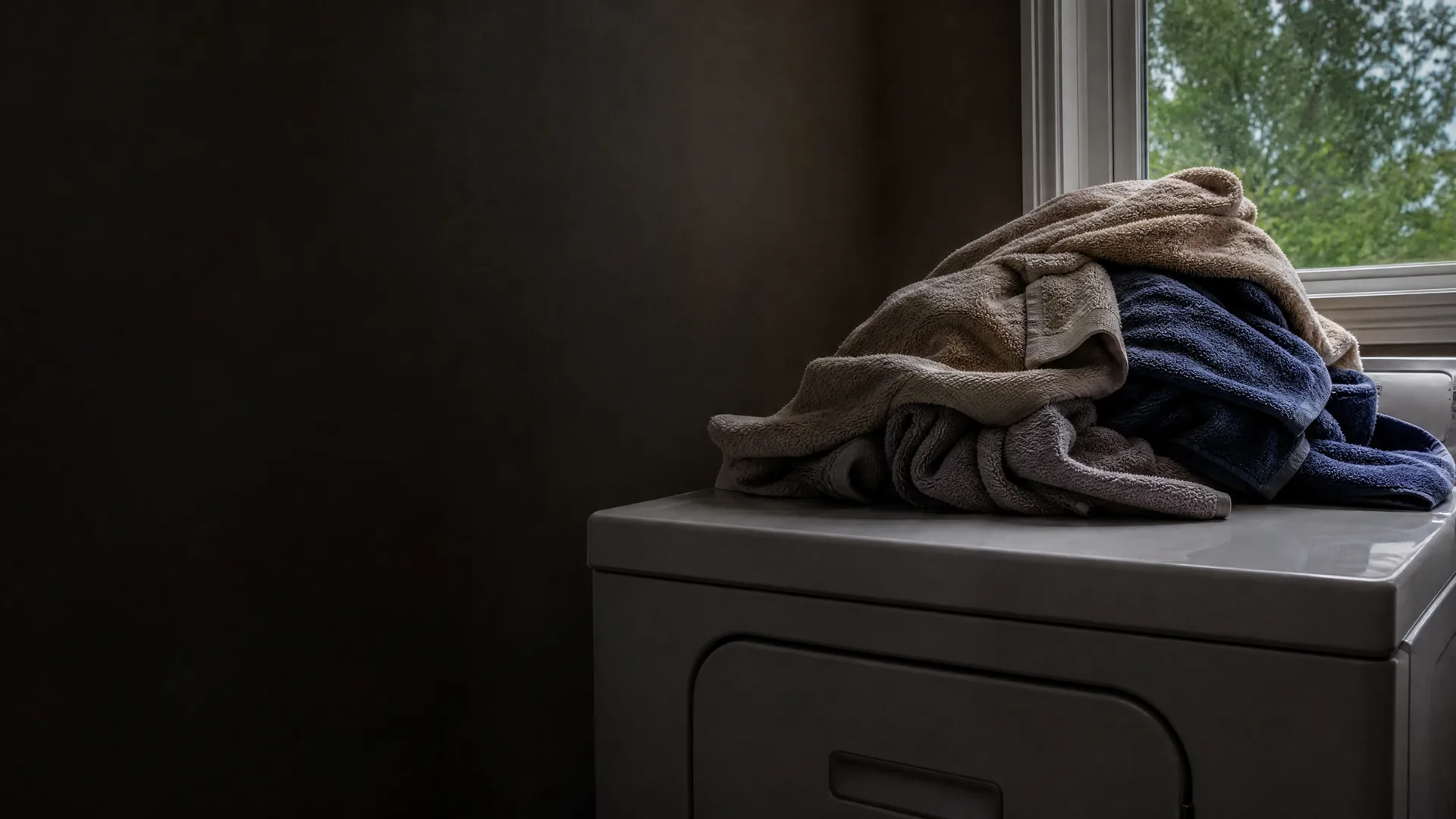
It's almost eight on a Tuesday and you're still in your work clothes, standing over a dryer that's been running since before dinner. The towels on top are the second load, pulled out damp and shoved aside so you could start a third. The room smells faintly hot, almost scorched, and the dryer's warm along its whole side, warmer than it should be. Outside the window it's still light, that long Montana evening stretching on, and somewhere past the vent hood a bird's been going in and out of the siding all week. You press a towel to your cheek. Still damp. You start the cycle again.

A bird in your dryer vent means a nest, built fast and tight against the hood flap, and it stays a problem until the nest, the lint, and the droppings are all out and the flap swings free again. That's not a shop-vac job from the inside. It takes someone working from the outside wall in, who knows where birds build in a vent run and what a flap needs to seal once the duct is clear.
Gallatin County has contractors who clean vents like this every spring, the same months birds are looking for a spot like yours. Answer a few questions about your home and you'll be matched with one of them, a local outfit licensed for this work, and they'll reach out to you directly. Just the one contractor, so you're dealing with a single call back, not a string of them.


Find a dryer vent cleaning pro in Gallatin County