
Dryer Vent Cleaning in Miles City, MT
Tell us about your home, and a licensed contractor who covers Custer County will get in touch.
Tell us about the job
It takes about a minute.
Step 1 of 3: Equipment

Cold air turns lint into a wall inside the vent
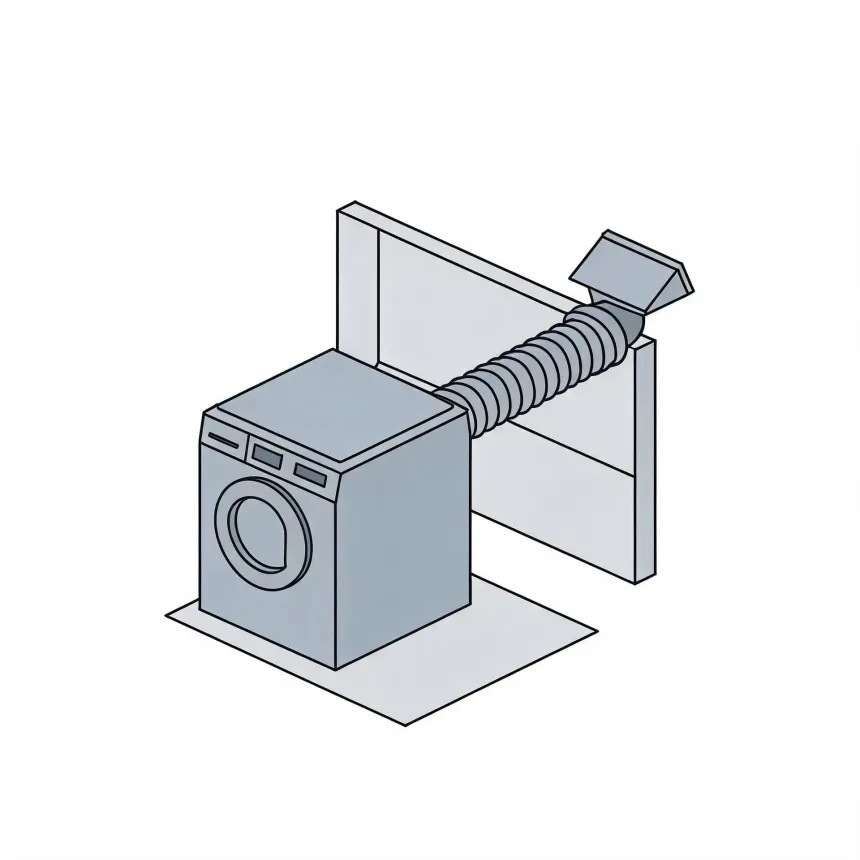
Your dryer pushes warm, damp air out through the vent. Once that air hits the cold duct run, and this time of year the duct is cold most of the day, it cools fast. The moisture drops out of it, and the lint riding along in the air sticks to the damp walls instead of blowing outside.
That buildup narrows the vent a little at a time. Air backs up, the dryer takes longer to dry a load, and the exhaust that should be leaving the house starts finding its way back in.
- 11°F
- the average winter night, and cold vents catch damp lint
- 9 months
- September through May, the vent stays cold
Jan
Feb
Mar
Apr
May
Jun
Jul
Aug
Sep
Oct
Nov
Dec
NOAA nClimDiv, 1991–2020 normals
- How often should a dryer vent be cleaned?
- Once a year is the standard rule, more often if you dry a lot of loads or your run is long. A once-a-year cleaning keeps lint from building up in the duct where you can't see it. Some homes need it more, especially if the vent run is long or has a lot of bends. If drying times have crept up since last year, that's a sign to move the cleaning up rather than wait.
- Can I clean my dryer vent myself?
- You can clean the part you can reach, but that's usually not the whole job. A brush and vacuum at the wall port will pull out surface lint, and that's worth doing. The lint that causes real problems tends to sit further down the duct, around bends and at the outside vent hood, past where a homeowner kit reaches. A contractor with the right length of rod and brush can clear the full run.
- What are the signs of a clogged dryer vent?
- Clothes taking longer to dry than they used to is the first sign most people notice. Others are the dryer running hotter than normal, the outside of the machine feeling hot to the touch, a burnt smell during a cycle, or little lint showing up around the outside vent hood when the dryer runs. If you see any of these, it's worth having the vent checked before running more loads.