
HVAC Installation in Sidney, MT
A new system here will heat from September through May and cool from July through August every year. Tell us about the house, and a licensed contractor who covers Richland County will get in touch.
Tell us about the job
It takes about a minute.
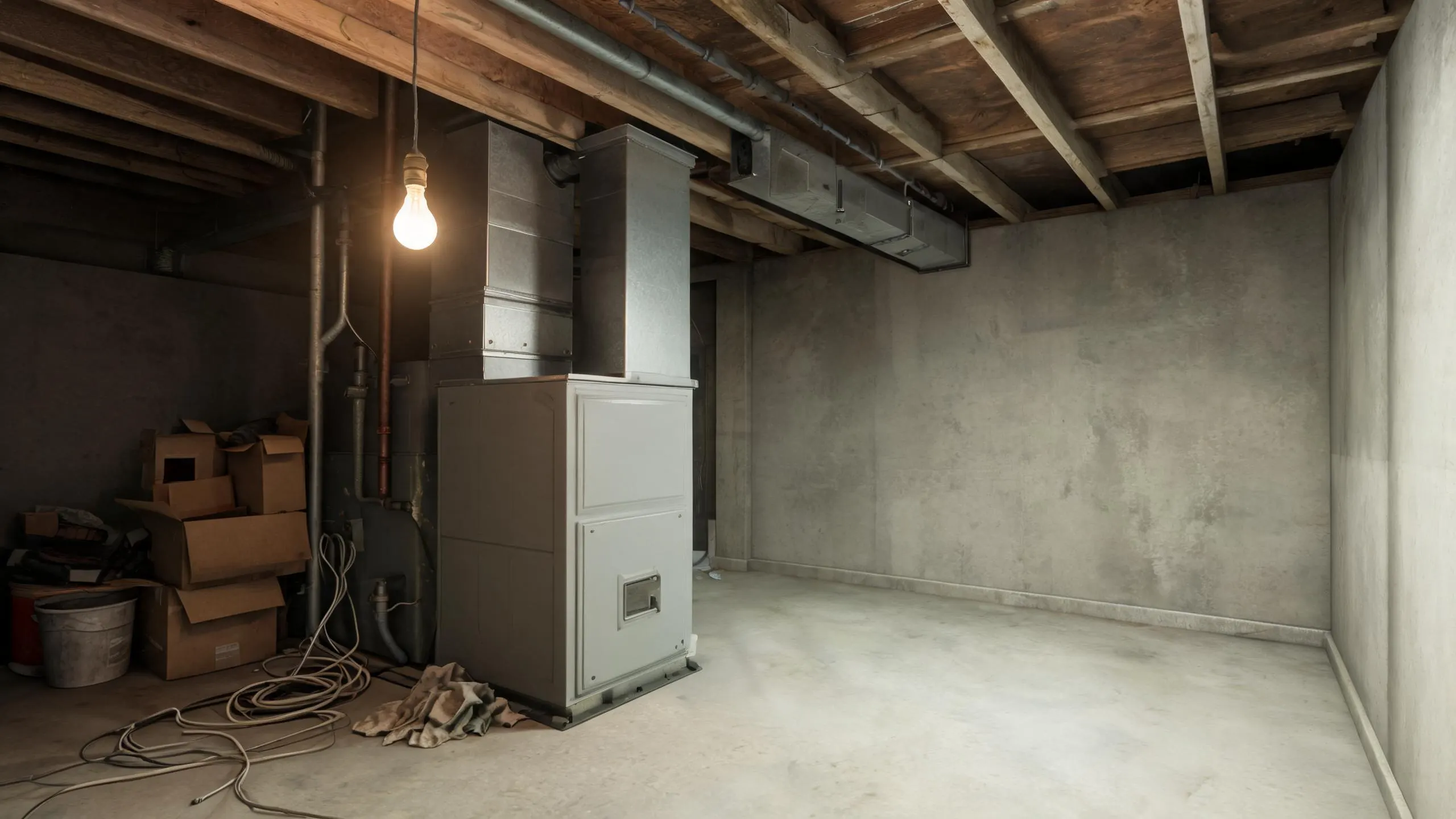
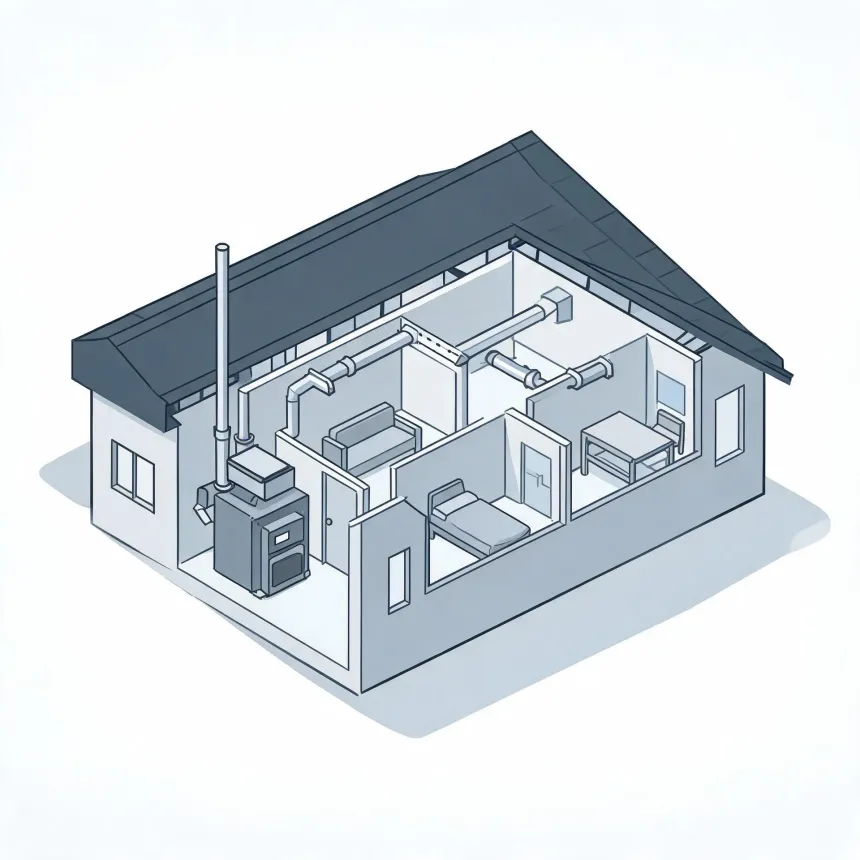
A new system here works nine months a year for heat and two for cooling
Winter nights in Richland County average 6°F from December through February. A furnace or heat pump sized for this has to hold a house warm against real cold, not just take the edge off, and it has to do it from September through May. Summer only asks for two months of cooling, but those afternoons average 82°F, so the system still needs to handle both jobs well.
More than half the homes here heat with gas, and whatever you install has to meet the federal minimum efficiency for its type. Power outages are worth planning around too. Montana saw 18% of households lose power for 24 hours or more in 2024, and the last ten years brought 18 winter storms and 91 damaging wind events to the area. A new install is a chance to think through how your heat holds up when the power doesn't.
- 9 months
- September through May, your system heats
- 2 months
- July through August, it cools
- 6°F
- the average winter night it heats against
- 82°F
- the average summer afternoon it cools against
NOAA nClimDiv, 1991–2020 normals
Montana requires HVAC contractors to hold a state license.
Montana tests contractors through the Department of Labor and Industry before it lets them hold this license, and it keeps a record of who holds one. That license belongs to the contractor, not to any one job, so it stays in place from one installation to the next. Work under $2,500 falls outside that requirement, but a full heating and cooling installation runs well past that mark.
With the state's license covering the contractor, the local building office covers the job itself. Most cities and counties in Montana require a permit for a furnace, air conditioner or heat pump installation, and an inspector checks the finished work before it is signed off. That inspection is where a bad gas connection or a wiring mistake gets caught, separate from anything the state license speaks to.
Source: Montana Legislature
- When should I replace my HVAC system?
- Replace it when repairs start costing more than they're worth, or when the system can't keep up anymore on the coldest nights. Watch for a furnace that runs long stretches without shutting off, an air conditioner that's low on refrigerant, or a unit that needs a new part every year. With heat needed here from September through May, a furnace that struggles on a Sidney winter night is worth replacing before it fails outright. A contractor can look at the age and condition of your system and tell you whether it's worth fixing again or time to replace it.
- Should I replace my furnace and air conditioner at the same time?
- If both are old, yes, that's usually the better time to do it. A furnace and air conditioner installed together are matched to work with each other, and a contractor only has to open up your ductwork and electrical once instead of twice. That said, if your air conditioner is only a few years old and the furnace just failed, there's no reason to replace a unit that's still working fine. A contractor can look at the age and condition of both and tell you what makes sense for your house.
- What happens during an HVAC installation?
- A contractor removes the old furnace and air conditioner, or heat pump, and sets the new equipment in its place, connecting it to your ductwork, gas line or electrical, and the refrigerant lines if it's a cooling system. They check the ducts for leaks or sizing problems, since a new system connected to bad ductwork won't perform right no matter how good the equipment is. Once it's running, they test it, set the thermostat, and walk through anything you need to know about it. Replacing a furnace or air conditioner needs a permit from the local building office and an inspection when the work is done, and a licensed contractor handles the job. A contractor will price the work for your house once they see what's involved.