
Furnace Repair in Cut Bank, MT
If your furnace quits, tell us what it's doing and a licensed contractor who covers Glacier County will get in touch.
Tell us about the job
It takes about a minute.
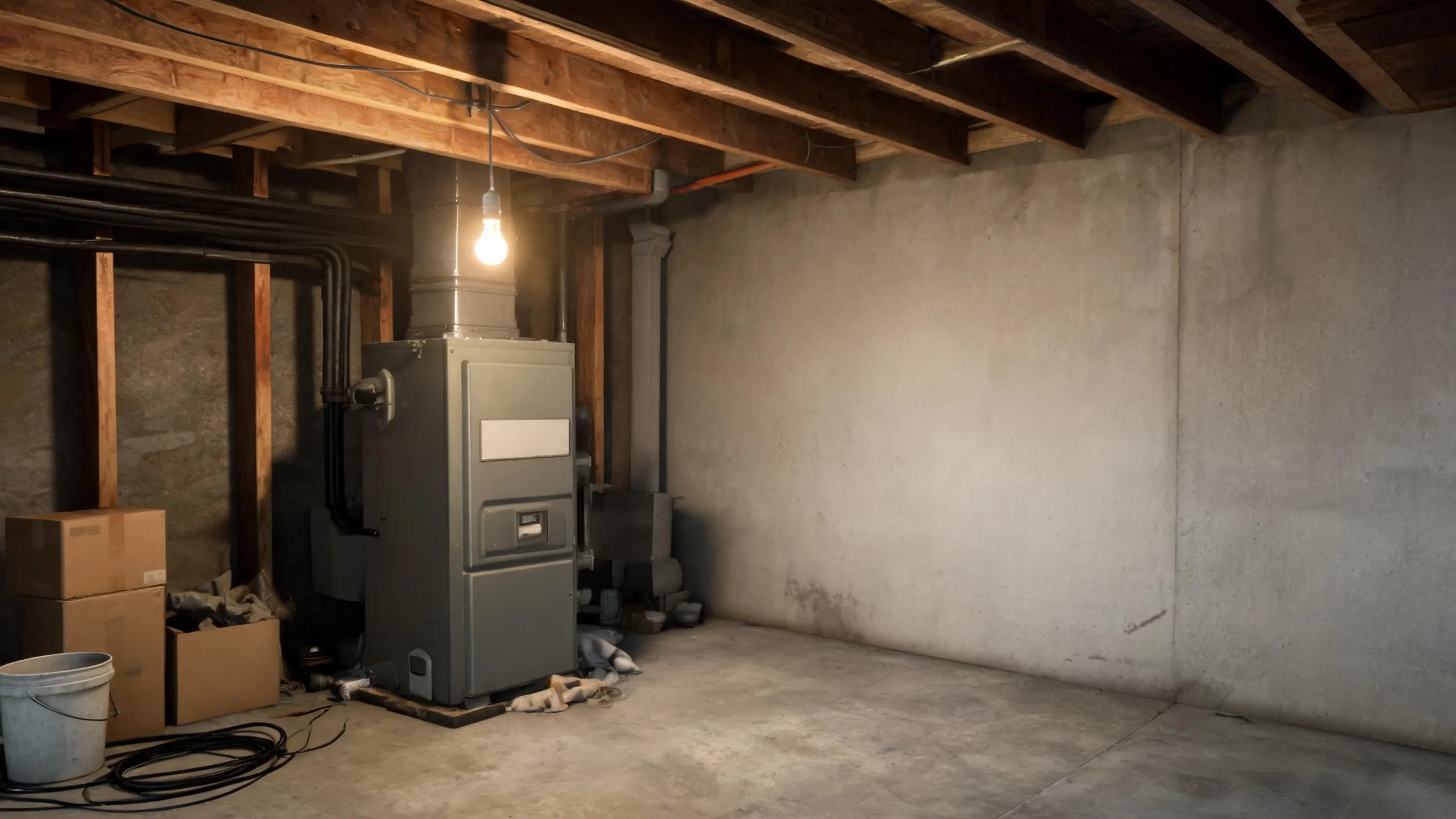
Your furnace never gets a season off
In Cut Bank the furnace runs all 12 months, not just through the winter. On nights that average 14°F from December through February, it has to answer that cold over and over, and every cycle puts wear on the igniter and the blower motor.
The storms here add to that load. Glacier County has seen 30 winter storms and 200 damaging wind events over the past ten years, and wind like that can push cold air back through the flue or snuff out a pilot light. Power matters too. In 2024, 18% of Montana households went at least 24 hours without power, and a furnace needs electricity to run its blower and controls. If your furnace won't restart, is short cycling, or is blowing cold air, that is where to look first.
- 14°F
- the average winter night it heats against
- 30 winter storms
- in ten years, the nights a failure hurts most
NOAA nClimDiv, 1991–2020 normals

A new furnace would cut about $100 a year off heating for a typical Glacier County home.
Estimates for a typical Glacier County home, compared with an older unit built to the previous federal minimum, from EIA household energy data, Montana fuel prices and NOAA climate normals. Your home will differ.
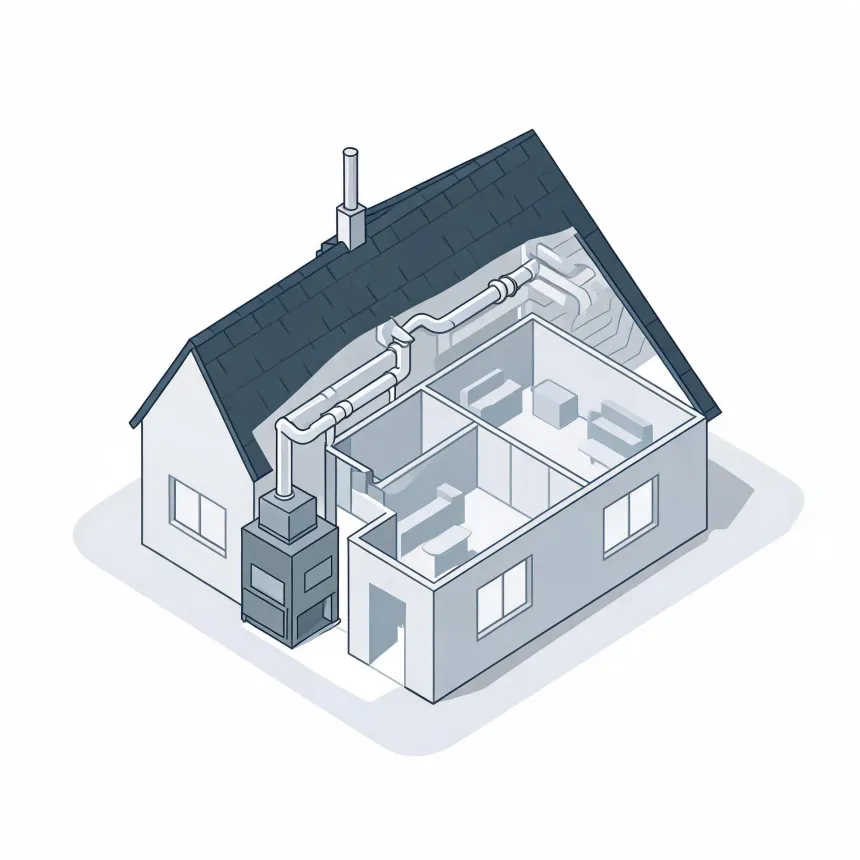
Repair makes sense when one part has failed and the heat exchanger is sound.
Replacement makes sense when the heat exchanger is cracked or the furnace keeps needing parts.
Montana requires HVAC contractors to hold a state license.
Montana licenses HVAC contractors through the Department of Labor and Industry. The license belongs to the contractor, not to the job, so it travels with them from house to house. Work under $2,500 does not need a licensed contractor, so a small repair can fall under that line on its own.
A furnace repair above that line needs a licensed contractor, and the license is what stands behind the work. Gas is the part that makes this matter, since a bad connection is what turns a repair into a hazard. In Glacier County, 42.9% of homes heat with gas.
Source: Montana Legislature
- Why won't my furnace turn on?
- Most of the time it comes down to the thermostat, the power supply, or the igniter. Check that the thermostat is set to heat and the temperature is above room temperature, and check the breaker for the furnace. If those are fine, the igniter may have failed, which a furnace won't start without. At 14°F on a winter night here, this is worth calling in fast rather than waiting it out.
- Why is my furnace blowing cold air?
- Usually the furnace is running but not firing, so the blower is just moving unheated air. This can happen if the pilot light or igniter has gone out, if the gas supply is interrupted, or if the thermostat fan setting is stuck on instead of auto. A dirty filter can also block enough airflow to trip the furnace's safety switch and shut off the burner while the fan keeps running. A contractor can check which of these it is and get the burner firing again.
- Why won't my furnace pilot light stay lit?
- The most common cause is a worn thermocouple, the part that senses the pilot flame and keeps gas flowing to it. When it wears out, it shuts the gas off even though the pilot is lit, so the flame goes out again. A draft near the pilot or a dirty pilot orifice can also cause this. A contractor can test the thermocouple and replace it if it is the problem.