
Furnace Installation in Hardin, MT
A new furnace here will run from September through June every year. Tell us about the house, and a licensed contractor who covers Big Horn County will get in touch.
Tell us about the job
It takes about a minute.
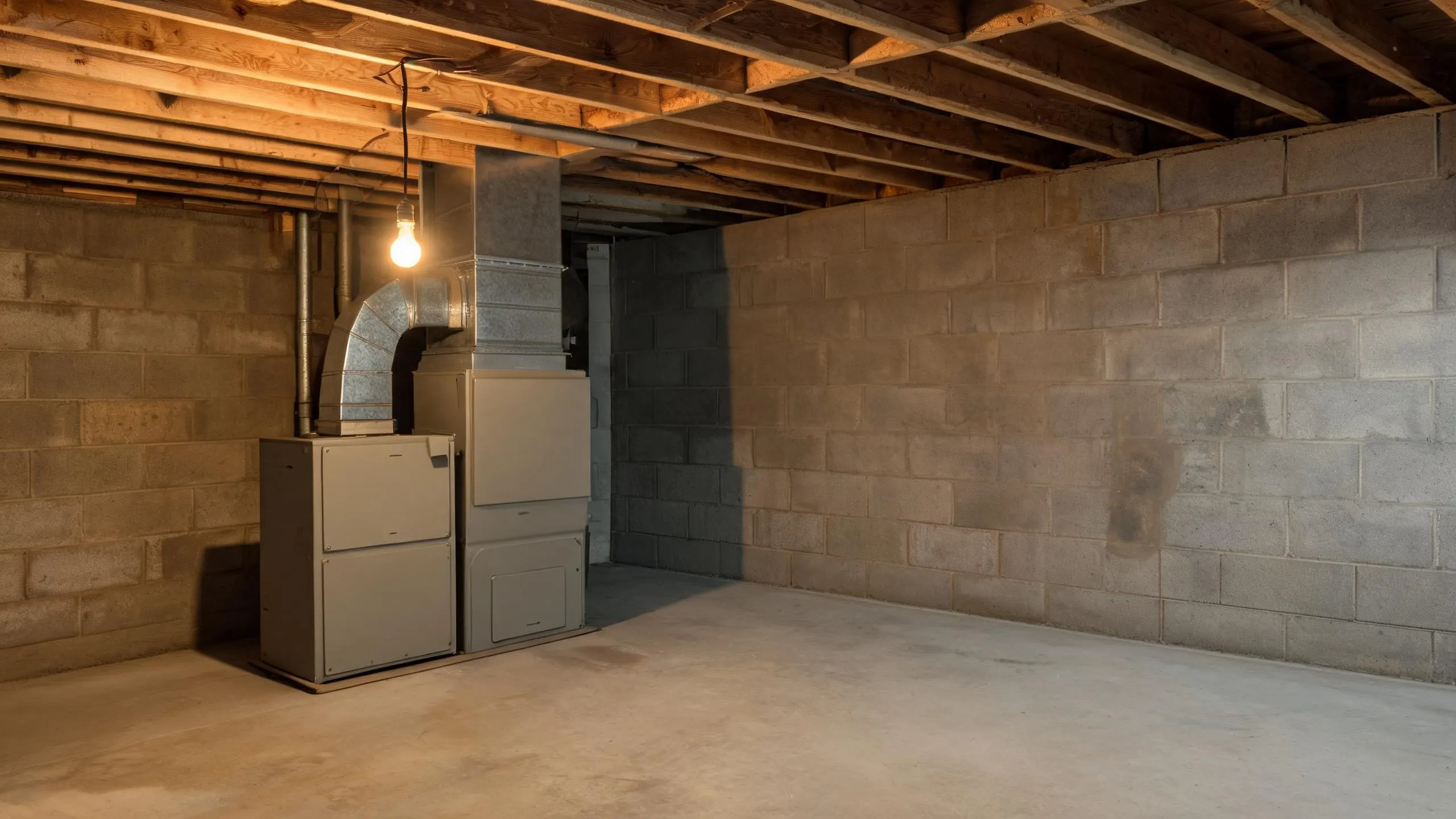
A furnace in Hardin works nearly all year
Homes here need heat ten months a year, September through June. Winter nights average 14°F, cold enough that a furnace runs long stretches without a break. A new furnace going into that kind of duty needs to be sized and installed right from the start.
Any new non-weatherized gas furnace has to reach at least 80 percent AFUE by federal rule. Big Horn County has logged 84 winter storms and 91 damaging wind events over the past ten years, and statewide, 18% of households went at least 24 hours without power in 2024. Worth asking how the furnace you choose starts back up once power returns.
- 10 months
- September through June, your furnace is on duty
- 14°F
- the average winter night it heats against
- 80% AFUE
- the federal minimum any new unit must meet
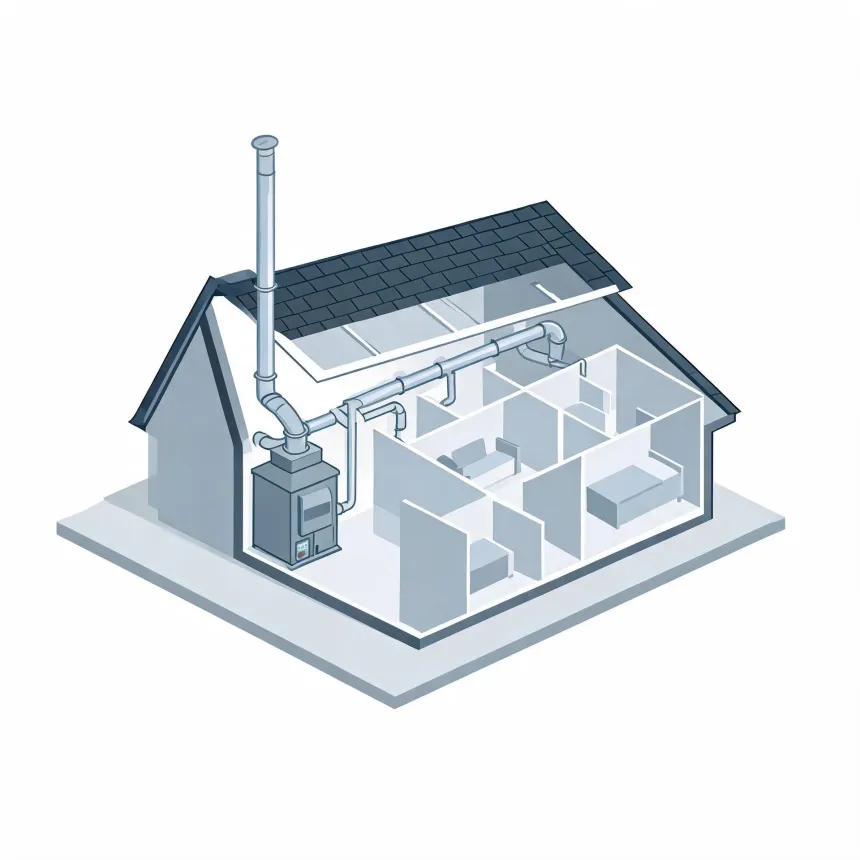
NOAA nClimDiv, 1991–2020 normals

A high-efficiency gas furnace would save about $70 a year to run in Big Horn County compared with a gas furnace.
Estimates for a typical Big Horn County home, from EIA household energy data, Montana fuel prices and NOAA climate normals. Your home will differ.
Montana requires HVAC contractors to hold a state license.
That state license is tied to the contractor, not to any single job. It stays on file with the Department of Labor and Industry no matter how many furnaces that contractor installs. Montana does carve out an exception for small jobs. Work under $2,500 does not need a licensed contractor, but a furnace installation almost always runs past that number, so this is not the job that exception was written for.
Because this is a licensed install, the license is what stands behind the work. In most cities and counties, a furnace replacement also needs a permit from the local building office, with an inspection once the furnace is in. Gas is the part of this job that can't be undone by a callback, and that inspection is where the connection gets checked rather than left to trust.
Source: Montana Legislature
- What size furnace does my house need?
- That takes a load calculation, not a square footage chart. A contractor measures your walls, windows, insulation and ceiling height and runs a Manual J calculation to find the right size. Too big and the furnace short cycles, wearing out parts faster. Too small and it can't keep up when your nights are averaging 14°F. With heat needed here from September through June, getting this number right matters more than in places with a short winter.
- How do I know it's time to replace my furnace?
- Watch for repairs that keep coming back, uneven heat between rooms, and a furnace that struggles to hold a steady temperature through the winter here. A cracked heat exchanger is a reason to stop repairing and start planning a replacement, not a reason to patch it again. If your gas or electric bills have crept up with no other explanation, the furnace is likely losing efficiency even if it still runs. A contractor can check the heat exchanger and combustion for you, since those problems aren't always obvious from the thermostat.
- Is a high-efficiency furnace worth it?
- It depends on how many months your furnace runs, and here that's ten, from September through June. Furnaces made since November 2015 are already required to hit at least 80 percent AFUE, so the real question is whether to go higher than that baseline. A high-efficiency model burns less gas per hour of runtime, and with this many heating months that difference adds up more than it would somewhere with a short winter. A contractor can walk through the options for your specific furnace and venting setup.