
Furnace Installation in Dillon, MT
Tell us about the house, and a licensed contractor who covers Beaverhead County will get in touch.
Tell us about the job
It takes about a minute.
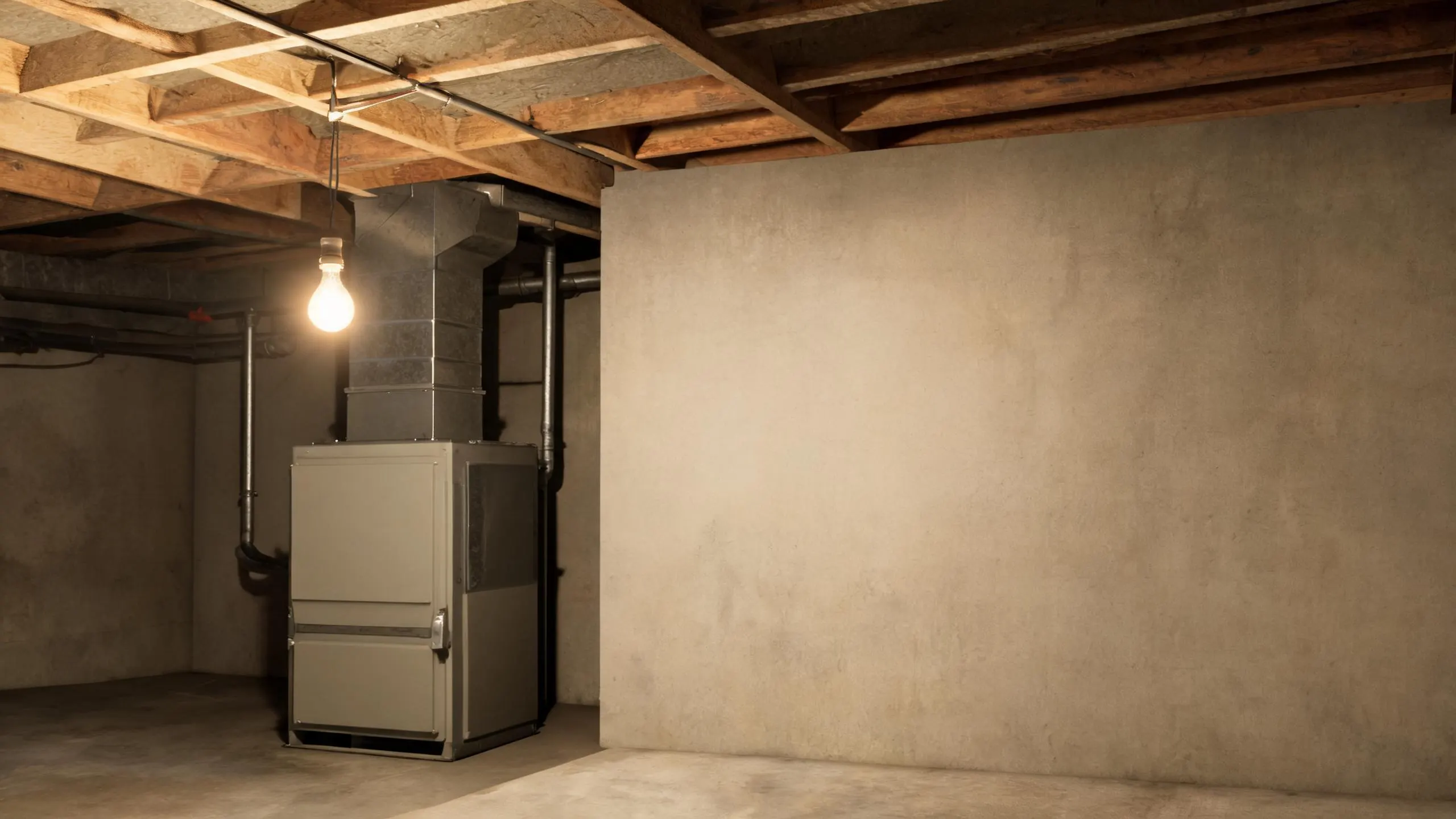
Dillon asks a furnace to run all year
Winter nights here average 12°F from December through February, and homes in Beaverhead County need heat 12 months of the year. That is not a break in summer and a push in winter. It is a furnace that cycles on in every season, in a place where the cold nights are real cold.
A new furnace installed here has to be sized for those 12°F nights, not for a mild average. If it is manufactured now, federal rules already set the floor at 80 percent AFUE, so that much is settled. What is left to get right is matching the unit to this county's winters and having it installed so it starts reliably on the nights that matter most.
- 12°F
- the average winter night it heats against
- 80% AFUE
- the federal minimum any new unit must meet
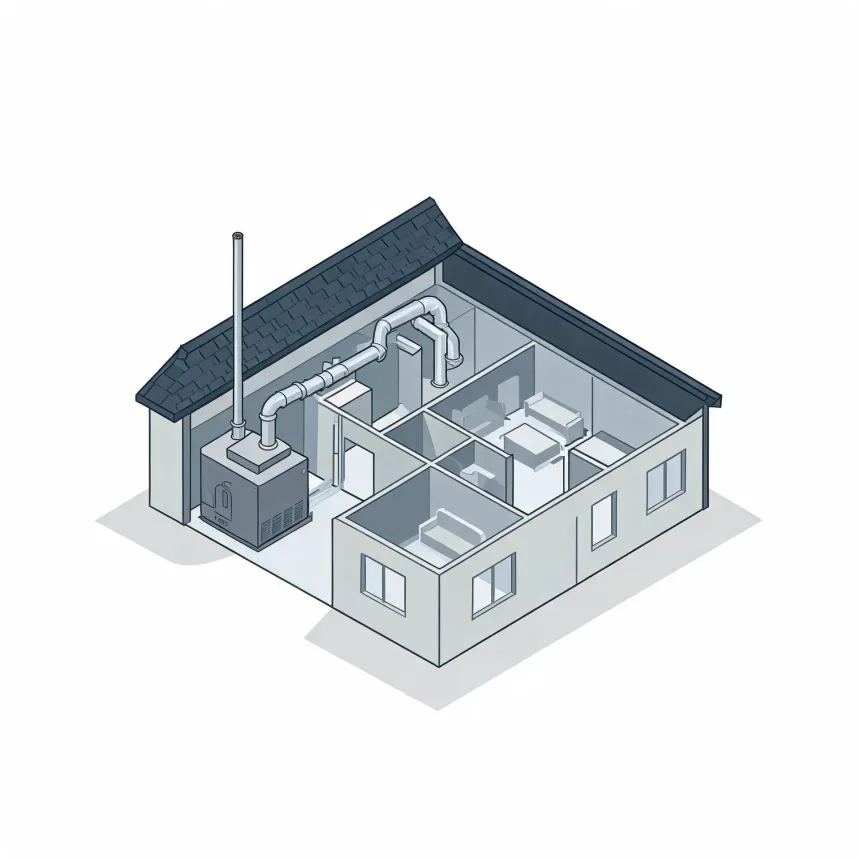
NOAA nClimDiv, 1991–2020 normals
Montana requires HVAC contractors to hold a state license.
Montana licenses HVAC contractors through the Department of Labor and Industry, and the license belongs to the contractor, not to this one job. Work under $2,500 falls outside that requirement, but a furnace installation runs well past that figure, so the contractor doing this job is expected to hold the license.
Most cities and counties also require a permit from the local building office for a furnace installation, with an inspection once the work is done. That inspection is a separate check on this particular installation, apart from whatever the license already tells you about the contractor. The license covers who is doing the work. The permit and inspection cover what got done, in this county, on this job.
Source: Montana Legislature
- What size furnace does my house need?
- There is no way to answer that from a general rule. The right size comes from a load calculation, which weighs your square footage against your insulation, your windows, your ceiling height, and how much cold air gets in around doors and framing. Two houses the same size can need different sized furnaces. Since Dillon winters push down to 12°F on average and homes here run their heat all year, a furnace that is undersized will run constantly and still fall short. A contractor can walk the house and work out the number that fits it.
- How do I know it's time to replace my furnace?
- Watch for a furnace that cycles on and off more than it used to, rooms that stay cold no matter how high you set the thermostat, or a gas bill that keeps climbing even though nothing else changed. Repairs that come back every winter are also a sign the furnace is wearing out rather than just having a bad week. Age matters too. A furnace installed before 2015 may not meet the 80 percent AFUE minimum that newer units are required to hit, so it is burning more gas to make the same heat. With heat needed here every month of the year, a furnace on its way out is not something to wait on.
- Is a high-efficiency furnace worth it?
- It depends on how much your household leans on heat and how long you plan to stay in the house, so a contractor pricing your specific situation can tell you more than a general answer can. What is true everywhere is that a high-efficiency furnace burns less gas to produce the same heat, and in a place where furnaces run 12 months a year, that difference adds up over more hours than it would somewhere with a short heating season. Every new gas furnace sold now has to meet at least 80 percent AFUE by law, so the real choice is how far above that minimum you want to go.